
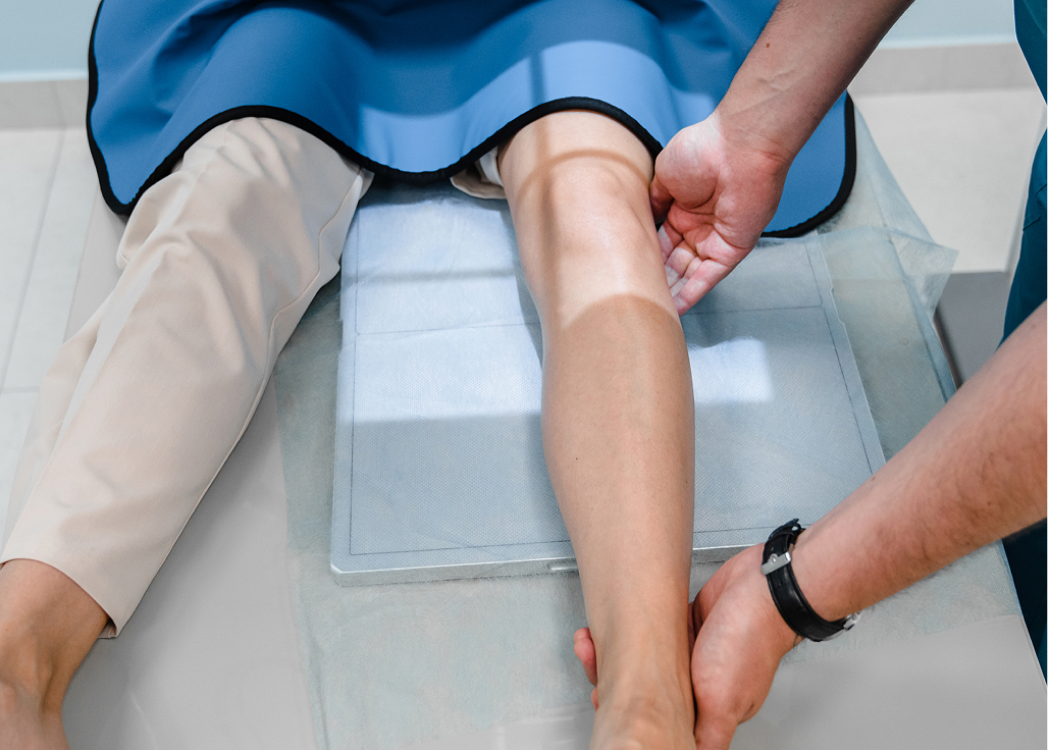
Unlike traditional surgery that forces every knee into a straight line (mechanical alignment), Personalised (Kinematic) Alignment positions the implant to match your specific, pre-arthritic anatomy.
If you are in your 50s or 60s and experiencing chronic knee pain, you may wonder whether you are too young for knee replacement. Many patients approaching this decision have tried physiotherapy, medications, weight management, and injections without lasting relief.
You likely worry whether your new knee will feel “natural,” whether recovery will be manageable, and whether there might still be alternatives to surgery.
Now, a fundamental shift is transforming knee surgery for those who do need intervention. Personalised alignment techniques, particularly kinematic alignment, respect your individual anatomy rather than forcing it into a standardised template. As a fellowship-trained knee subspecialist, I have witnessed how this approach delivers superior patient satisfaction, particularly for those who prioritise natural knee movement.
This article explores what personalised knee surgery means, how kinematic alignment differs from traditional approaches, and whether this cutting-edge technique might suit your circumstances.
Before discussing advanced surgical techniques, it is important to establish when knee replacement becomes appropriate. This aligns with my conservative-first philosophy: surgery is never the first option.
For patients experiencing knee pain from osteoarthritis, I recommend exploring comprehensive conservative management:
Many patients achieve acceptable function with these approaches and delay or avoid surgery entirely.
Knee replacement becomes appropriate when:
This is a shared decision based on your individual circumstances, pain tolerance, activity goals, and quality-of-life priorities.
For over 40 years, knee replacement surgery utilised mechanical alignment. A technique aiming to create the same straight leg alignment for every patient. Surgeons positioned implants to achieve a neutral axis from hip to ankle, essentially drawing a straight line through your leg regardless of your natural knee geometry.
This approach worked well for many patients and has decades of successful results. However, it overlooks a fundamental reality: not everyone’s knees naturally align in a perfectly straight line. Some people’s knees naturally function at slightly different angles. Hence, forcing them into standardised positioning may compromise how the knee moves and feels.
Kinematic alignment represents a paradigm shift. Rather than applying a one-size-fits-all template, this technique analyses your individual knee anatomy and creates a surgical plan specifically for you.
Using advanced imaging that are typically high-resolution MRI and X-rays, we map your knee’s natural geometry before surgery. Sophisticated computer analysis determines how your knee moved before arthritis damage occurred, identifying your unique alignment patterns.
The Tailored Suit Analogy:
Think of it like tailoring a suit. Mechanical alignment creates the same suit pattern for everyone. It fits adequately for most, but doesn’t account for individual differences. Kinematic alignment takes your exact measurements and creates something specifically designed for your proportions.
When we describe knee surgery as “personalised,” we mean:
| Aspect | Mechanical Alignment | Kinematic Alignment |
| Approach | Standardised | Personalised |
| Patient Variation | Ignored (aims for straight) | Respected (aims for natural) |
| Planning | Standard template | Individual anatomy analysis |
| Goal | Neutral leg alignment | Natural movement restoration |
| Patient Satisfaction | Reliable | Often superior |
Multiple studies demonstrate that kinematic alignment delivers higher patient satisfaction scores. Research published in the Journal of Arthroplasty demonstrates significantly higher satisfaction rates with kinematic alignment compared to mechanical alignment. Patients describe their knee feeling more “normal” during daily activities—walking without thinking about their knee.
A 2024 randomised controlled trial published in BMC Musculoskeletal Disorders found that kinematic alignment patients:
An important consideration is durability. When a knee replacement moves naturally according to your anatomy, the implant may experience less abnormal stress.
However, honest disclosure is important. While early research suggests potential durability benefits, long-term data on kinematic alignment spans fewer decades than mechanical alignment. Both approaches demonstrate excellent long-term implant survival when performed by experienced subspecialists.
Source: BMC Musculoskeletal Disorders (2025)
Ideal Candidates often:
When Traditional Mechanical Alignment May Be Preferred:
The Assessment Process
During consultation, I will review your imaging (X-rays/MRI), assess your alignment patterns, and provide honest recommendations. This isn’t about one approach being universally superior—it’s about matching surgical technique to your unique anatomy.
Recovery timelines vary by individual, but generally follow this path:
If you are considering ACL reconstruction or knee replacement and the concept of personalised alignment interests you, I welcome the opportunity for a detailed discussion.
Together, we will review your anatomy, discuss your goals, and explore whether kinematic alignment or traditional mechanical alignment best suits your situation.
Dr Richard Allom is a fellowship-trained knee subspecialist providing advanced orthopaedic knee surgery across South West Sydney and the Mid North Coast. With dual UK and Australian fellowship credentials (FRCS Eng, FRACS Orth), Dr Allom specialises in complex knee replacement, personalised alignment surgery, robotic-assisted techniques, ACL reconstruction, and revision knee surgery.
Consultation Locations:
To Book a Consultation: