Treatments

Complex Knee Arthroplasty

Complex Knee Arthroplasty

Complex Primary Knee Replacement Subspecialist Expertise

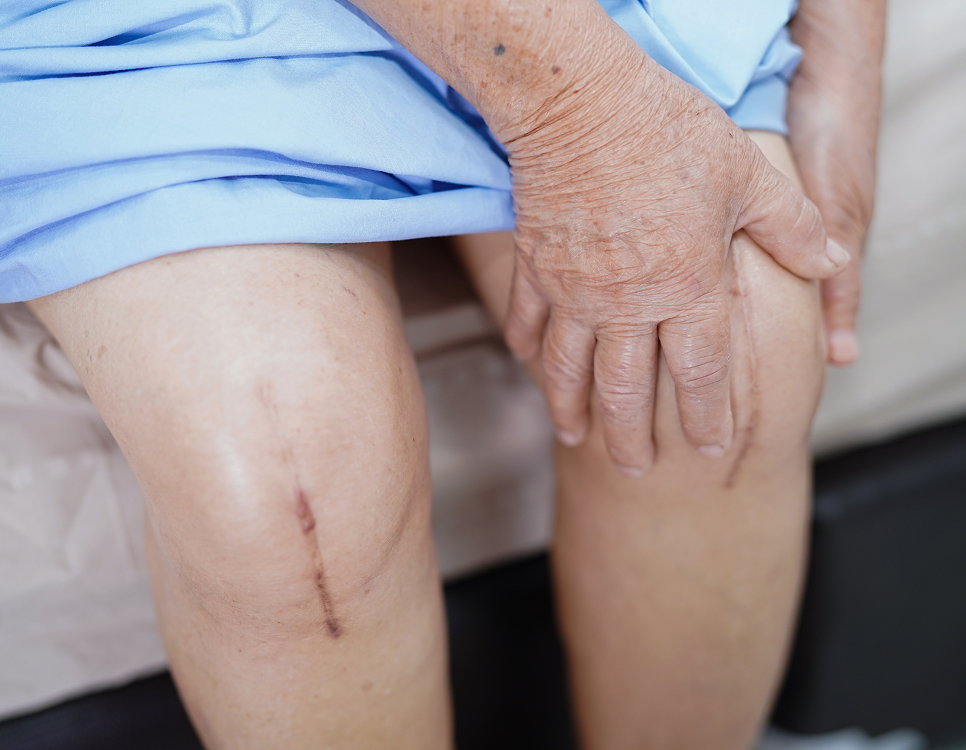
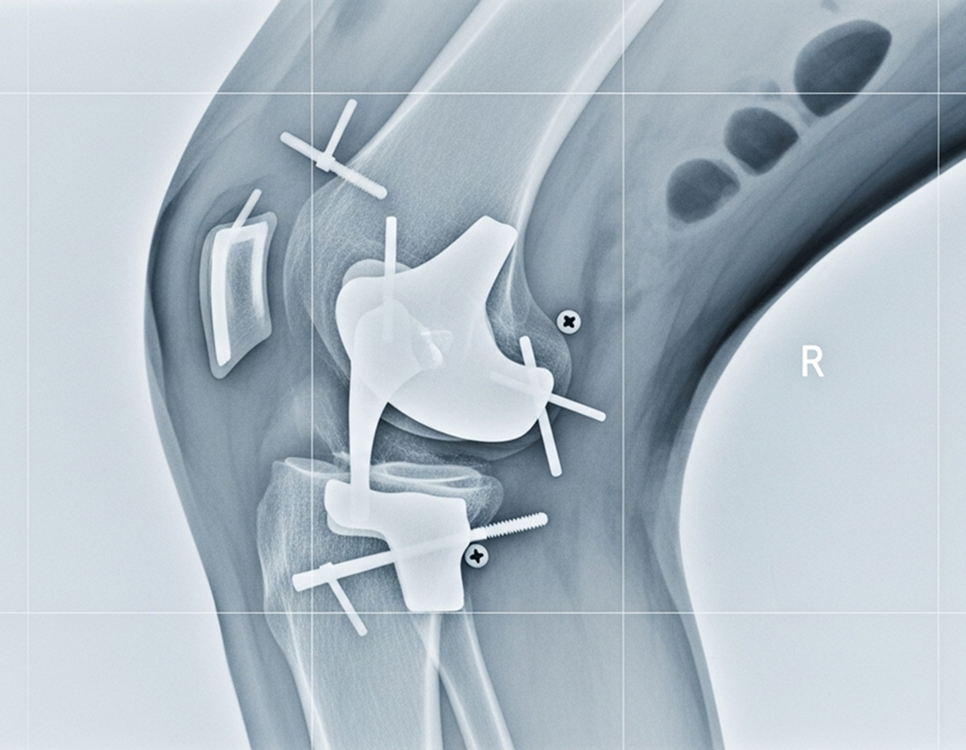
A complex primary knee replacement is a first-time knee replacement for patients with significant challenges like severe deformity, major bone loss, or inflammatory arthritis. These cases require advanced techniques and subspecialist expertise.

Fellowship-trained

As a fellowship-trained knee subspecialist, Dr Richard Allom uses advanced techniques, including robotic assistance and metal augments, to manage these challenges effectively

Dr Allom's Goal

His goal is to achieve a stable, well-aligned knee replacement, significantly relieving pain and restoring functional movement.

Complex Primary Knee Replacement Subspecialist Expertise

Not all knee replacements are straightforward.

Some patients present with severe deformity, significant bone loss, previous fractures, or inflammatory arthritis. These challenges require subspecialist expertise and advanced surgical techniques.

If you have been told your knee arthritis is "too complex", "too severe", or that you need to see a specialist with advanced training, you are in the right place. Complex primary knee replacement is Dr Richard Allom's subspecialist focus.

With dual fellowship training (FRCS, FRACS), extensive experience managing challenging cases, and access to advanced implant systems, Dr Allom provides expert care for patients whose knee replacement requires more than standard technique.

Complex doesn't mean impossible. It just means you need the right surgeon with the right expertise.

Dr Allom serves patients across South West Sydney (Gledswood Hills, Campbelltown, Liverpool) and the Mid North Coast (Taree, Forster), offering comprehensive assessment and honest advice for complex knee replacement cases.

What is Complex Primary Knee Replacement

A complex primary knee replacement is a first-time knee replacement that faces significant challenges. These challenges go beyond standard arthritis and require advanced planning and techniques.

A standard knee replacement typically involves moderate arthritis with good bone quality and alignment. In contrast, a complex case involves significant issues, including:
  • Severe deformity (more than 15-20 degrees 'bow-legged' or 'knock-kneed')
  • Significant bone loss or deficiency
  • Previous fractures with malunion (healed in a bad position) or retained hardware
  • Deformity in the femur (thigh bone) or tibia (shin bone)
  • Severe stiffness (inability to fully straighten the knee)
  • Inflammatory arthritis (like [Rheumatoid Arthritis]) with severe bone erosion
These cases benefit from subspecialist expertise, advanced implant systems, and sophisticated surgical planning to achieve a successful outcome.

Conditions Requiring Complex Surgery

Understanding what makes a knee replacement "complex" helps identify whether you need subspecialist care. You may need complex surgery if you have:
Severe Deformity (Bow-Legged or Knock-Kneed)
When the knee has a severe 'bow-legged' (varus) or 'knock-kneed' (valgus) alignment, a standard replacement is not enough. It requires specialist techniques to rebalance the ligaments and reconstruct the joint properly.
Significant Bone Loss
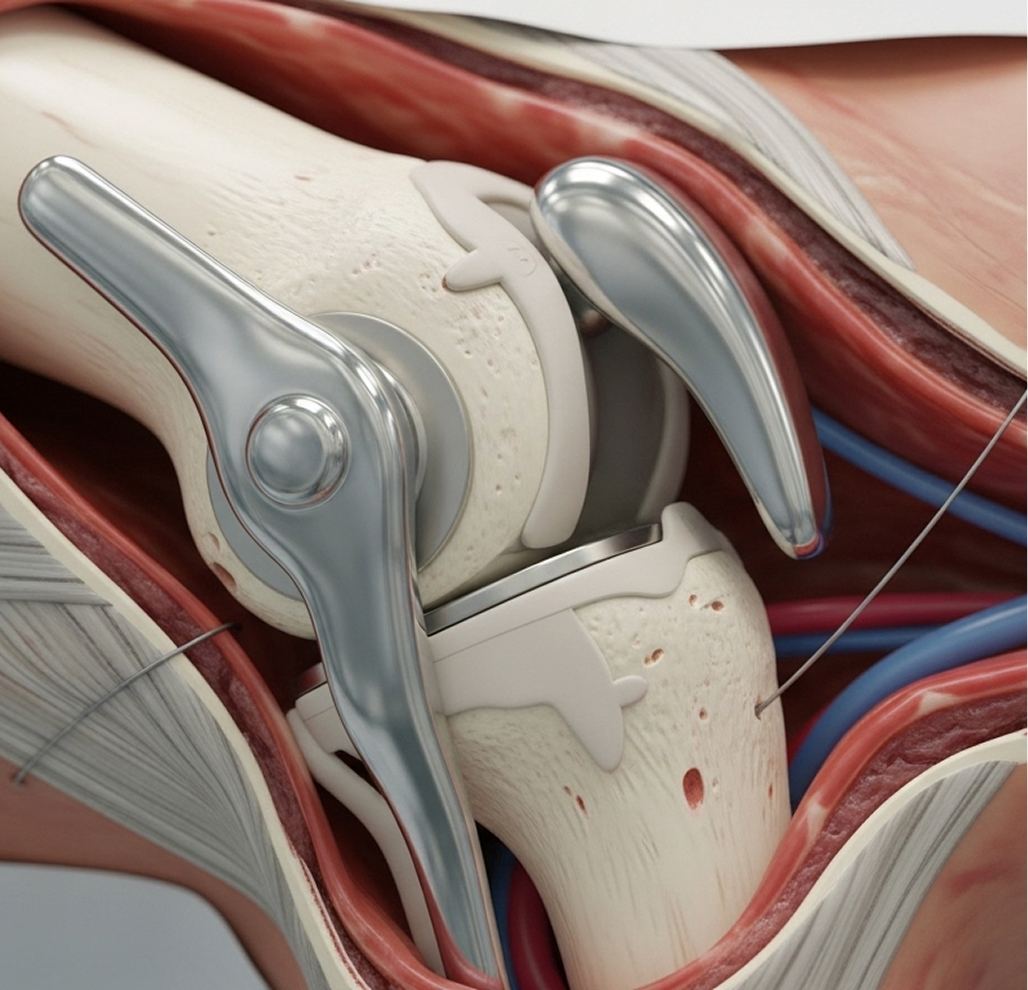
Severe arthritis or old injuries can wear away the bone. This means there is not enough healthy bone to support a standard implant. Dr Allom uses advanced techniques like metal augments or structural cones to rebuild this foundation.
Previous Fractures or Deformity
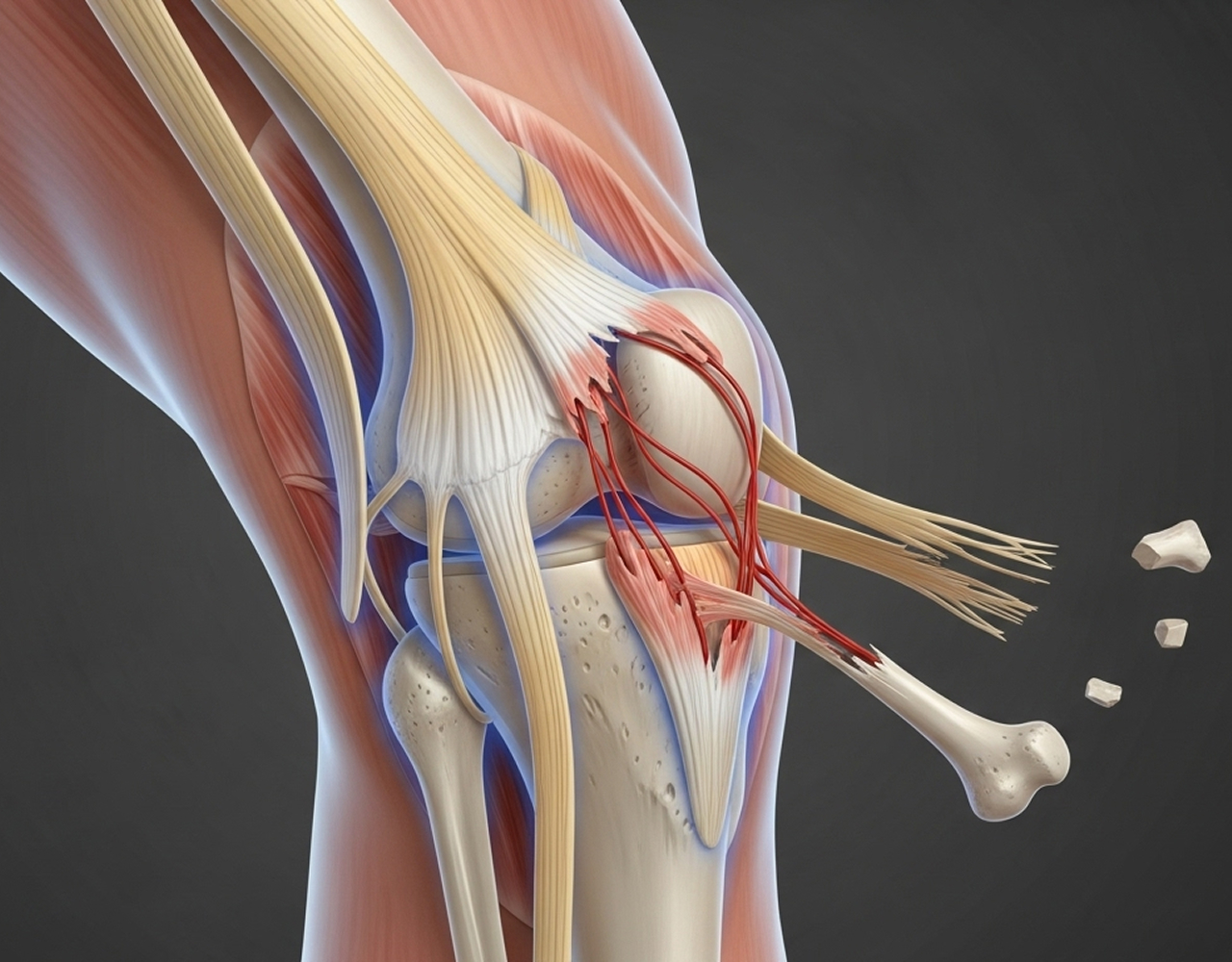
If you have a previous fracture or bowing in the thigh bone (femur) or shin bone (tibia), it changes the joint's alignment. This requires complex planning, often using CT scans and robotic assistance, to ensure the new knee is positioned correctly.
Severe Stiffness
Some patients cannot fully straighten their knee (a fixed flexion contracture). This requires extensive, careful release of scarred tissue during surgery to restore a functional range of motion.
Inflammatory Arthritis
Conditions like Rheumatoid Arthritis can cause severe bone erosion and damage ligaments. This often requires more complex implants and specialist coordination with your rheumatologist.
History of Previous Knee Surgery
Converting a previous surgery (like an osteotomy or a partial knee replacement) to a total knee replacement is a complex procedure. It involves removing old hardware, managing scar tissue, and dealing with altered anatomy.

How a Subspecialist Manages Complex Cases

A complex case requires a different set of skills and tools. Dr Allom's subspecialist approach focuses on three key areas:

Rebalancing Your Knee

A severely deformed knee pulls ligaments tight on one side and stretches them on the other. A subspecialist like Dr Allom performs meticulous, measured releases to restore stability. This avoids over-releasing the ligaments, which can lead to an unstable knee. He will then select the right type of implant to support this new, stable balance.

Rebuilding the Foundation

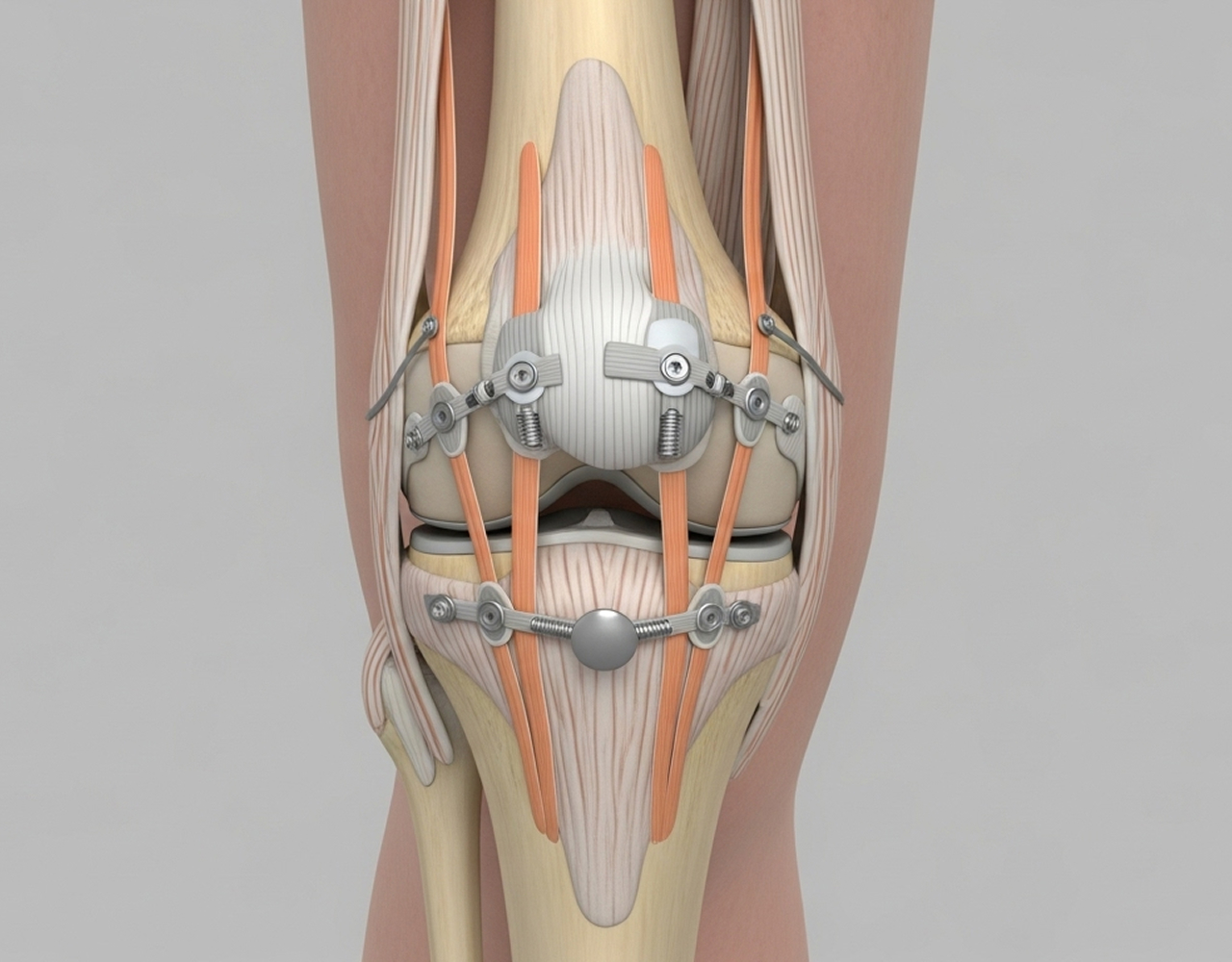
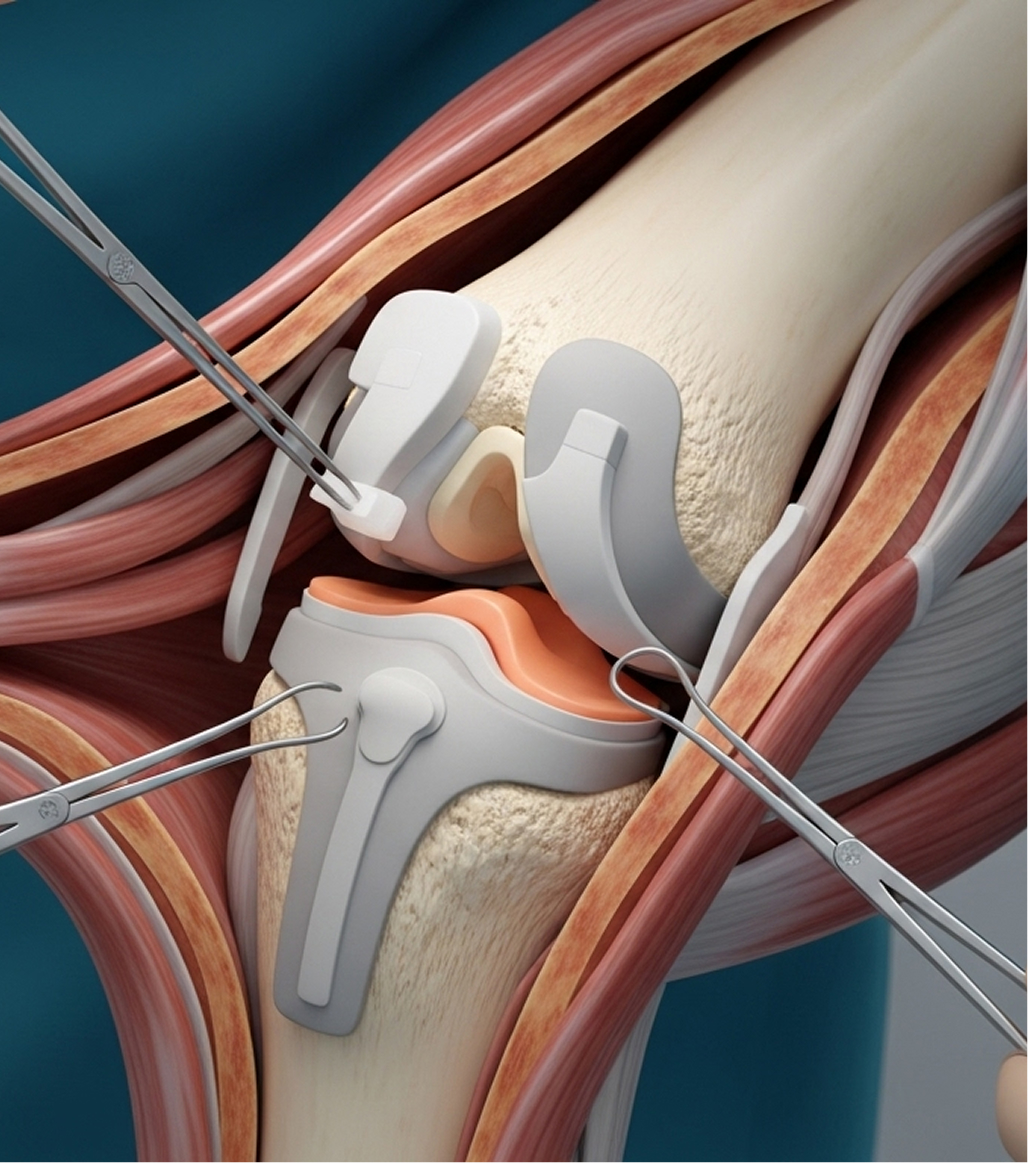
When bone is missing, a standard implant has nothing to rest on. Dr Allom uses advanced solutions like metal augments or porous metal cones (trabecular metal). These act like building blocks to reconstruct the missing bone, providing a solid platform for the new joint.

Protecting Nerves and Arteries

Correcting a severe deformity can put nearby nerves and blood vessels at risk. Dr Allom's subspecialist training involves techniques to protect these critical structures. He uses advanced planning with CT scans and robotic or navigation systems to execute the plan with precision.

Pre-Operative Planning and Assessment

Your journey starts long before the operating theatre

Complex cases demand meticulous planning.

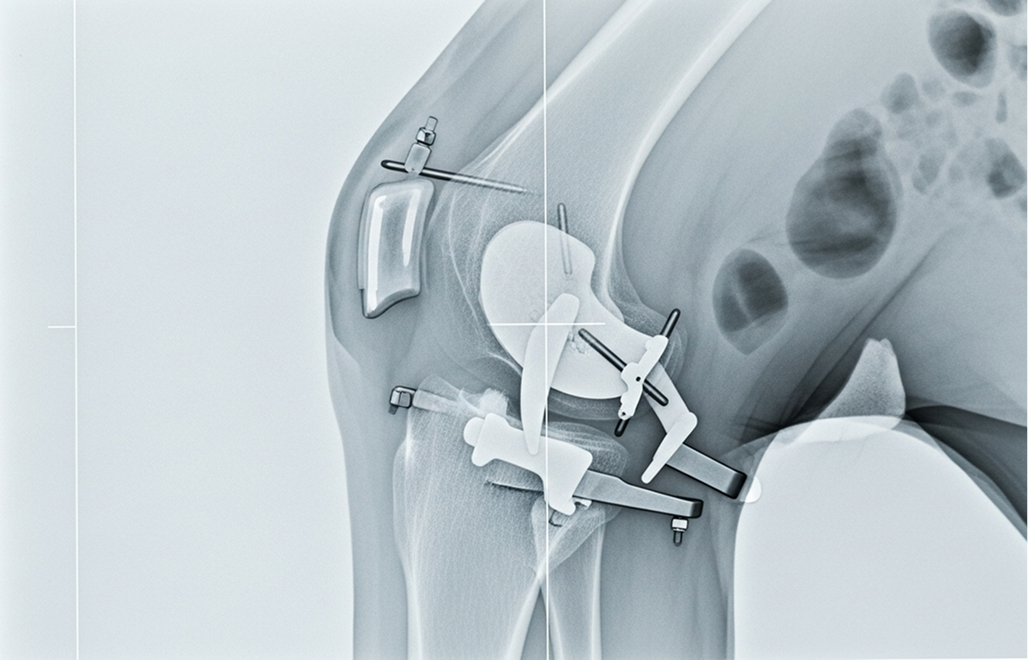
We begin with a comprehensive assessment, including advanced imaging like long-leg alignment X-rays and CT scans. This allows Dr Allom to create a precise digital plan for your surgery.

We also focus on medical optimisation. This means working with your GP to manage conditions like diabetes, stopping smoking, and coordinating with your rheumatologist to plan your medications. This preparation is key to a safer surgery and smoother recovery.

The Complex Surgery Process

The surgery itself usually takes 2 to 3 hours, which is longer than a standard 60-90 minute procedure.

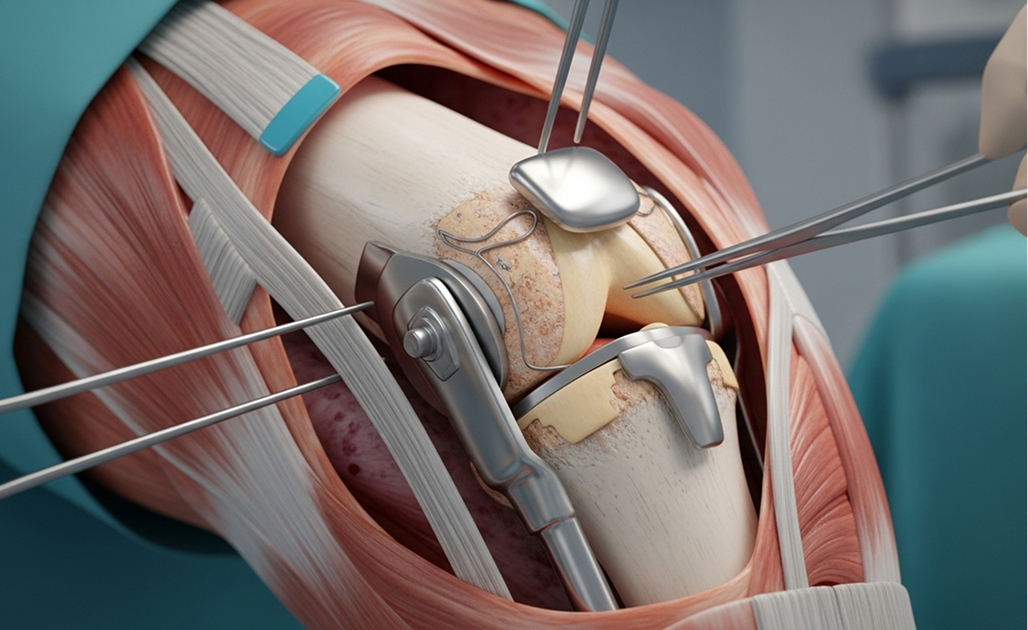
In the operating theatre, Dr Allom will use navigation or robotic assistance to make precise bone cuts, carefully release tight soft tissues, and reconstruct any bone defects with augments. He will then test the knee's stability before selecting the final, most appropriate implant.

Because the surgery is more extensive, your hospital stay will likely be 3 to 6 days. This allows our team to monitor your recovery, manage your pain, and start your physiotherapy safely.

Next Steps

If your knee arthritis is complex, severe, or has been described as challenging, a comprehensive subspecialist assessment is the first step. What to Bring: Please bring your referral letter, all relevant imaging studies (X-rays, CT scans, MRI if performed), and your list of current medications to your consultation.

Recovery and Rehabilitation

Recovery from complex knee replacement requires patience and realistic expectations.

Early Healing

Weeks 1-6

This phase focuses on gentle mobilisation with walking aids, managing pain, and allowing the soft tissues to heal.

Functional Recovery

Months 2-3

Your physiotherapy will progress to restore your range of motion and strength. You will gradually return to light activities and driving when cleared.

Long-Term Outcomes

Months 3-12

Most patients achieve a functional range of motion (0-110 degrees), substantial pain relief, and a significant improvement in mobility. You can typically return to daily activities, gardening, golf, and swimming with commitment to your rehabilitation.

Outcomes and Success Rates

Outcomes and Success Rates

Realistic Expectations

It is important to have realistic expectations. The outcomes for complex cases are excellent, but they are different from standard procedures.

Research shows implant survival is 90-94% at 10 years. Most patients (85-90%) achieve significant pain relief and a functional range of motion.

Because the surgery is more challenging, complication rates are slightly higher than in standard cases (e.g., infection risk is 1-3% versus 0.5-1%). Subspecialist expertise is focused on meticulous planning and technique to minimise these risks.

Cost Considerations

A complex procedure is longer, requires more advanced implants (like augments or stems), and may involve a longer hospital stay. Because of this, the cost is higher than a standard replacement.

My team will provide you with a transparent, itemised quote during your consultation so you understand all potential costs. The value of subspecialist care often prevents the need for future revision surgery, which can have significant long-term costs.

Why Choose Dr Richard Allom for Your Complex Knee Replacement

Fellowship-Trained Knee Subspecialist
Dr Allom holds dual UK and Australian qualifications:
  • FRCS (Eng): Fellow of the Royal College of Surgeons of England
  • FRACS (Orth): Fellow of the Royal Australasian College of Surgeons (Orthopaedics)
Comprehensive Complex Case Experience
Dr Allom regularly manages severe deformity, significant bone loss, post-traumatic arthritis, and failed previous surgeries. This is not occasional complex surgery. It is his subspecialist focus.
Access to Advanced Implant Systems
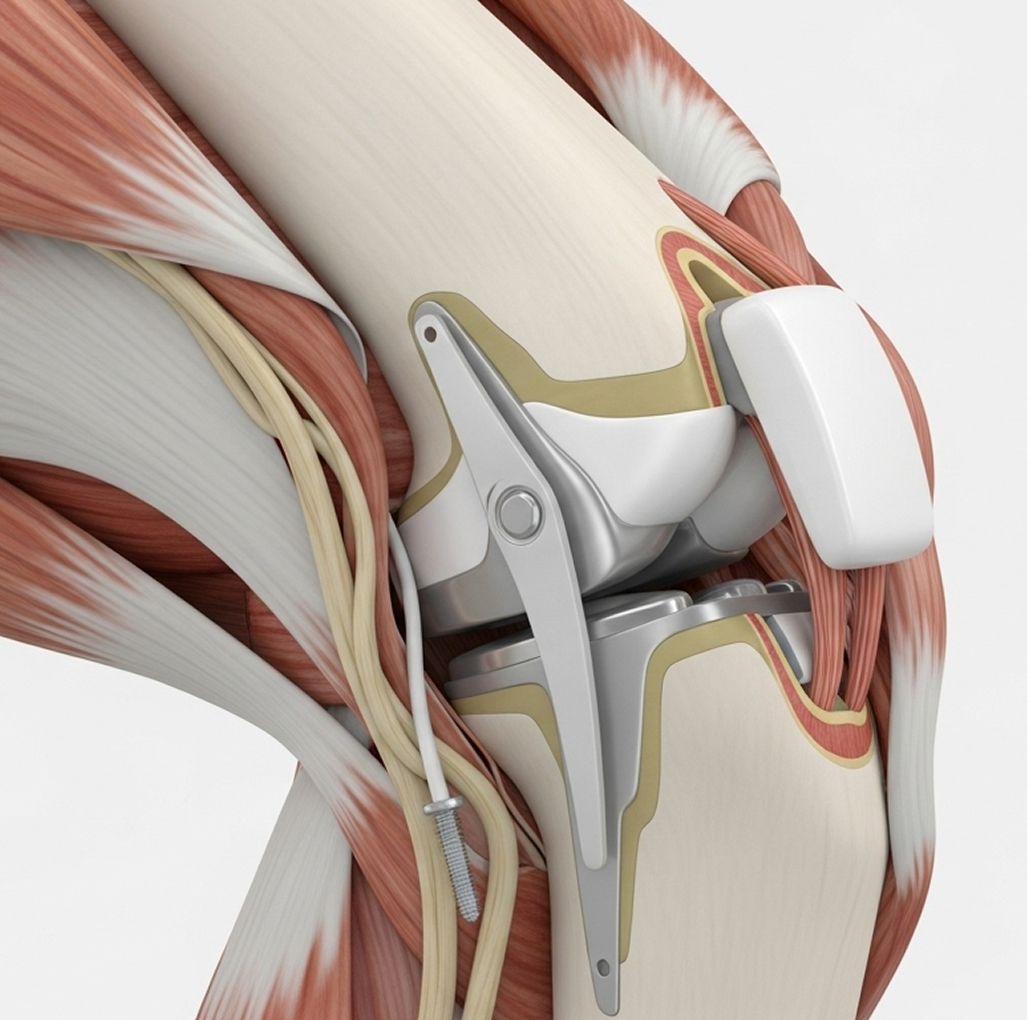
He has experience with the full spectrum of implant systems, from standard implants to constrained systems and rotating-hinge implants, ensuring the right solution for your specific anatomy.
Technology-Enhanced Precision
Dr Allom uses robotic and computer navigation systems to enhance precision, which is critical for correcting complex alignment and protecting soft tissues.
Evidence-Based and Transparent
My approach is grounded in evidence. I am committed to transparent communication, setting realistic expectations, and discussing all challenges honestly.
Accessible Regional Locations
Dr Allom provides this subspecialist expertise at convenient locations across South West Sydney (Gledswood Hills, Campbelltown, Liverpool) and the Mid North Coast (Taree, Forster).

Frequently Asked Questions

You might have a complex case if you have a severe deformity (very bow-legged or knock-kneed), significant bone loss, or have had previous surgery (like a fracture repair or osteotomy) on the same leg. Dr Allom will assess this during your consultation.

Outcomes are excellent, but we must set realistic goals. The main goals are significant pain relief and restoring functional motion (typically 0-110 degrees). While a standard case might achieve 125 degrees of flexion, a complex case achieving 110 degrees is a major success. Patient satisfaction is very high when expectations are clear from the start.

No. Very few knees are truly "impossible" to replace. Often, "too bad" simply means the case is too complex for a generalist surgeon. These are precisely the cases Dr Allom's subspecialist training is for.

The surgery typically takes 2-3 hours (versus 60-90 minutes). The hospital stay is usually 3-6 days (versus 2-4 days). Full functional recovery may take 4-6 months, as opposed to 3-4 months for a standard case.

Many complex cases can achieve stability with standard implants. Dr Allom uses the minimal constraint necessary. He only uses more supportive constrained or hinged implants if the ligaments are severely damaged or bone loss is extreme.

Dr Allom uses advanced techniques to manage bone loss. This includes metal augments (wedges or blocks) to fill moderate defects or trabecular metal cones to reconstruct large, uncontained defects.

Yes. Conditions like [Rheumatoid Arthritis] can be successfully managed with knee replacement, even with bone erosion and medication challenges. Dr Allom will coordinate closely with your rheumatologist.

Converting a high tibial [osteotomy] to a knee replacement is a recognised complex scenario. It involves altered anatomy, hardware removal, and potential bone loss. Dr Allom has extensive experience managing these specific cases.

Complex knee replacement costs more than a standard procedure due to the longer surgery, advanced implants, and extended hospital stay. Dr Allom's team provides transparent, itemised cost estimates during consultation.

Complex anatomy does not automatically mean you need surgery. Dr Allom assesses your symptom severity, your goals, and what conservative options have been tried. Surgery is only recommended when conservative options are exhausted and it is likely to significantly improve your quality of life.

What to Expect at Your Consultation

Your consultation includes a comprehensive assessment, a review of your imaging, and a discussion of your specific challenges. Dr Allom will provide honest, evidence-based recommendations and help you develop a realistic treatment plan that respects your personal goals.

How to Book

Complex cases need specialist expertise. Discover whether subspecialist care can achieve the outcomes you deserve.
I welcome patients across South West Sydney and the Mid North Coast seeking expert management of complex knee fractures.

Convenient Locations in Two Regions

I consult and operate from five locations, providing local access to subspecialist expertise without the need for long-distance travel.

South West Sydney Locations

Phone Number

04 3818 3832

Gledswood Hills

The George Centre, Suite 12, 1A The Hermitage Way

Campbelltown

Centric Park, Level 3, 4 Hyde Parade

Liverpool

Sydney South West Private Hospital, Suite 3.02, 24-40 Bigge Street

Mid North Coast Locations

Phone Number

02 6551 0722

Taree

Mayo Private Hospital Specialist Suites, 2 Potoroo Drive

Forster

Dolphin Suites Consulting Rooms, 33 Breckenridge Street

Related Information

Osteoarthritis of the Knee
It happens when the articular cartilage, the smooth layer protecting the ends of your bones inside the joint, wears down over time.
Rheumatoid Arthritis
Rheumatoid arthritis (RA) is an autoimmune condition where your body's immune system mistakenly attacks the lining of your joints.
Failed knee replacement
This can cause pain, instability, or difficulty moving, often needing further surgery called revision knee replacement.
Revision knee replacement
Lorem ipsum dolor sit amet consectetur adipiscing elit, imperdiet taciti sollicitudin porta per.
Robotic knee replacement
Lorem ipsum dolor sit amet consectetur adipiscing elit, imperdiet taciti sollicitudin porta per.
Osteotomy surgery
A precise, joint-preserving surgery designed for active patients with one-sided knee arthritis.

Book Your Consultation

©2026 Dr Richard Allom. All rights reserved.

Oxford Knee Score Questionnaire

Please answer the following 12 questions about your knee, considering your symptoms over the past 4 weeks. Select one answer for each question.