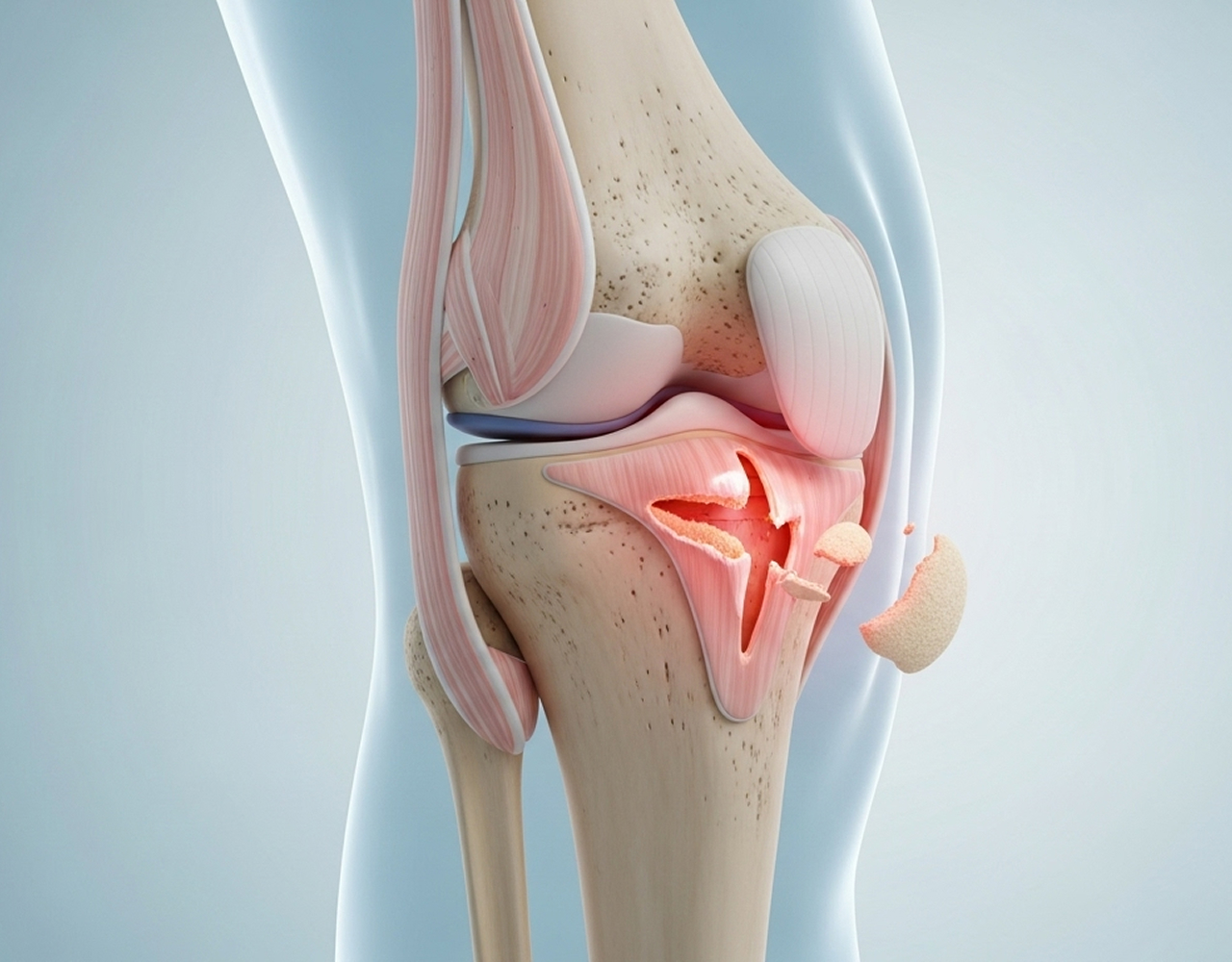
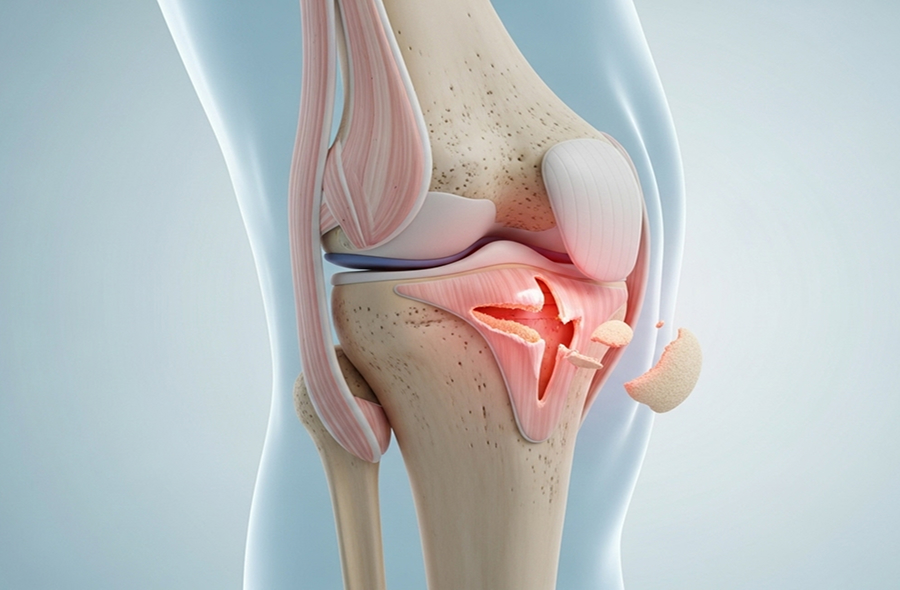
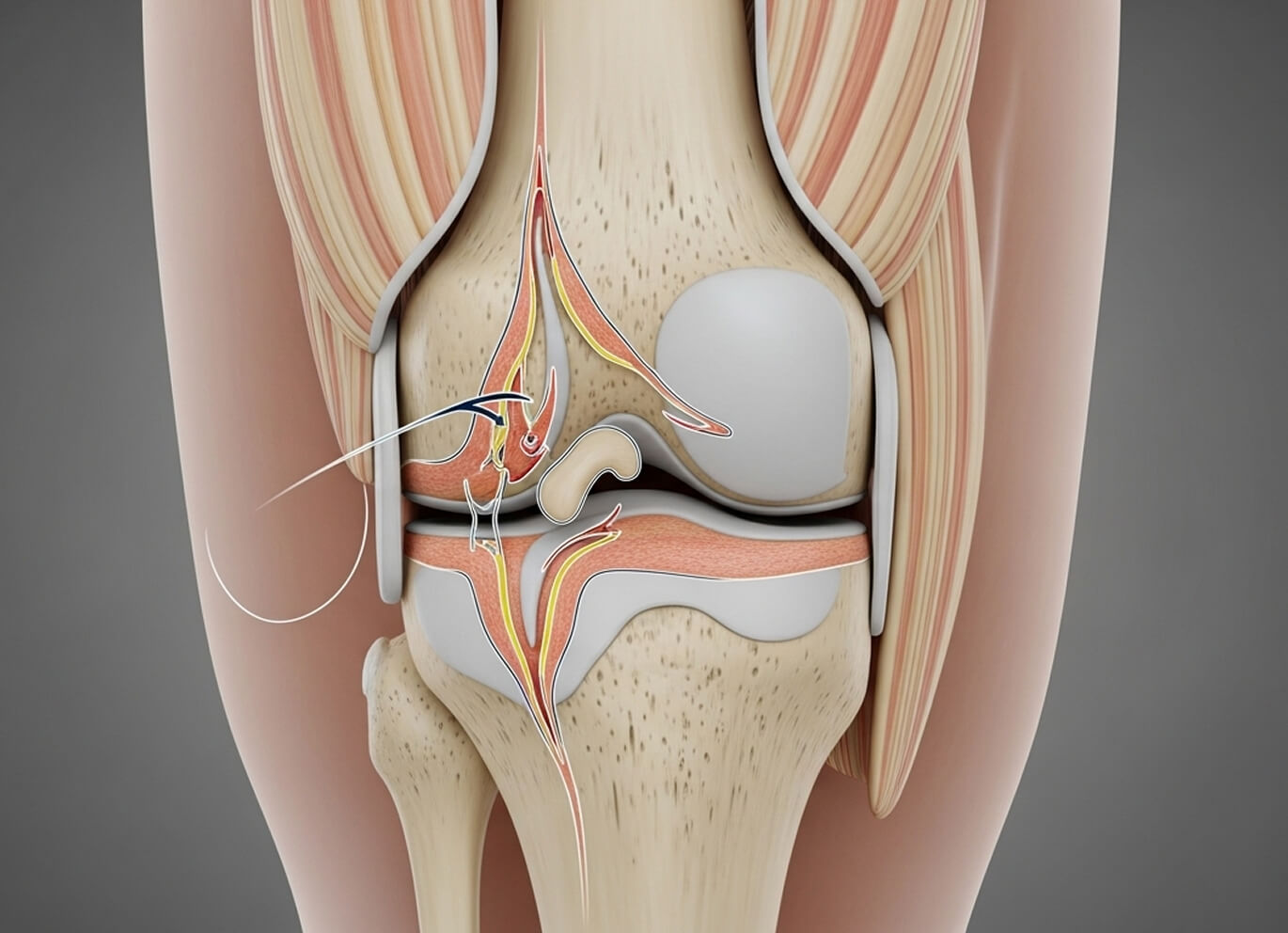
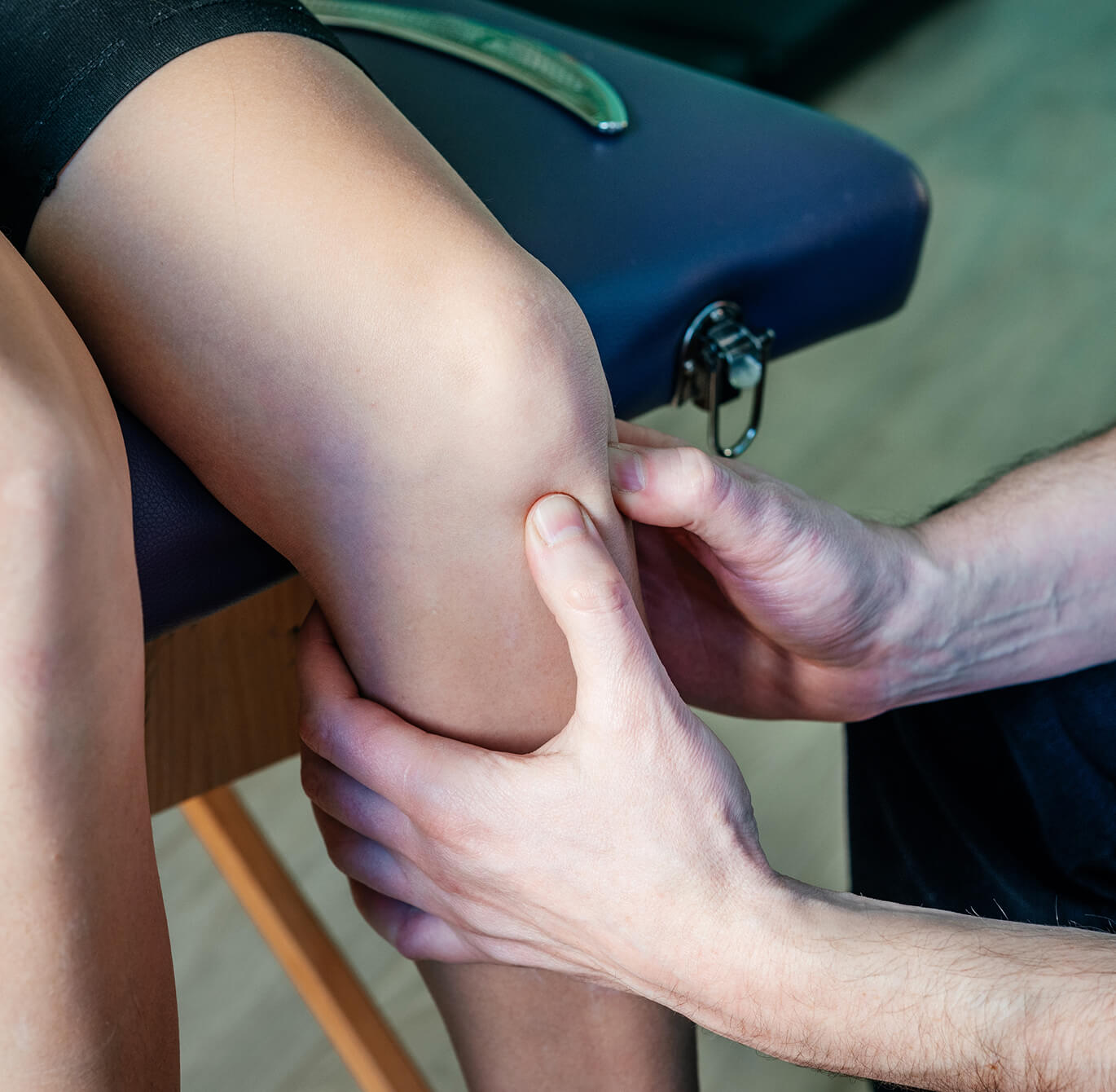
To determine if you have a meniscal tear, Dr Allom will start by discussing your symptoms and how the injury happened. He will then conduct a careful physical examination at one of his clinics in South West Sydney (Campbelltown, Liverpool, Gledswood Hills) or the Mid North Coast (Taree, Forster).
To get a clear picture of the injury, he will refer you for an MRI scan. This is the best way to see the soft tissues inside your knee and confirm the exact type and location of the tear. You might also have an X-ray to make sure there are no other injuries, like a fracture, or to check for signs of arthritis.
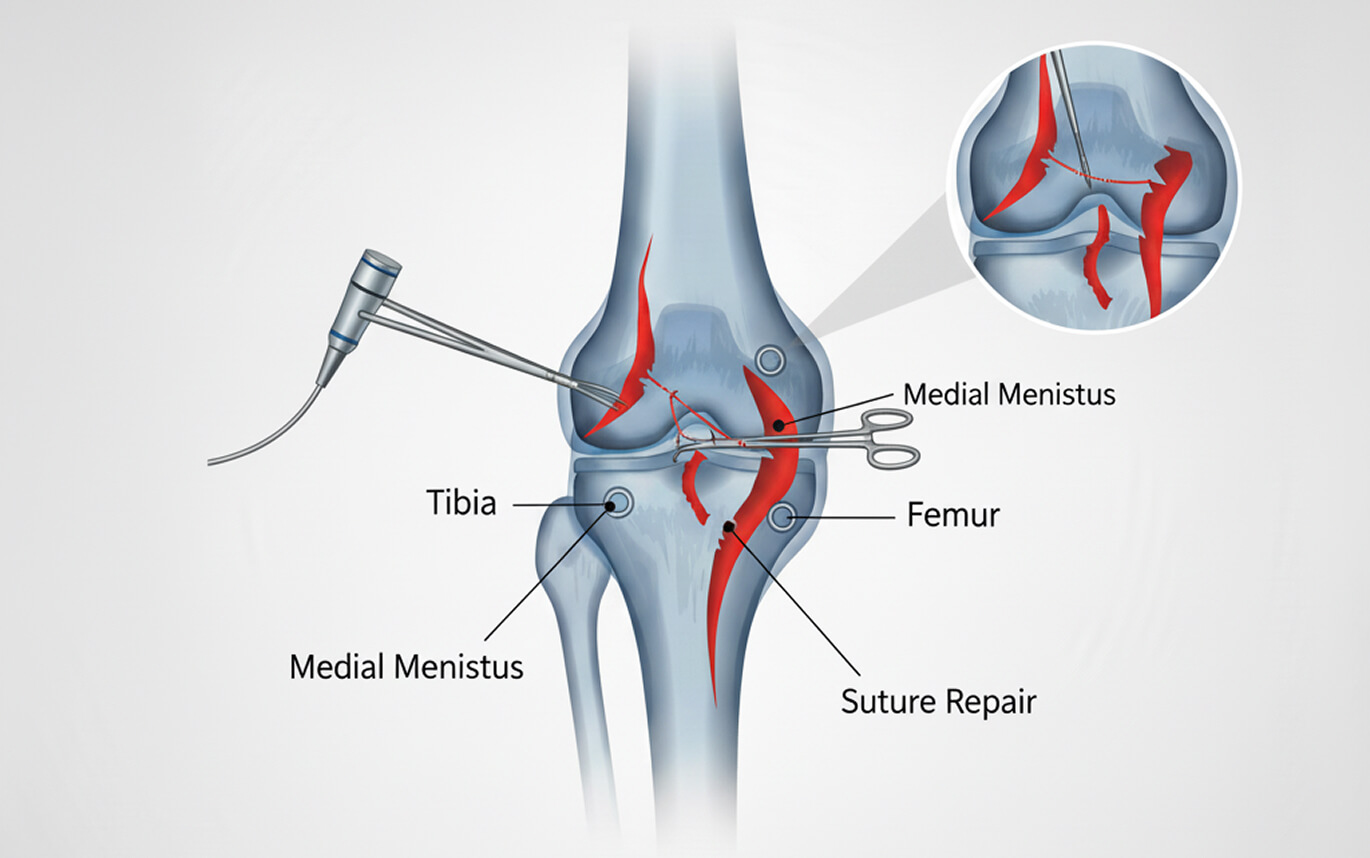
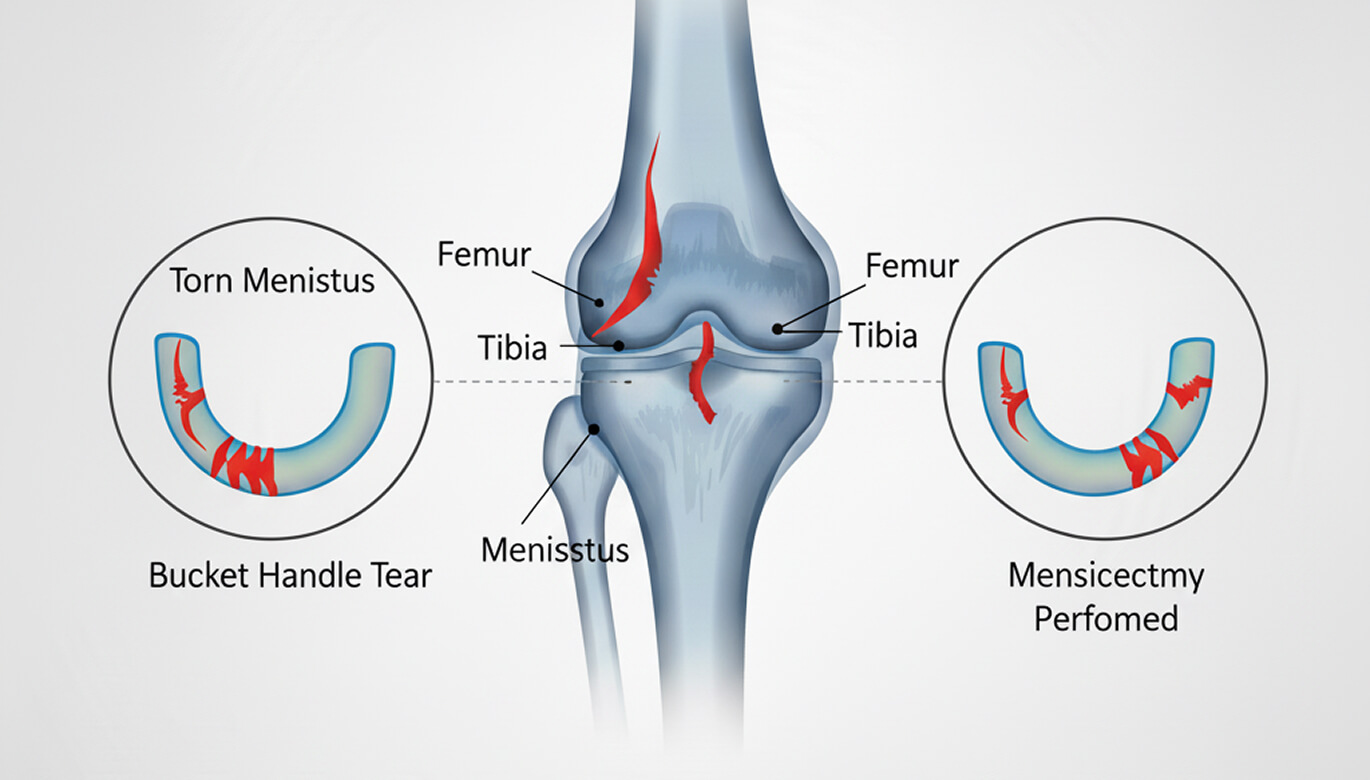
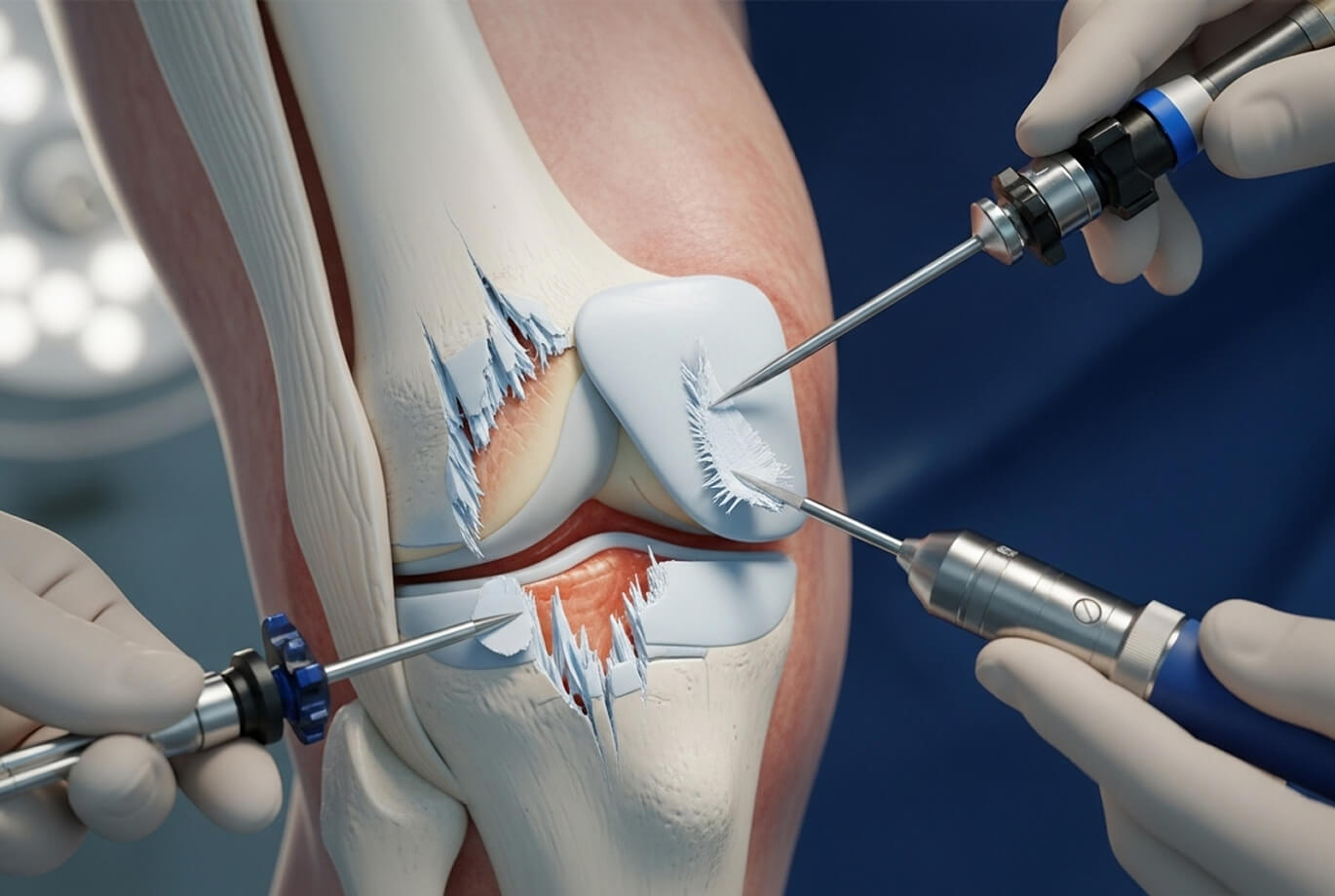
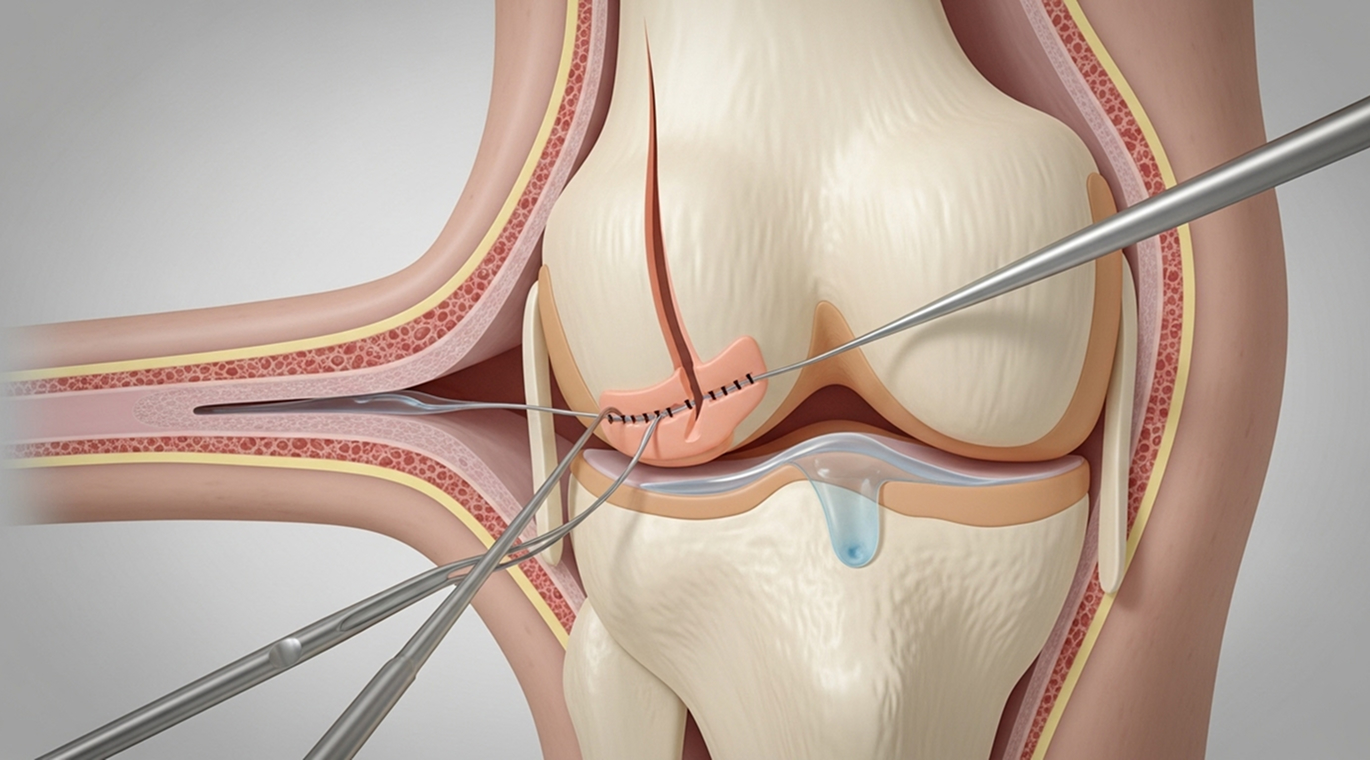
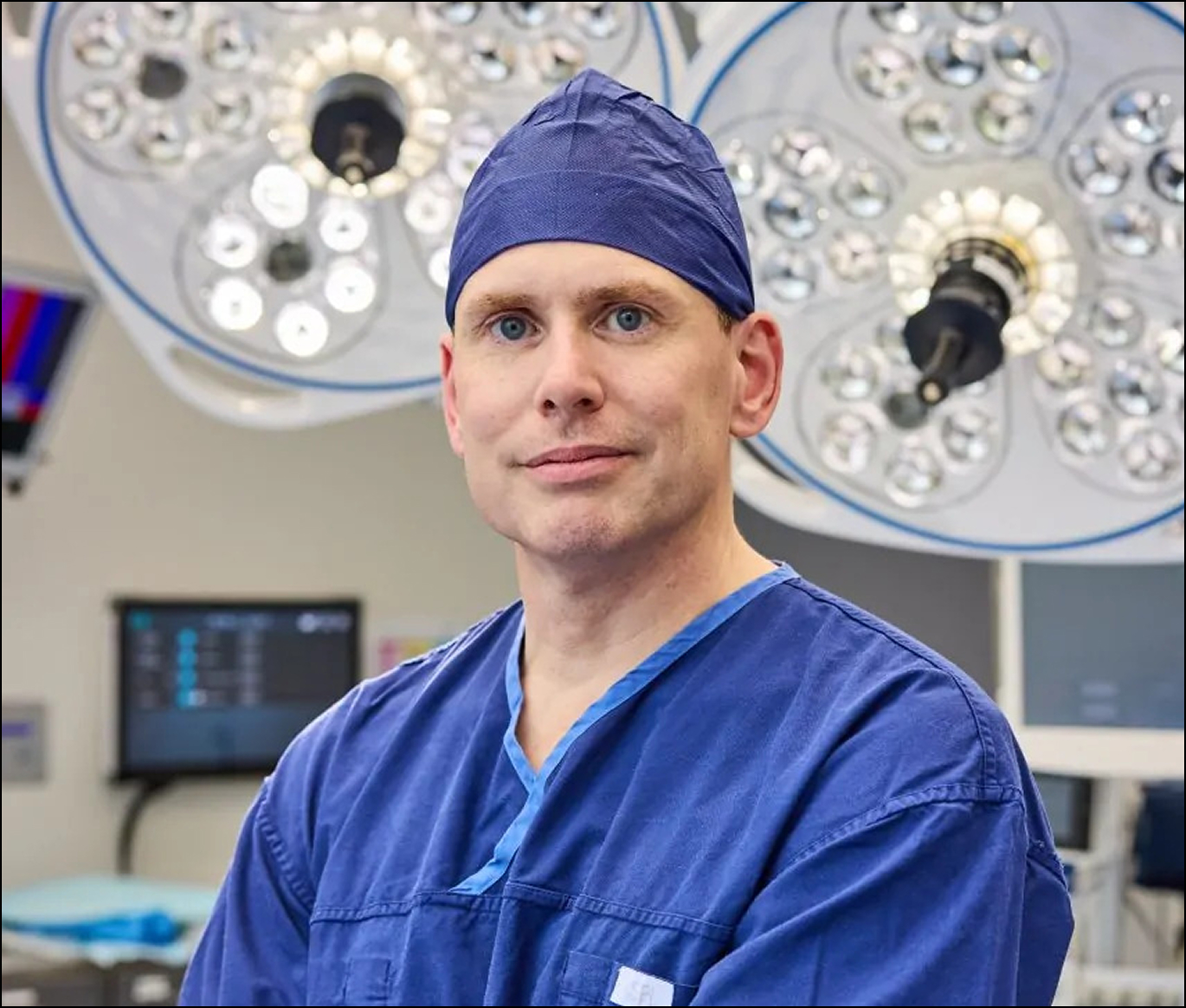
Dr Allom is a strong advocate for joint preservation. His subspecialist training means he is skilled in the latest arthroscopic techniques to save the meniscus whenever possible. His expertise is further supported by a Master's Degree in Surgery, for which his thesis focused specifically on techniques in knee arthroplasty.
As an authority in the field, Dr Allom has published peer-reviewed research and serves as an examiner for orthopaedic surgical trainees, ensuring he remains at the forefront of his specialty.
"In my experience, taking the time to ensure a patient fully understands their injury and treatment options is just as important as the surgery itself. An informed patient is a partner in their own recovery."
He takes the time to clearly explain your diagnosis and treatment options, so you can feel confident and informed about your care. His focus is always on achieving the best possible long-term outcome for the health of your knee.
Sometimes. Small tears, especially those in the outer 'red zone' with a good blood supply, can potentially heal with rest and physiotherapy. However, larger tears or those causing locking symptoms often require surgery to resolve.
Losing a significant portion of the meniscus can increase the risk of developing osteoarthritis later in life. This is why Dr Allom’s goal is to save as much healthy tissue as possible. For example, removing more than half of the meniscus can significantly increase this risk, which is why repair is prioritised.
Returning to sport varies and depends on your surgery. After a partial meniscectomy, it might be around 6 to 8 weeks. After a meniscal repair, the timeline is longer, usually 4 to 6 months, to give the repair the best chance to heal completely.
Not at all. Your overall health, activity level, and the impact of your symptoms are much more important than your age. Dr Allom successfully treats patients of all ages. He will conduct a thorough assessment to determine if surgery is a safe and beneficial option for your specific situation.
This depends on which knee was operated on, the type of surgery you had, and the car you drive. As a general guide, you must be off all strong pain medication and be able to control the pedals safely in an emergency. Dr Allom will give you specific advice based on your procedure and recovery progress.