

TREATMENT

Robotic Knee Replacement

Robotic Knee Replacement banner img

Robotic-Assisted Knee Replacement Surgery Precision Orthopaedic Technology

Robotic-assisted knee replacement combines advanced computer planning and precision robotic technology with subspecialist surgical expertise to improve implant positioning and alignment . Dr Richard Allom uses this technology for selected patients to enhance accuracy, potentially leading to better long-term outcomes and function.

Enhanced Precision

Robotic guidance helps achieve implant positioning and alignment accuracy within 1-2 millimetres .

Personalised Planning

A pre-operative CT scan creates a 3D model, allowing Dr Allom to develop a surgical plan customised to your unique knee anatomy before surgery.

Subspecialist Expertise

Dr Allom's fellowship training (FRCS, FRACS) ensures technology enhances, rather than replaces, expert surgical judgement .

What is Robotic-Assisted Knee Replacement?

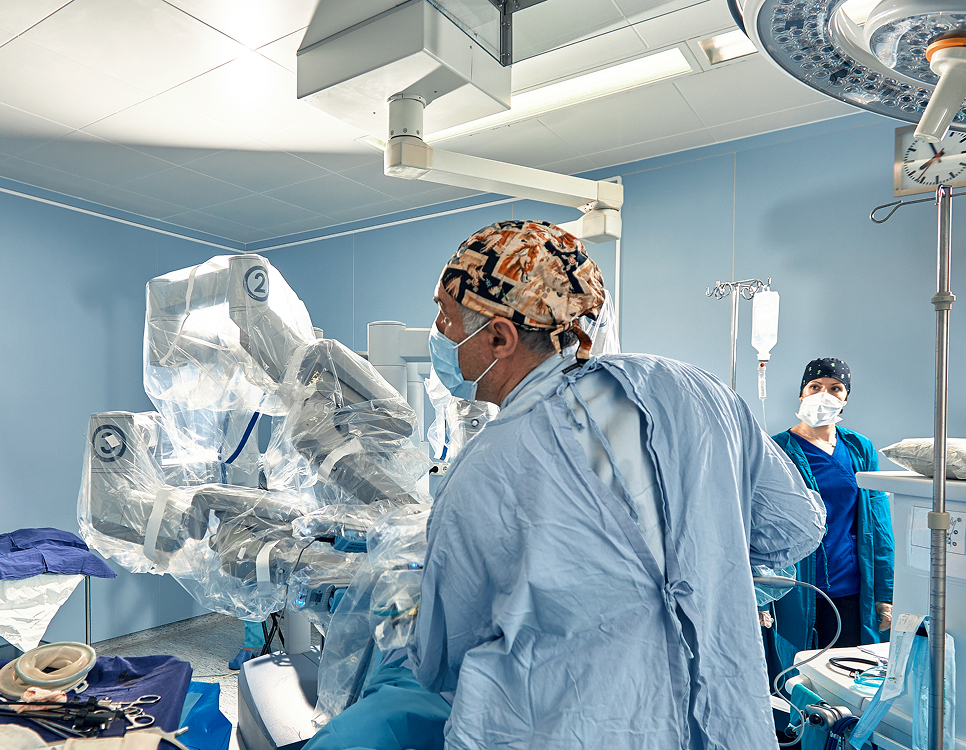
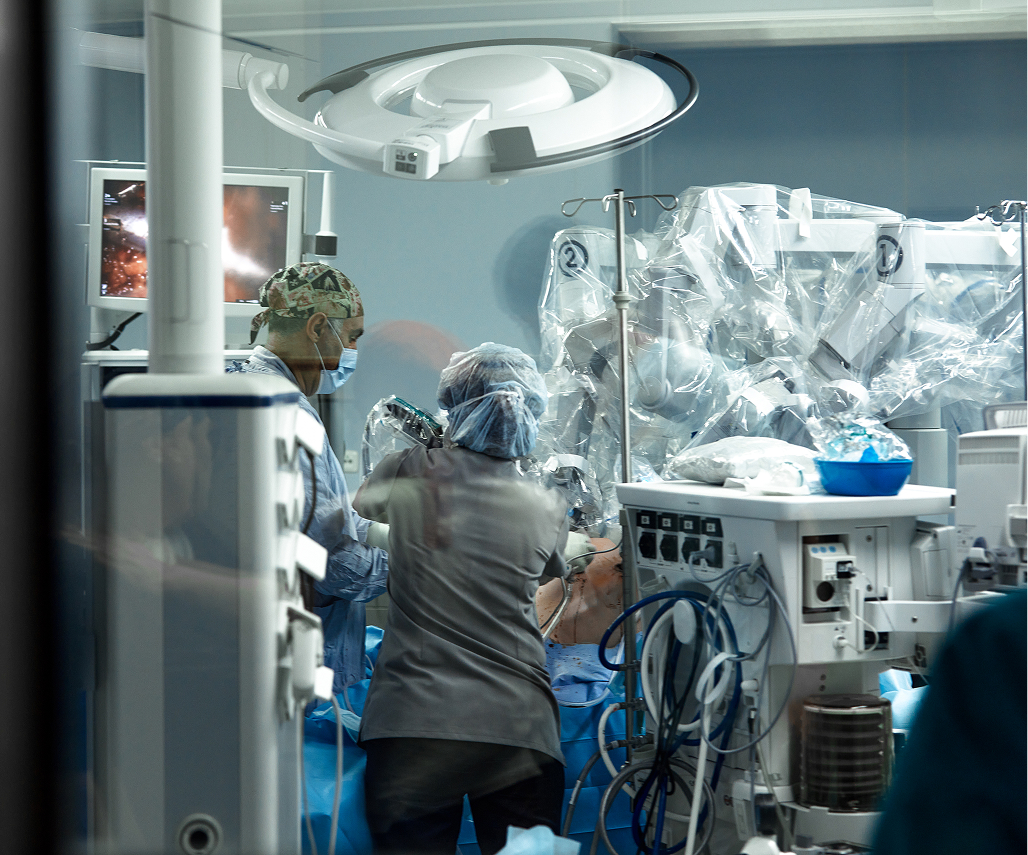
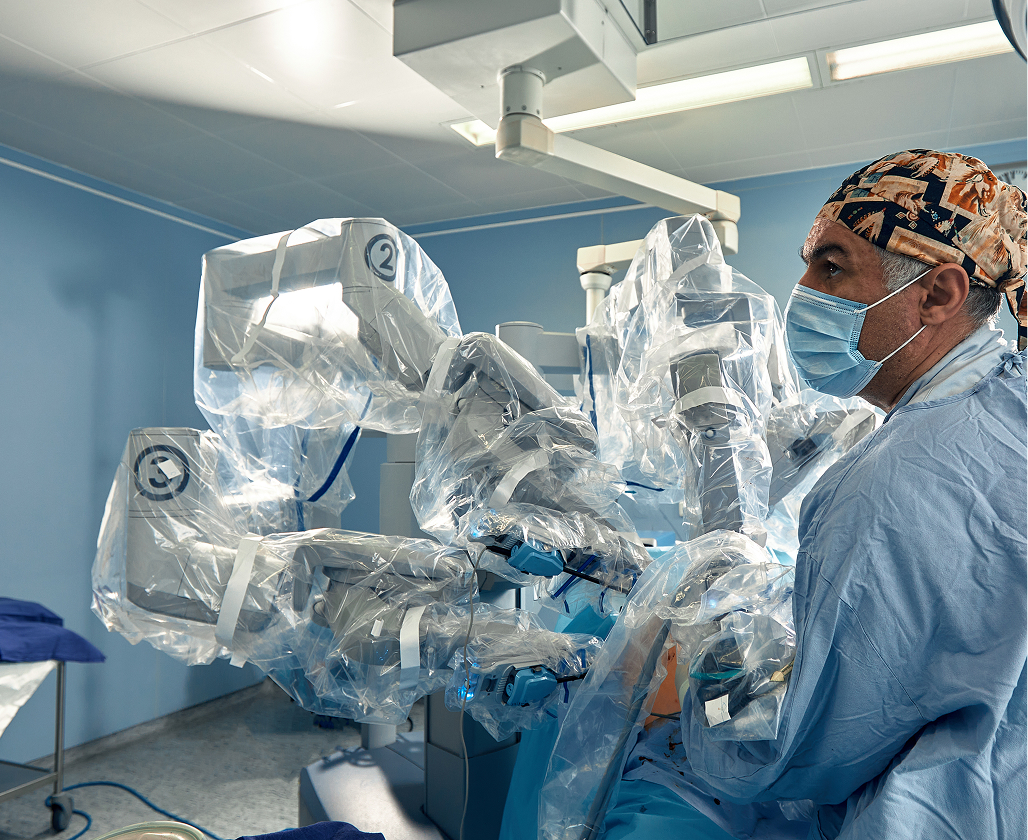
Robotic-assisted knee replacement uses computer navigation alongside a robotic arm to help the surgeon perform the knee replacement procedure with millimetre-level precision. Throughout the surgery, the technology provides real-time feedback, while the surgeon always maintains complete control over the procedure.
Key Technology Components

Key Technology Components

Pre-Operative CT Planning

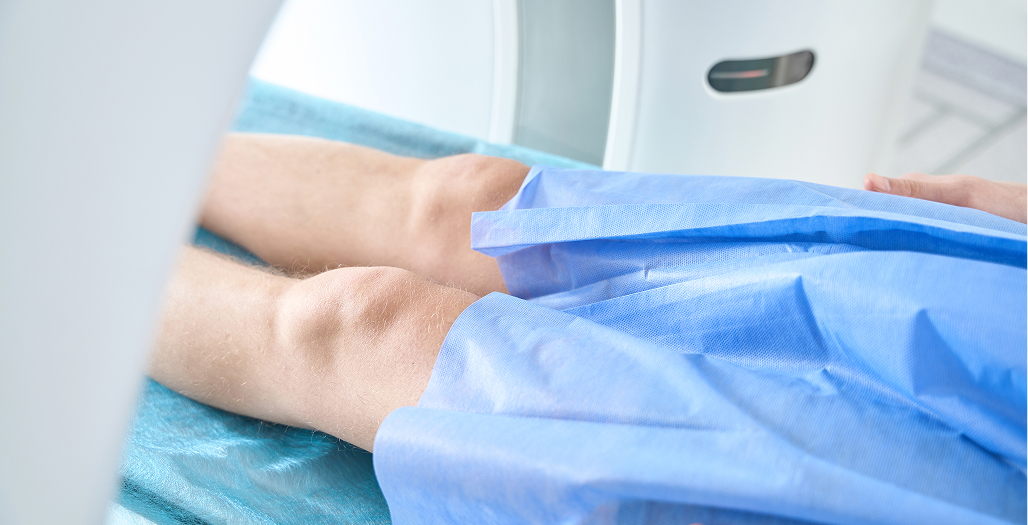
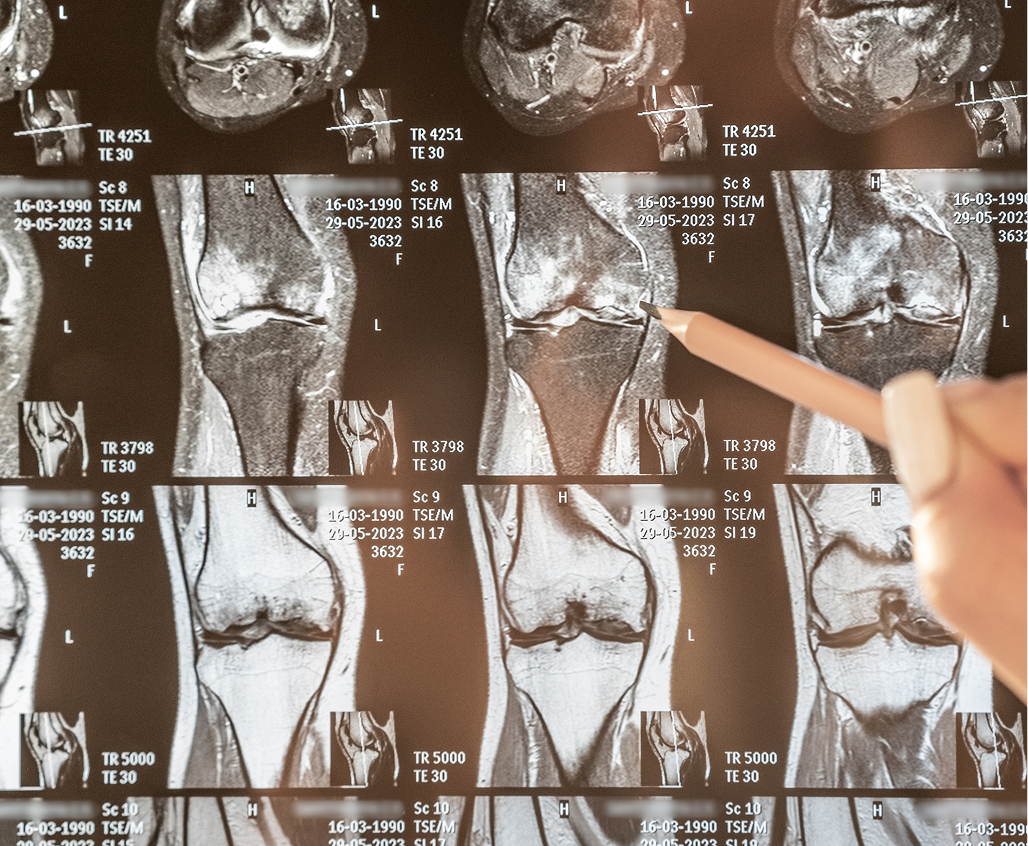
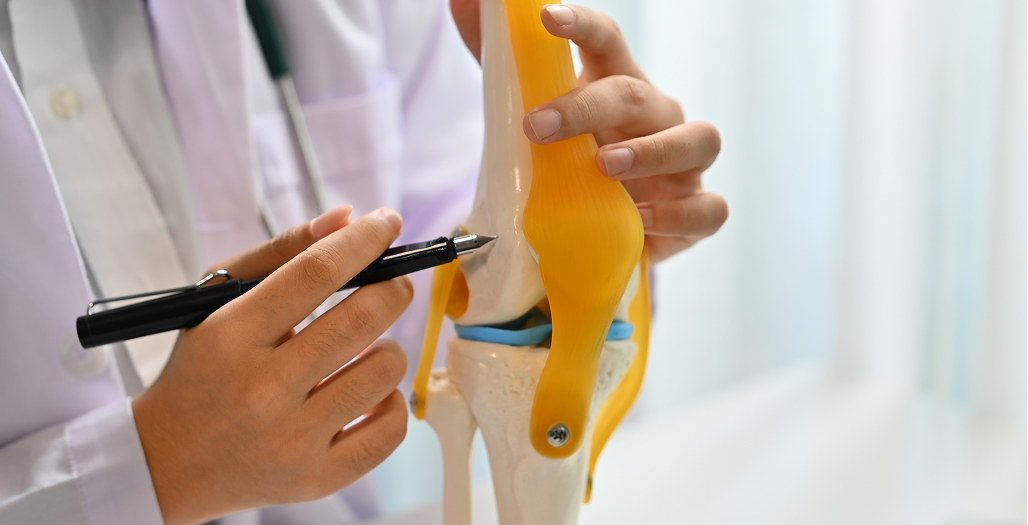
Before surgery, a detailed CT scan creates a three-dimensional model of your individual knee anatomy. This allows Dr Allom to create a precise surgical plan tailored to your specific bone structure, alignment, and any deformity.

Robotic Arm Guidance

During the operation, the robotic arm guides the preparation of the bone surfaces according to the pre-set plan. The surgeon actively controls the cutting instruments, but the robotic system provides boundaries, preventing unintended deviation from the plan. Think of it like bowling lane bumpers keeping the ball precisely on target.

Real-Time Feedback

The system continuously provides information on implant positioning, soft tissue tension, range of motion, and leg alignment during the surgery. Dr Allom uses this feedback to make informed decisions, ensuring optimal placement and function. The surgeon makes all the critical decisions; the robot is a tool to enhance precision.

How Robotic Surgery Works

Pre-Operative Planning

CT Scan and Virtual Plan

About 1-2 weeks before your operation, you will have a specialised CT scan. This scan captures detailed information about your bone anatomy, joint shape, and limb alignment. Using this data, Dr Allom creates a personalised virtual surgical plan on the computer. This plan specifies the best implant size, precise positioning, bone resection levels, and alignment targets tailored just for you. This detailed planning happens before you even arrive at the hospital, allowing careful consideration of your unique knee.

Intra-Operative Execution

Anatomical Registration

Once you are under anaesthesia and the knee is prepared for surgery, the robotic system needs to 'learn' your specific anatomy in the operating theatre. Small tracking pins are placed, and Dr Allom uses a probe to touch specific bony landmarks on your knee. This creates a precise 3D map, confirming your anatomy matches the pre-operative plan.

Dynamic Ligament Balancing

The robotic system allows assessment of your knee ligaments' tension throughout the range of motion. It measures gap spacing and alignment changes, providing Dr Allom with data to guide decisions about soft tissue releases and final implant positioning for optimal stability and function.

Robotic-Guided Bone Preparation

Dr Allom controls the surgical saw used to prepare the bone surfaces. The robotic arm provides active guidance, creating haptic boundaries that resist the saw moving outside the planned area. This helps maintain precision, typically within 1-2 millimetres of the intended plan .

Benefits of Robotic-Assisted Surgery

Research suggests several potential advantages when robotic assistance is used for knee replacement compared to traditional methods.

Enhanced Implant Positioning Accuracy


Millimetre-Level Precision: Studies indicate robotic assistance improves alignment accuracy, typically achieving implant position within ±1 degree of the plan, compared to ±2-3 degrees with traditional techniques. This enhanced accuracy may contribute to improved long-term implant survival.


Reduced Outliers: Robotic technology significantly lowers the number of cases where implant positioning falls outside the desired target range. Studies show outlier rates of 15-25% with traditional techniques, reduced to 3-8% with robotic assistance.

Personalised Surgical Planning

Every knee's shape and alignment are unique. Robotic technology enables detailed pre-operative planning customised to your specific anatomy. Implant selection can be optimised for your bone dimensions, alignment targets can be individualised based on your natural limb mechanics (using personalised alignment philosophies), and the soft tissue balancing strategy can be planned according to your specific deformity pattern.

Improved Soft Tissue Preservation

The precision offered by robotics may allow for more conservative bone resection and potentially less disruption to surrounding soft tissues. Better preservation of proprioceptive structures (nerves providing joint position sense) could contribute to a faster early recovery for some patients.

Enhanced Ligament Balancing

Robotic systems provide continuous measurement of ligament tension throughout the knee's arc of motion. This allows identification of subtle imbalances and gives real-time feedback on the effect of any necessary soft tissue releases, contributing to a more natural knee feel and potentially improved function.

Potential Complication Reduction

Some studies suggest robotic-assisted knee replacement might be associated with slightly lower revision rates at 5-7 years, a reduced risk of implant malposition, and potentially decreased blood loss during surgery compared to traditional methods.

Who is Suitable for Robotic Knee Replacement?

Robotic-assisted knee replacement isn't necessary or suitable for every patient. Dr Allom carefully assesses each individual based on clinical findings, anatomical factors, and practical considerations.

Ideal Candidates Might Include

  • Patients with complex knee anatomy, such as significant deformity (bow-legged or knock-kneed), bone changes from previous fractures, or unusual bone geometry.
  • Younger, more active patients who have high expectations for implant longevity and function.
  • Patients with complex deformities requiring very precise soft tissue releases to achieve balance.
  • Patients undergoing a single knee replacement where matching the alignment to the opposite healthy knee is desired.
Ideal Candidates Might Include

Patients for Whom Traditional Surgery May Be Preferable

  • Individuals with severe bone loss that might require custom implants or complex revision surgery techniques.
  • Those with an extreme fixed flexion contracture (inability to fully straighten the knee, typically >20 degrees).
  • Patients whose body size or shape falls outside the parameters suitable for the robotic system.
  • Situations where geographic or logistical issues prevent the necessary pre-operative CT scan or travel to a facility with robotic capabilities.
  • Patients who simply prefer traditional, well-established techniques.
Dr Allom discusses both robotic and traditional options transparently during your consultation. He will recommend the approach most likely to achieve the best possible outcome for your specific situation.

Recovery and Rehabilitation

The recovery process after robotic-assisted knee replacement generally follows similar timelines to traditional surgery. However, some studies suggest patients might experience slightly less pain in the early stages and potentially a faster return to initial functional milestones

Initial Healing

Week 1-2

You'll start walking with crutches or a frame, performing gentle range of motion exercises, and using ice and elevation to manage swelling. Most patients significantly reduce strong pain medications within this period. Expected progress includes walking short distances indoors, bending the knee to 70-90 degrees, and achieving near-full straightening.

Progressive Mobilisation

Week 3-6

Focus shifts to reducing reliance on walking aids, increasing walking distance, resuming light household activities, and starting exercises like stationary cycling. Outpatient physiotherapy aims to improve range of motion (targeting 0-110 degrees by week 6), build strength, enhance balance, and normalise your walking pattern.

Functional Recovery

Month 2-3

Most patients walk without aids by this stage. Activities often include returning to driving (check specific advice), light work, swimming, and hydrotherapy. Expected progress is achieving 0-120 degrees of motion, walking comfortably for 30-60 minutes, and experiencing minimal pain during daily activities.

Return to Normal Activities

Month 3-6

You should be able to manage most daily activities without limitation. Many patients return to work (including more physical roles with potential modifications), gardening, golf, social tennis, hiking, and dancing. Knee motion typically plateaus around 3-6 months (usually 0-125 degrees), while strength continues improving for up to a year.
While research suggests robotic assistance might slightly accelerate achieving these milestones for some, individual recovery varies significantly based on factors like pre-operative condition, commitment to rehabilitation, and overall health.

Outcomes and Success Rates

Implant Survival Rates

Long-Term Longevity

Research on robotic-assisted knee replacement is ongoing, but early to mid-term data is promising.
  • 5-year implant survival: 97-99%
  • 10-year implant survival: 93-96%
  • 15-year implant survival: 88-92% (based on early data)

Comparison to Traditional Techniques

Traditional knee replacement longevity is also excellent.
  • 5-year survival: 96-98%
  • 10-year survival: 90-95%
  • 15-year survival: 82-88% Robotic assistance appears to offer a modest potential improvement in long-term implant survival, possibly due to enhanced alignment accuracy reducing uneven wear. Source: Australian Orthopaedic Association National Joint Replacement Registry (AOANJRR) - 2024 Annual Report

Patient Satisfaction

Patient satisfaction after knee replacement is generally high, regardless of technique. Typical rates are:
  • Very satisfied: 65-75%
  • Satisfied: 20-25%
  • Neutral or dissatisfied: 5-10% Satisfaction rates for robotic-assisted surgery are comparable to, or slightly higher than, traditional knee replacement in some studies.

Functional Outcomes

Oxford Knee Score (0-48 scale, higher score is better)

Patients typically improve significantly, from an average of 18-22 before surgery to 38-42 after surgery.

Forgotten Joint Score

Some research suggests robotic-assisted surgery may lead to higher scores, reflecting the patient's ability to 'forget' about their artificial knee during daily life.

Return to Activity

Expected return rates include walking (100%), gardening (95%), golf/swimming/cycling (90%), bushwalking (80%), and tennis/skiing (60-70%). Source: The Journal of Bone and Joint Surgery - Robotic Knee Replacement Patient-Reported Outcomes - 2024

Complication Rates

Serious complications after knee replacement are rare with either technique.
  • Serious Complications: Infection (0.5-1%), blood clots (DVT/PE, 1-2%), nerve or vessel injury (<0.5%), fracture (<0.5%).
  • Minor Complications: Stiffness requiring manipulation under anaesthesia (2-3%), wound healing issues (1-2%), persistent pain (5-10% experience some level of ongoing discomfort).

Robotic vs Traditional Knee Replacement

Key Differences

Accuracy and Precision

Robotic guidance achieves alignment typically within ±1 degree of the plan, whereas traditional methods vary by ±2-3 degrees. Both techniques achieve acceptable alignment in most cases, but robotics reduces the frequency of outliers outside the target zone

Soft Tissue Balancing

Traditional assessment relies on the surgeon's feel and measurements at specific points in motion. Robotic systems provide dynamic ligament tension data throughout the entire range of motion.

Surgical Time

Robotic surgery generally takes longer (90-120 minutes) compared to traditional surgery (60-90 minutes) due to the setup and registration steps.

Cost

Robotic surgery involves additional costs, typically $1,500-$2,500, related to the pre-operative CT scan and robotic system usage fees.
Which is Better

Which is Better?

Current research suggests both techniques achieve excellent outcomes when performed by experienced surgeons. Robotic technology offers measurable improvements in precision and alignment consistency, which may translate to modest benefits in long-term function or implant survival, although definitive proof beyond 10-15 years is still emerging. The "best" technique depends on your individual anatomy, the complexity of your case, and surgeon preference and experience. Dr Allom is proficient in both and will advise which approach offers the most significant advantages for you.

Cost Considerations

Robotic-assisted knee replacement generally involves higher costs than traditional surgery.

Cost Components

Additional Costs Specific to Robotic Surgery

  • Pre-operative CT scan (may be bulk-billed or have an out-of-pocket cost depending on referral type)
  • Robotic system usage fee (charged by the hospital, approximately $1,500-$2,500 additional)
  • Potentially longer operating theatre time costs

Private Health Insurance Coverage

  • Your private health insurance typically covers costs like hospital accommodation, standard theatre fees, the prosthesis itself, and anaesthesia.
  • However, coverage for the robotic system usage fee can vary significantly depending on your insurer and level of cover. It is essential to check directly with your health fund regarding specific coverage for robotic-assisted surgery (item numbers may differ).

Out-of-Pocket Costs

Expected Total Out-of-Pocket Costs (assuming comprehensive private health insurance):

  • Traditional knee replacement: Typically $3,000 - $6,000 (covering surgeon, anaesthetist gaps, hospital excess)
  • Robotic-assisted knee replacement: Typically $4,500 - $8,000 The main difference is the additional $1,500-$2,500 for the robotic technology component.

Is Robotic Surgery Worth the Additional Cost?

This requires careful consideration based on your individual situation. Factors to weigh include:
  • Potential for improved implant longevity possibly reducing the need for future revision surgery.
  • Potential for slightly better function or satisfaction, which may be more valuable for younger, more active patients.
  • Cases with complex anatomy or significant deformity where robotic precision offers clearer advantages.
  • Straightforward arthritis cases where traditional techniques reliably achieve excellent results.

Why Choose Dr Richard Allom for Robotic Knee Replacement?

Fellowship-Trained Knee Subspecialist

Dr Allom holds dual UK and Australian fellowship qualifications, focusing exclusively on knee surgery .
  • FRCS (Eng): Fellow of the Royal College of Surgeons of England
  • FRACS (Orth): Fellow of the Royal Australasian College of Surgeons (Orthopaedics) His training specifically included complex primary knee replacement, robotic-assisted techniques, personalised alignment approaches, and revision knee surgery.

Accessible Locations

Robotic surgery is available locally through Dr Allom's practice.
  • South West Sydney: Consultations available in Gledswood Hills, Campbelltown, Liverpool (robotic surgery performed at affiliated hospitals)
  • Mid North Coast: Robotic surgery available at Mayo Private Hospital, Taree. Consultations also in Forster. Regional patients can access this advanced technology locally without needing to travel to Sydney.

Experience with Traditional and Robotic Techniques

Having performed hundreds of knee replacements using various methods (traditional, robotic MAKO system, computer navigation, personalised alignment), Dr Allom can objectively assess which technique best suits your needs .

Evidence-Based Practice

Dr Allom stays current with peer-reviewed research on robotic surgery, alignment philosophies, and outcomes. Recommendations are based on the latest evidence, tailored to your situation.

Patient-Centred Care

You'll receive a comprehensive assessment, a transparent discussion comparing robotic and traditional options, and honest advice. Shared decision-making ensures the chosen approach aligns with your goals. Technology serves the patient, not the other way around.

Frequently Asked Questions

No. The surgeon, Dr Allom, controls every aspect of the procedure. The robotic system acts as a highly precise tool, providing planning assistance, guidance during bone preparation within safe boundaries, and real-time feedback. Dr Allom makes all critical decisions and can override the system if needed based on surgical judgement.

Both techniques are considered very safe when performed by an experienced surgeon. Robotic technology may reduce the risk of implant malposition and outlier cases, but overall major complication rates (like infection or blood clots) are similar between the techniques. Surgical safety depends more significantly on surgeon experience, meticulous technique, and thorough patient health optimisation before surgery.

Recovery timelines are generally similar, although some studies report slightly less pain in the very early post-operative period and potentially a marginally faster return to initial milestones for some patients undergoing robotic-assisted surgery . However, individual recovery varies greatly depending on many factors. Most patients achieve similar levels of function by 3-6 months, regardless of whether traditional or robotic techniques were used.

Yes, robotic technology can be particularly beneficial in cases with significant knee deformity (severe bow-legs or knock-knees), bone changes from previous trauma or fractures, or complex soft tissue balancing requirements. The detailed 3D planning and precise execution capabilities help manage these challenging situations effectively.

No. Certain conditions may make traditional techniques more appropriate. These include cases with severe bone loss requiring specialised implants or techniques, extreme fixed inability to straighten the knee, significant obesity outside the system's parameters, or certain types of revision surgery. Dr Allom assesses suitability during your consultation and will recommend the most appropriate technique for your individual circumstances.

While robotic knee replacement is a newer technology compared to traditional methods, early and mid-term evidence suggests comparable or slightly improved longevity. Registry data indicates:
  • 10-year survival: 93-96% (robotic) vs 90-95% (traditional)
  • 15-year survival: 88-92% (robotic, limited data) vs 82-88% (traditional) Implant longevity depends on many factors including patient age, activity level, weight, bone quality, surgical precision, and adherence to rehabilitation.

Next Steps

If you are considering knee replacement and wish to explore whether robotic-assisted surgery could offer advantages for your specific condition, the first step is a comprehensive consultation with Dr Richard Allom.

What to Bring: Please bring your referral letter, all relevant imaging studies (X-rays, CT scans, MRI if performed), and your list of current medications to your consultation.
Convenient Locations in Two Regions

I consult and operate from five locations, providing local access to subspecialist expertise without the need for long-distance travel.

South West Sydney Locations

Phone Number

04 3818 3832

Gledswood Hills

The George Centre, Suite 12, 1A The Hermitage Way

Campbelltown

Centric Park, Level 3, 4 Hyde Parade

Liverpool

Sydney South West Private Hospital, Suite 3.02, 24-40 Bigge Street

Mid North Coast Locations

Phone Number

02 6551 0722

Taree

Mayo Private Hospital Specialist Suites, 2 Potoroo Drive

Forster

Dolphin Suites Consulting Rooms, 33 Breckenridge Street

Related Information

Osteoarthritis of the knee
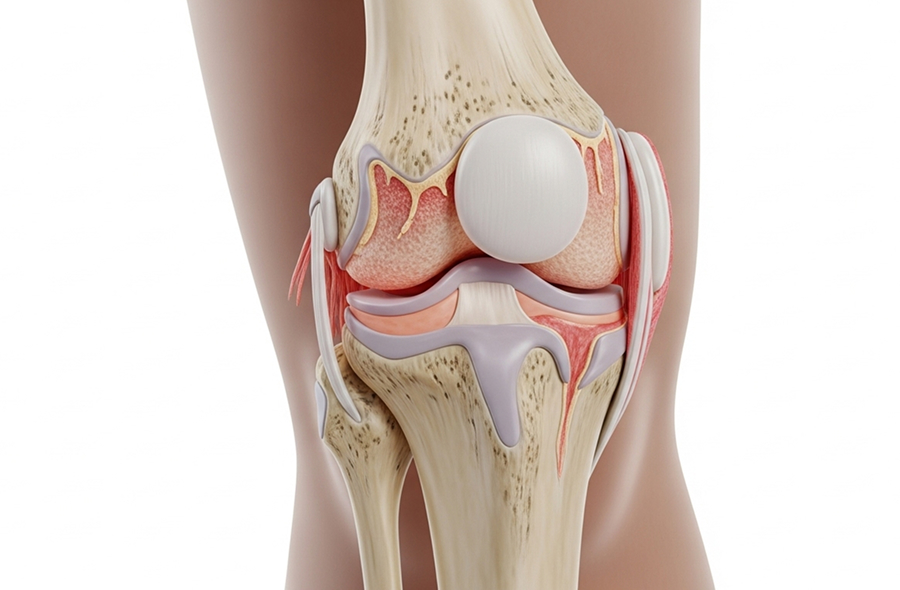
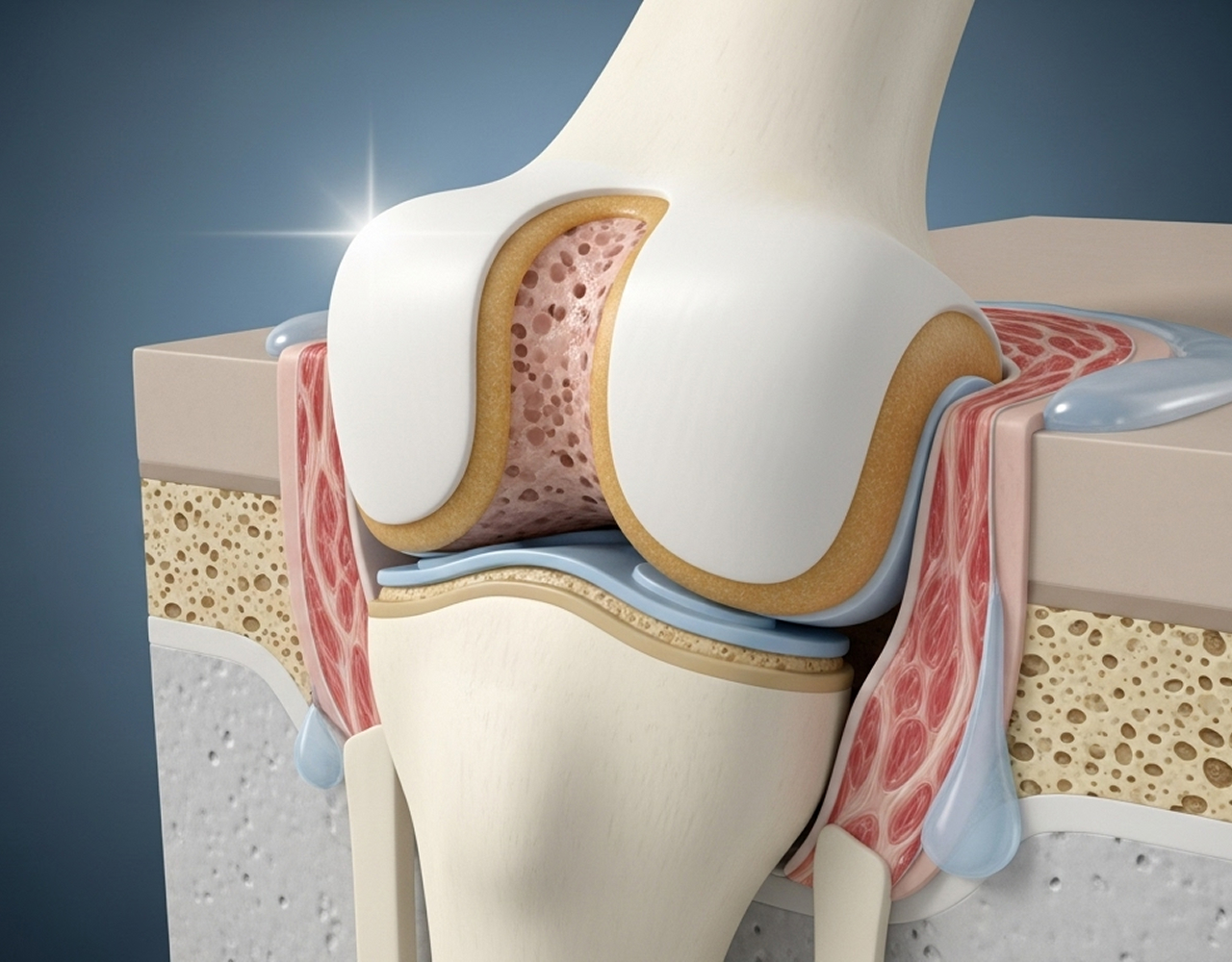
Happens when the articular cartilage, the smooth layer protecting the ends of your bones inside the joint, wears down over time.
Osteochondral Lesion Repair
A surgery to fix damage to both the smooth joint surface (cartilage) and the underlying bone in your knee
Patellofemoral Arthritis
Patellofemoral arthritis affects the joint between your kneecap (patella) and the thighbone (femur).
Failed knee replacement
A knee replacement can sometimes fail over time, causing pain or instability, but expert revision surgery offers a solution.
Osteotomy surgery
A precise, joint-preserving surgery designed for active patients with one-sided knee arthritis.

Book Your Consultation

©2026 Dr Richard Allom. All rights reserved.

Oxford Knee Score Questionnaire

Please answer the following 12 questions about your knee, considering your symptoms over the past 4 weeks. Select one answer for each question.