CONDITIONS

PCL Rupture

Comprehensive Treatment for Posterior Cruciate Ligament Injuries

A posterior cruciate ligament (PCL) injury is less common than an ACL tear but can still cause significant knee instability. Dr Richard Allom is a subspecialist knee surgeon who provides expert diagnosis and tailored treatment for PCL ruptures, helping patients across Sydney and the Mid North Coast return to their daily lives and sporting activities.

Specialist Diagnosis

PCL injuries are often subtle and can be missed during an initial assessment. Dr Allom uses advanced clinical testing and high-quality MRI scans to confirm the diagnosis and check for associated injuries, especially to the posterolateral corner (PLC).

Tailored Treatment

Many PCL tears can be managed successfully without surgery. Dr Allom develops a personal treatment plan based on your injury grade, activity levels, and stability goals, prioritising conservative management whenever appropriate.

Advanced Reconstruction

For severe or combined injuries causing ongoing instability, Dr Allom performs advanced arthroscopic PCL reconstruction. This technique rebuilds the ligament to restore stability, protect the joint, and allow for a safe return to sport.

What is a PCL Rupture

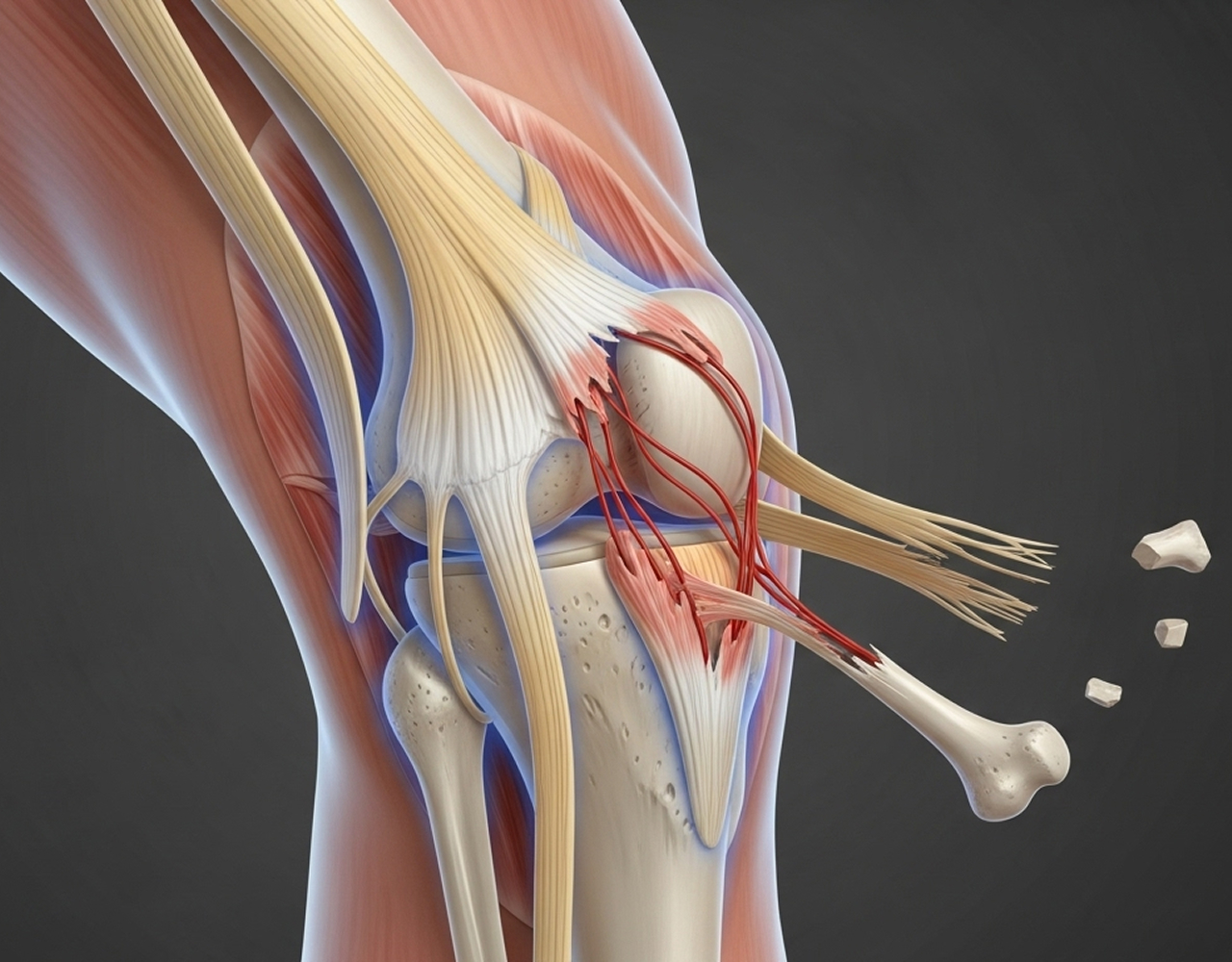
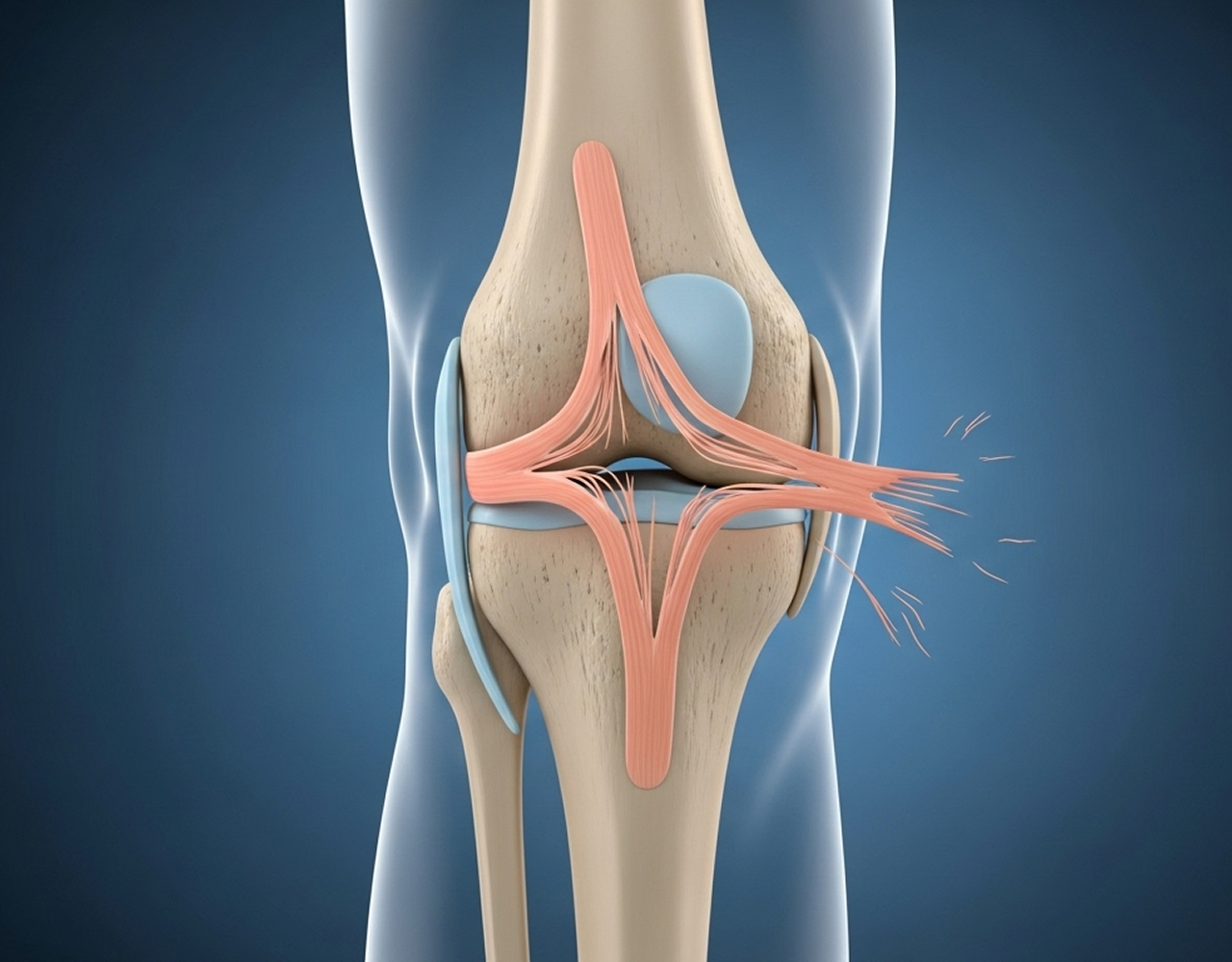
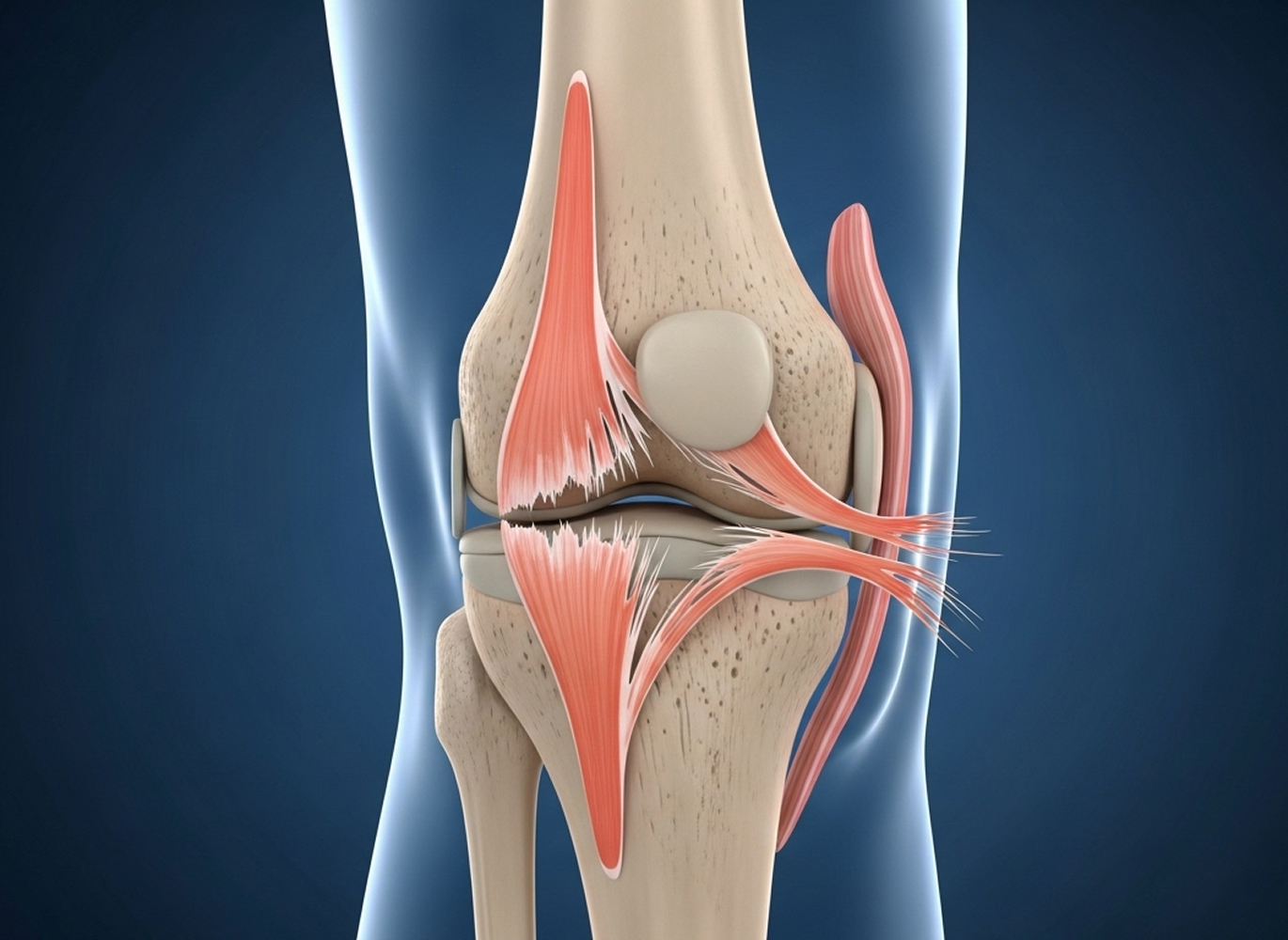
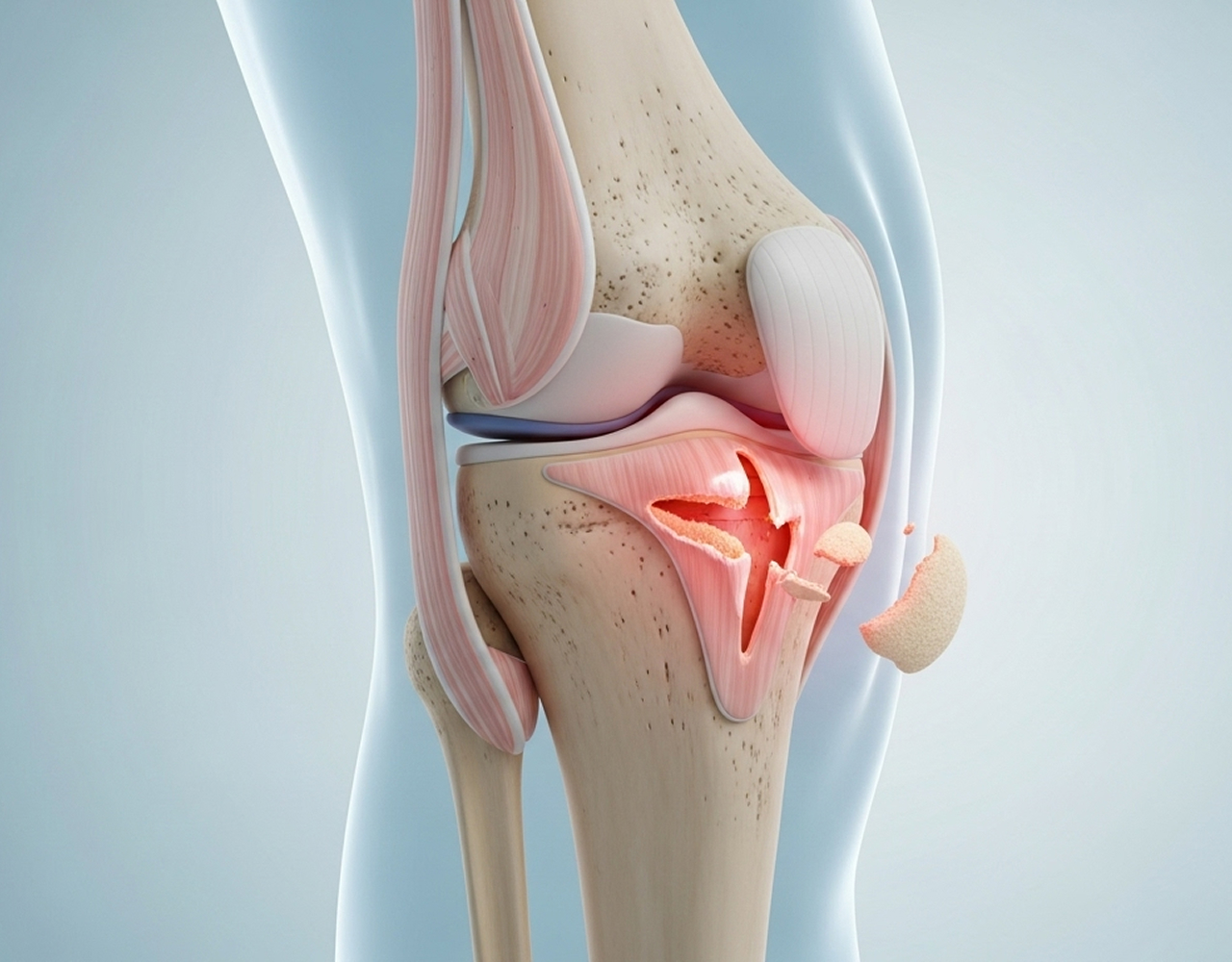
The posterior cruciate ligament (PCL) is the strongest ligament in your knee, connecting the thighbone (femur) to the shinbone (tibia) at the back of the joint. Its main job is to stop the tibia from sliding too far backward.

Because the PCL is so strong, it usually takes a powerful force to injure it. This injury is much less common than an ACL tear but often occurs alongside other ligament damage.

Common Causes for How PCL Injuries Occur

PCL tears typically result from a direct, strong blow to the front of the knee while it is bent.

Dashboard Injury

This is a classic cause. In a car accident, the shin hits the dashboard, forcing the tibia backward and tearing the PCL.

Hyperextension

A severe hyperextension injury, where the knee is forced backward, can also rupture the PCL along with other structures.

Sports-Related Incidents

This often happens from falling hard onto a bent knee (like in rugby or football) or from a direct tackle to the front of the knee. Landing awkwardly from a jump can also be a cause.

PCL Injury Grading

Dr Allom will grade your injury based on how unstable the knee is. This helps determine the best treatment path.

Grade 1

Partial Tear

The PCL is stretched but still intact. The knee has minimal instability.

Grade 2

Complete Isolated Tear

The PCL is torn completely, but no other ligaments are damaged. This can cause moderate instability, especially when walking downstairs or slowing down.

Grade 3

Combined Ligament Injury

The PCL and other key ligaments, such as the posterolateral corner (PLC) or ACL, are torn. This causes significant knee instability and often requires surgery.

Symptoms and Diagnosis

Common Symptoms

Unlike the distinct 'pop' of an ACL tear, PCL injury symptoms can be vague. You might experience:
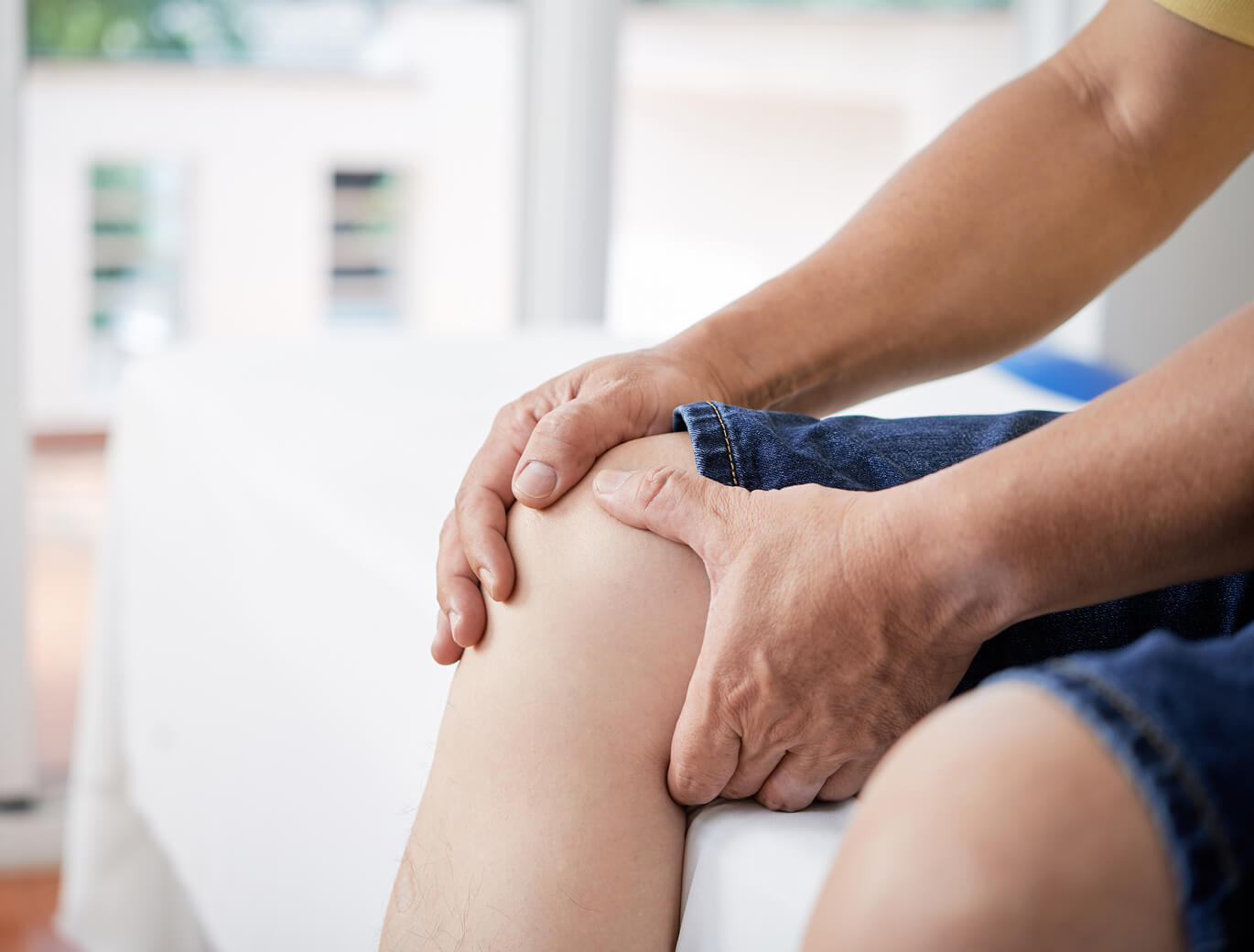
  • Mild to moderate pain at the back of the knee.
  • Swelling, which can be rapid or develop slowly.
  • A feeling of instability or the knee 'giving way'.
  • Difficulty walking downhill or on uneven ground.

Specialist Diagnosis

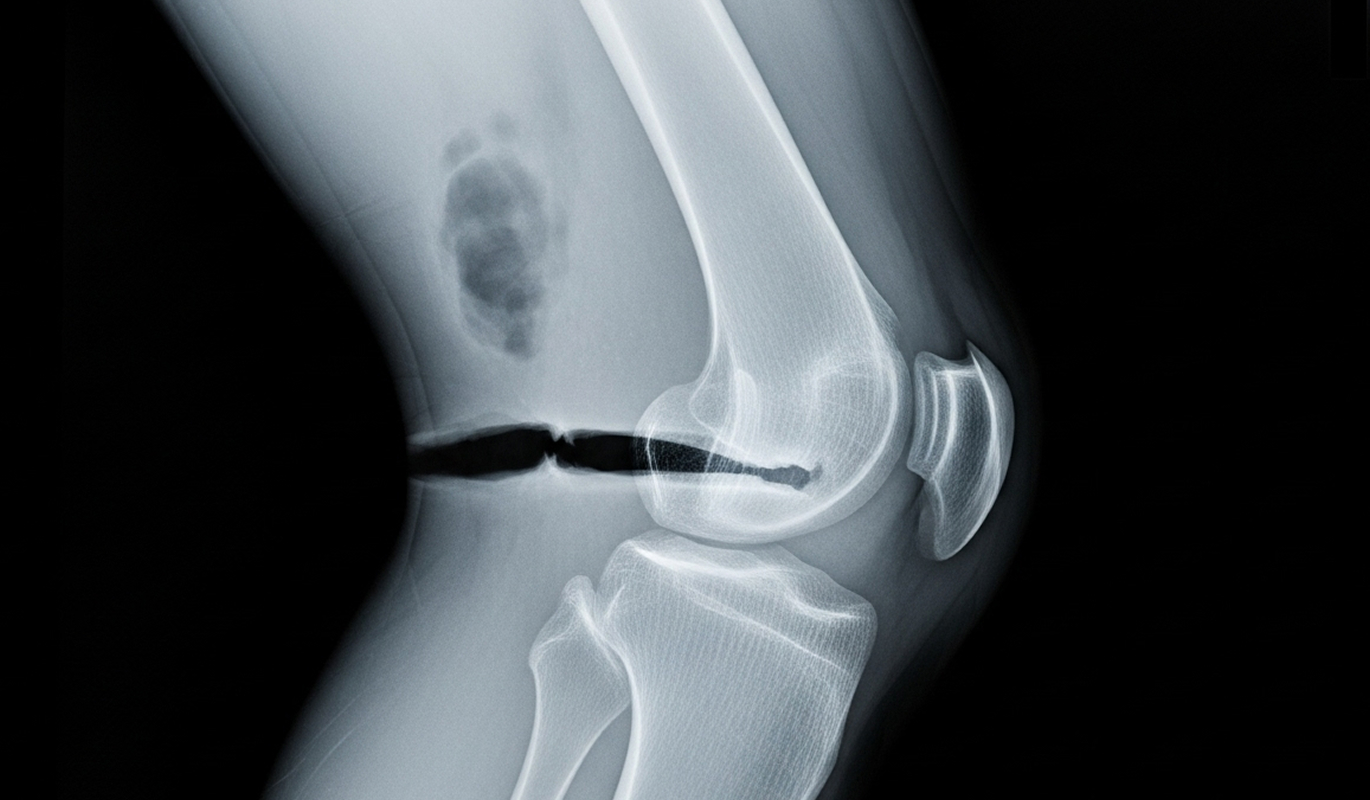
Because symptoms can be subtle, a specialist assessment is crucial. Dr Allom will discuss your injury, perform a physical examination (like the 'posterior drawer test'), and use an MRI to confirm the tear. The MRI is essential for grading the injury and checking for other damage to cartilage, meniscus, or other ligaments.

Conservative Non-Surgical Treatment

Conservative management is the most common starting point for Grade 1 and 2 isolated PCL injuries. The goal is to reduce pain, restore motion, and strengthen the muscles that support the knee.

The R.I.C.E. Protocol

In the first few days, this involves Rest, Ice, Compression, and Elevation to manage swelling and pain.

Physiotherapy

This is the most important part of non-surgical treatment. A physiotherapist will guide you through exercises to restore your range of motion and build strength in your quadriceps and hamstring muscles. Strong muscles can compensate for the torn ligament.

PCL Bracing

Dr Allom may recommend a special 'PCL-specific' brace. This brace helps to hold the tibia in the correct position and prevent it from sagging backward, which allows the ligament to heal under less tension.

Surgical Treatment - PCL Reconstruction

When is Surgery Recommended

Surgery is typically reserved for Grade 3 combined injuries or for Grade 2 tears that have failed conservative treatment and cause ongoing, functional instability. Dr Allom will also recommend surgery for active individuals who need to return to high-demand sports involving pivoting and cutting.

The PCL Reconstruction Procedure

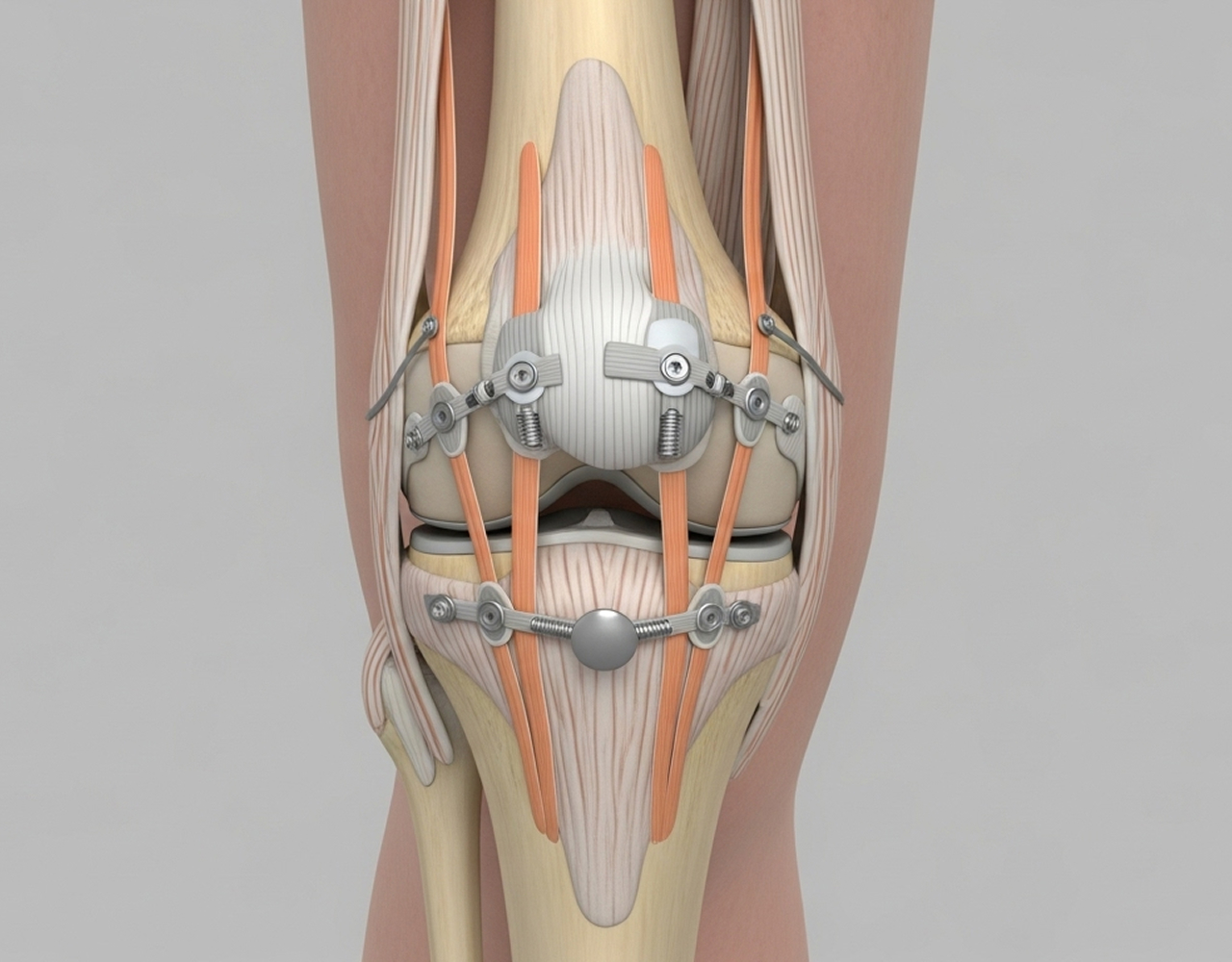
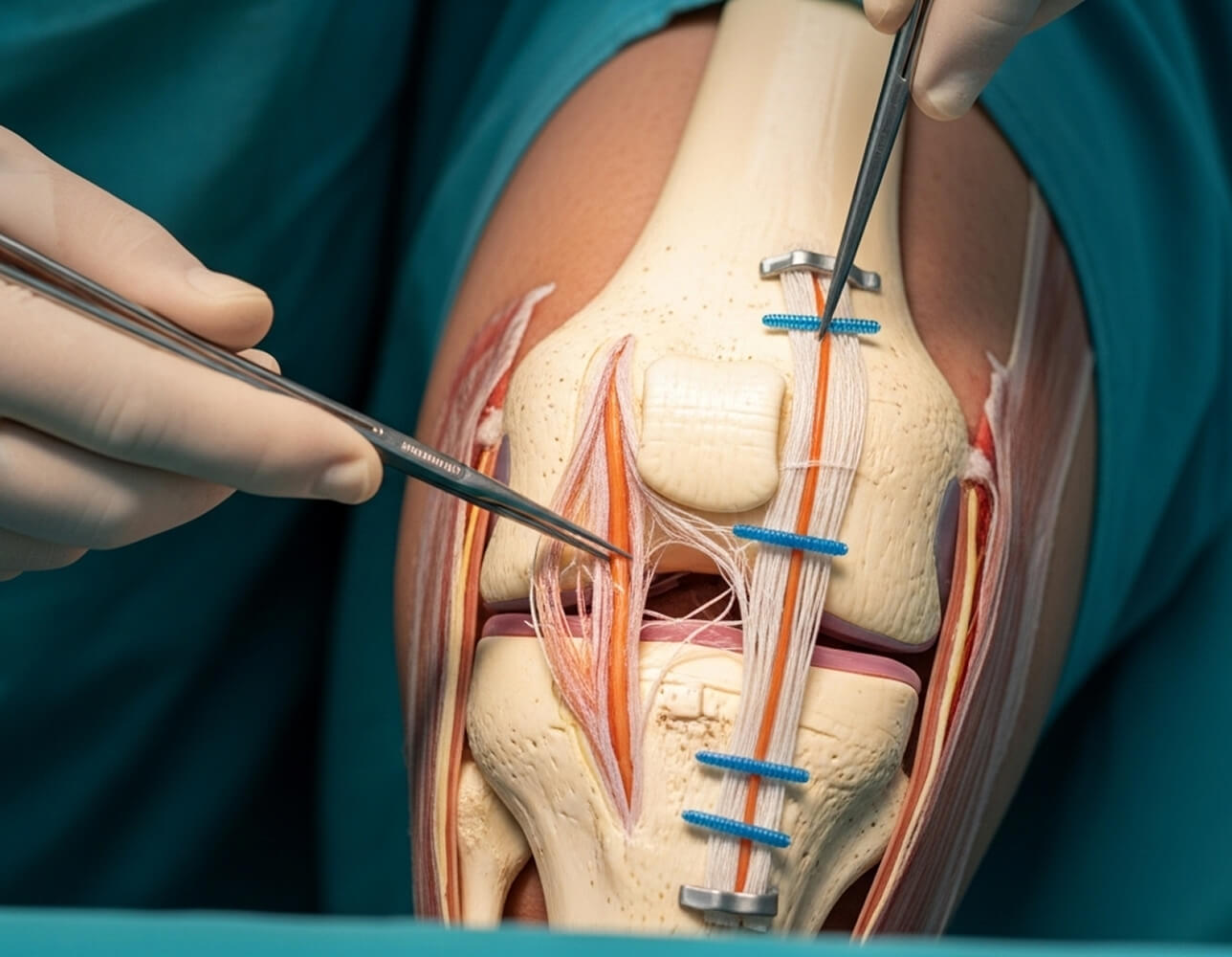
A simple repair (stitching the ligament) is not usually successful. Instead, Dr Allom performs a PCL reconstruction using keyhole (arthroscopic) techniques.

To rebuild the ligament, a new one must be created using a tissue graft. This is usually an autograft (using your own tissue, like the hamstring or quadriceps tendon) or sometimes an allograft (donor tissue). Dr Allom will secure the graft in place using specialised implants to create a new, stable ligament.

Recovery and Return to Sport

Recovery from PCL reconstruction is a gradual process that requires commitment to physiotherapy.
The timeline is generally slower than for an ACL reconstruction.

Initial Phase

0-6 Weeks

The focus is on protecting the new graft. You will use crutches and a PCL brace. Gentle motion exercises are started early to prevent stiffness.

Strengthening Phase

6 Weeks - 3 Months

As healing progresses, you will be allowed to put more weight on the leg. Physiotherapy will focus on 'closed-chain' exercises (like squats) to build quadriceps strength without stressing the graft.

Sport-Specific Training

4-6 Months

You can gradually start jogging, agility drills, and sport-specific training once your strength and balance have improved significantly.

Return to Sport

9-12 Months

A full return to contact sports or activities with heavy pivoting usually takes 9 to 12 months. This depends on you regaining full strength, confidence, and neuromuscular control in the knee.

Frequently Asked Questions

No. Most Grade 1 and 2 tears are treated successfully without surgery, using physiotherapy and bracing. Surgery is usually for severe, combined injuries or persistent instability.

This depends on the tear's severity and your lifestyle. Many people with low-grade tears can live normal lives. However, playing cutting or pivoting sports with an unstable knee can cause further damage to the meniscus and cartilage.

An untreated, unstable PCL tear can lead to chronic instability. This can cause recurrent 'giving way' episodes and, over time, increase the risk of developing osteoarthritis due to abnormal joint mechanics.

Full recovery and return to sport typically takes 9 to 12 months. This is longer than ACL recovery because the PCL graft needs more time to mature and heal under different forces.

Next Steps

If you have sustained a knee injury or are experiencing ongoing instability, a specialist assessment is the best way to get a clear diagnosis.

What to Bring: Please bring your referral letter, all relevant imaging studies (X-rays, CT scans, MRI if performed), and your list of current medications to your consultation.
Convenient Locations in Two Regions

I consult and operate from five locations, providing local access to subspecialist expertise without the need for long-distance travel.

South West Sydney Locations

Phone Number

04 3818 3832

Gledswood Hills

The George Centre, Suite 12, 1A The Hermitage Way

Campbelltown

Centric Park, Level 3, 4 Hyde Parade

Liverpool

Sydney South West Private Hospital, Suite 3.02, 24-40 Bigge Street

Mid North Coast Locations

Phone Number

02 6551 0722

Taree

Mayo Private Hospital Specialist Suites, 2 Potoroo Drive

Forster

Dolphin Suites Consulting Rooms, 33 Breckenridge Street

Related Information

ACL Injury
That pop you felt in your knee during the game. The rapid swelling.
Meniscal tears
A meniscal tear is one of the most common knee injuries and can happen to anyone.
Multiligament knee injury
A multiligament knee injury means you have damaged two or more of the main ligaments in your knee at the same time.
MCL Injury
Lorem ipsum dolor sit amet consectetur adipiscing elit, imperdiet taciti sollicitudin porta per.
Multiligament reconstruction
A complex surgery to rebuild two or more torn major knee ligaments, restoring stability after severe trauma.

Book Your Consultation

©2026 Dr Richard Allom. All rights reserved.

Oxford Knee Score Questionnaire

Please answer the following 12 questions about your knee, considering your symptoms over the past 4 weeks. Select one answer for each question.