Treatments

Total Knee Replacement

Total Knee Replacement Surgery by Dr Richard Allom

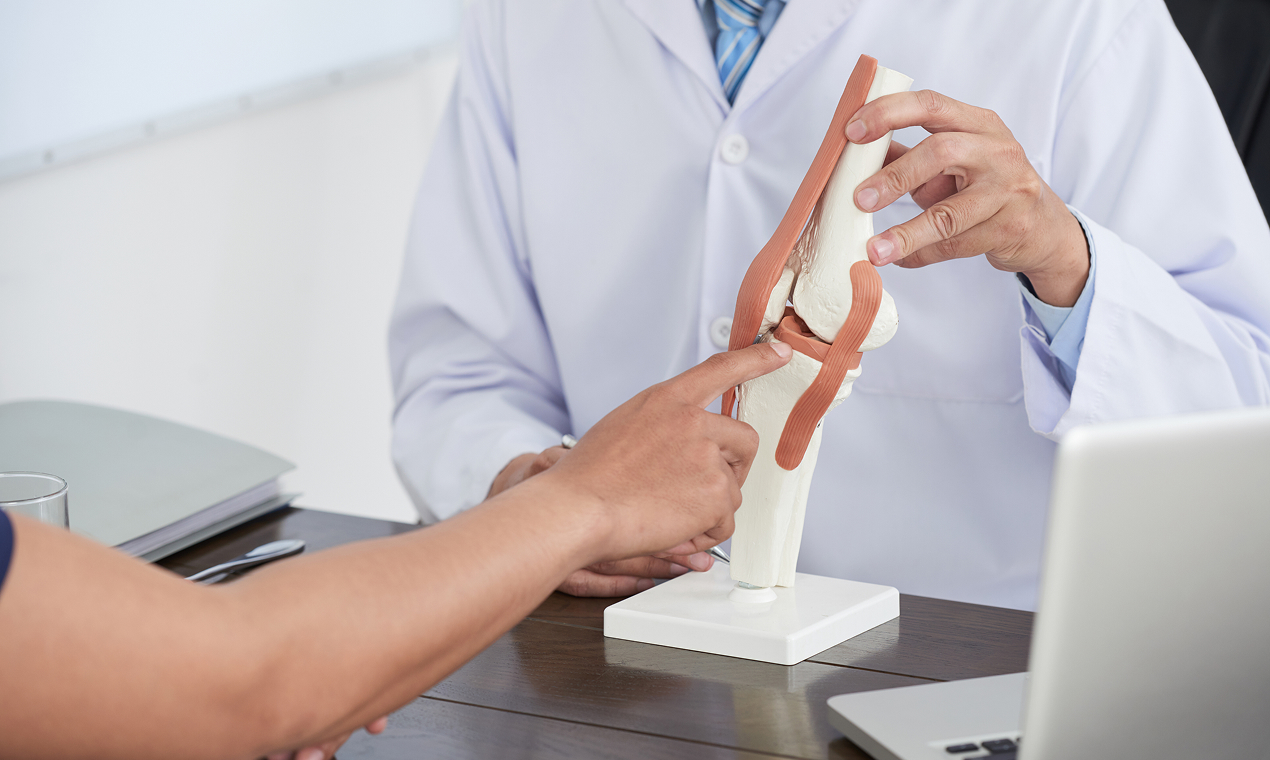
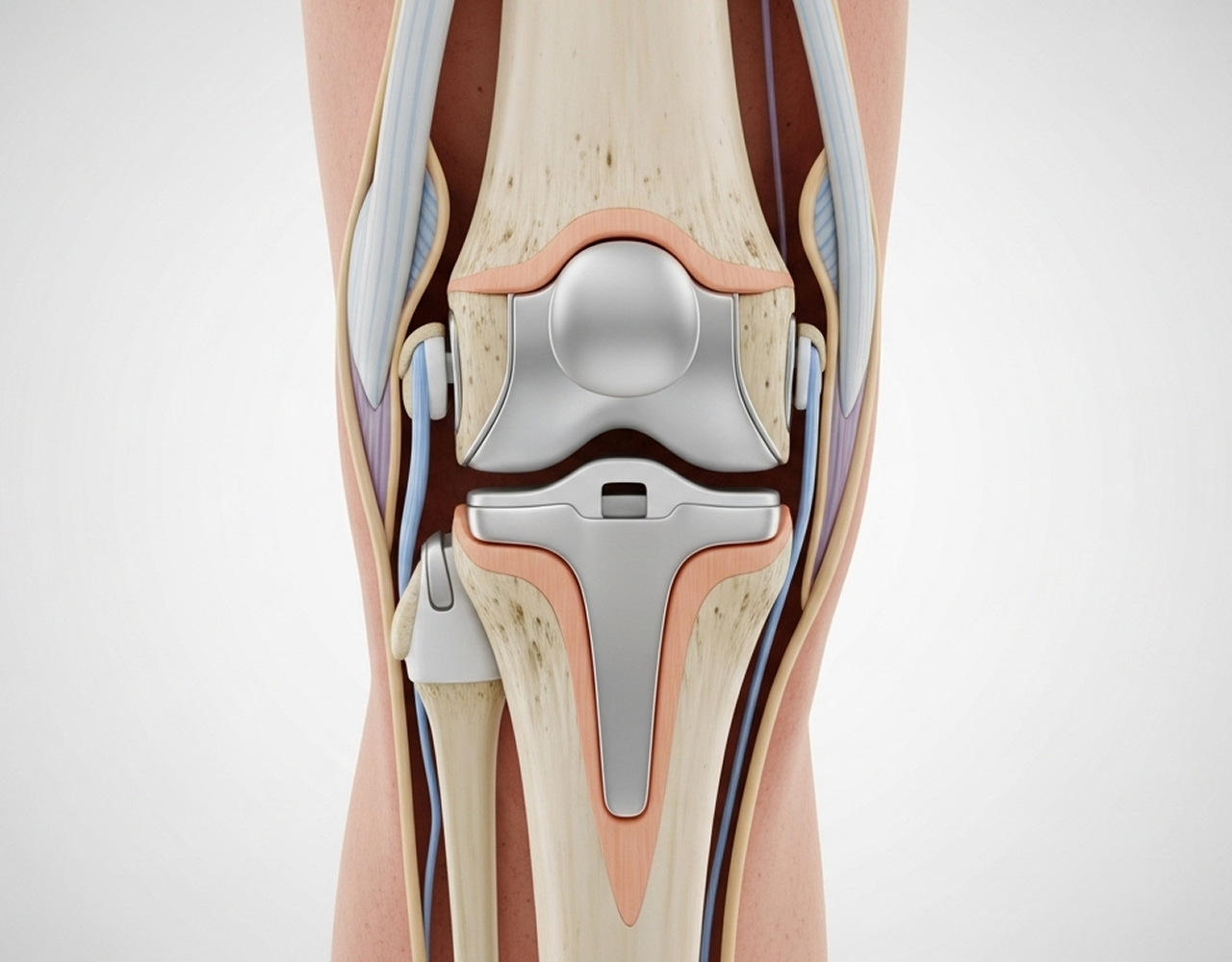
Total knee replacement (or total knee arthroplasty) is a highly successful surgical procedure to relieve the pain of severe knee arthritis. It involves resurfacing the damaged ends of the thigh and shin bones with prosthetic components, creating a new, smoothly functioning joint.

As a fellowship-trained knee subspecialist, Dr Richard Allom uses advanced techniques, including robotic-assistance and personalised alignment, to ensure the replacement fits your specific anatomy. The primary goal is to significantly reduce pain, restore movement, and improve your overall quality of life.

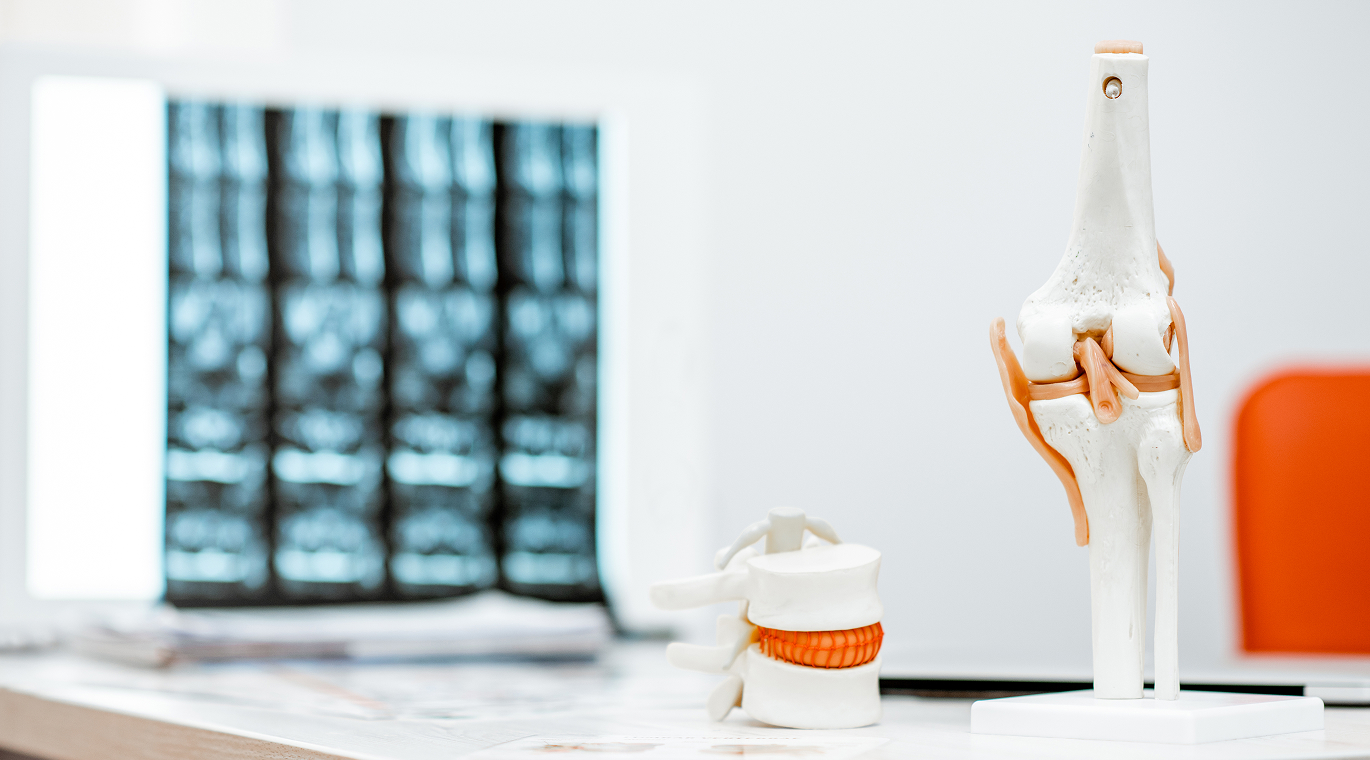
  • A proven solution for severe knee pain and stiffness, primarily from osteoarthritis.
  • Performed using modern techniques for greater precision and alignment.
  • Focuses on restoring function, allowing a return to walking, light exercise, and daily activities.

What is Total Knee Replacement?

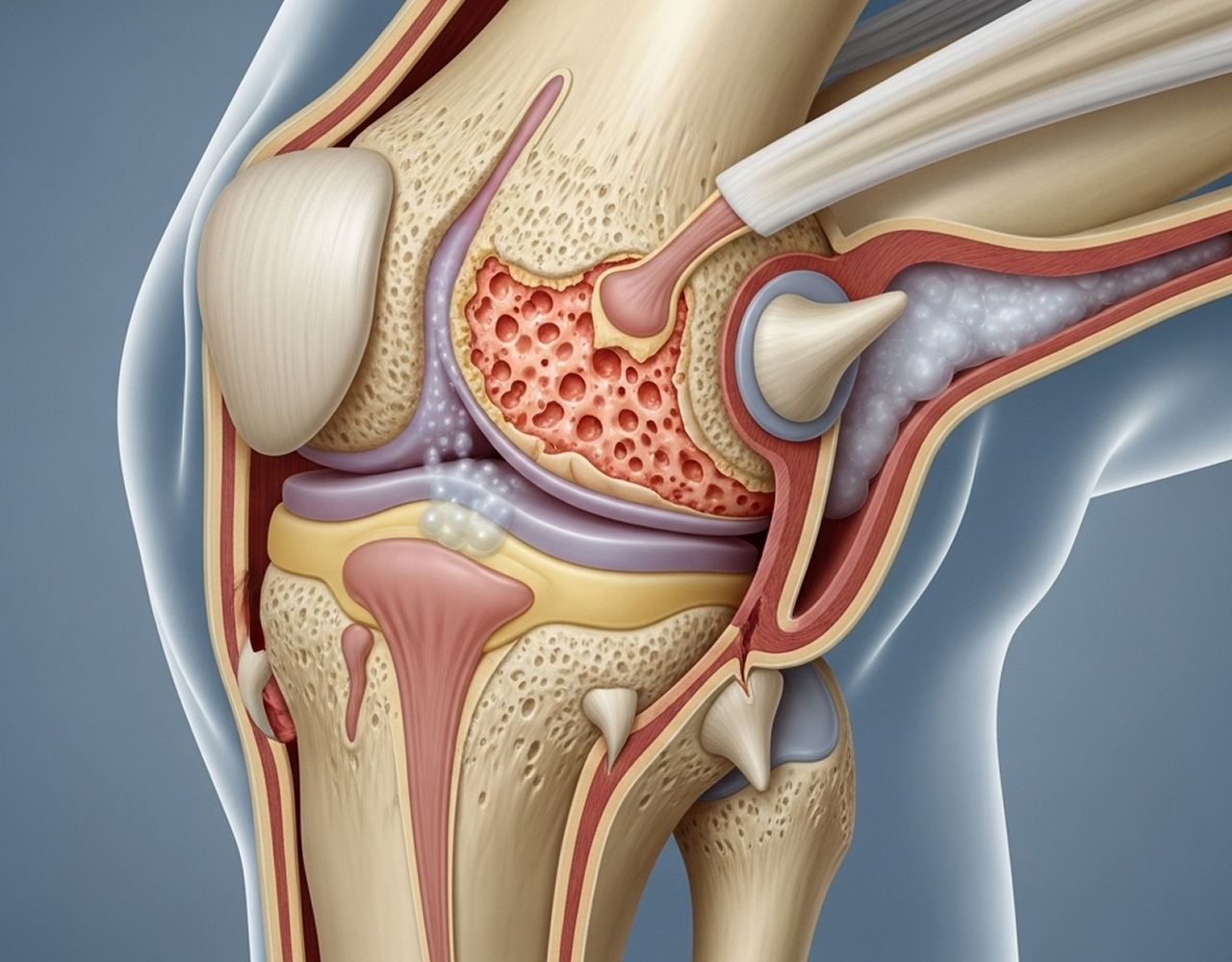
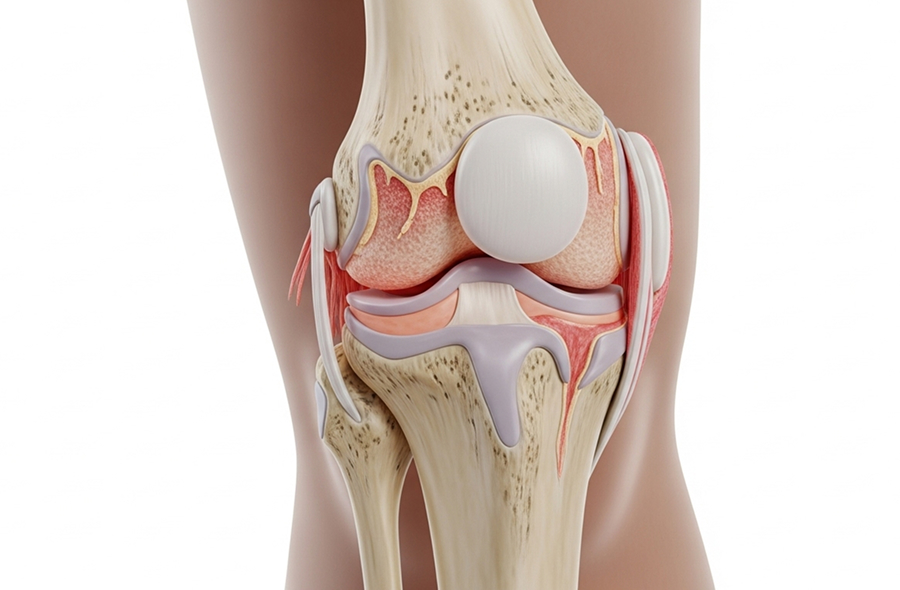
Total knee replacement is a surgical procedure. It replaces damaged or worn knee joint surfaces with artificial components (prostheses) made of metal and plastic. This surgery effectively addresses conditions such as:
  • Severe knee osteoarthritis. This is wear-and-tear arthritis causing bone-on-bone contact.
  • Rheumatoid arthritis and other inflammatory conditions affecting joint surfaces.
  • Post-traumatic arthritis. This can follow a knee injury or fracture.
  • Avascular necrosis. This involves bone death within the knee join
  • Severe knee deformity impacting quality of life and function.

How the Procedure Works

Total knee replacement typically involves four key steps:

Damaged Cartilage and Bone Removal

The worn cartilage and damaged bone surfaces are carefully removed from the femur (thigh bone), tibia (shin bone), and often the patella (kneecap). Precise bone cuts prepare smooth surfaces for the new implant components.

Prosthetic Component Placement

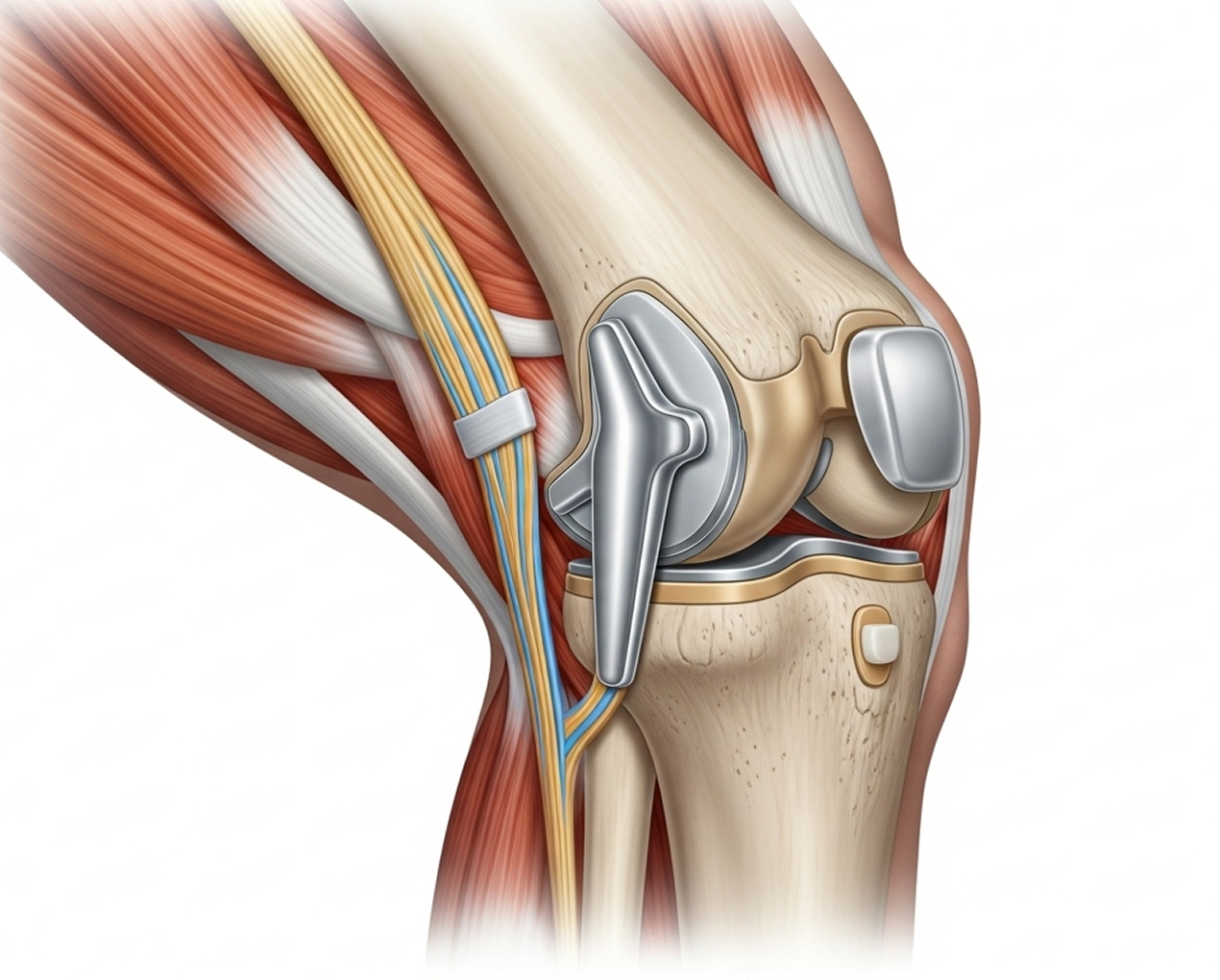
Metal components are attached to the prepared bone surfaces:

Femoral component

A curved metal surface attached to the thigh bone.

Tibial component

A flat metal platform attached to the shin bone.

Patellar component

A plastic button attached to the kneecap (if patellar resurfacing is performed). These components are usually secured using bone cement (cemented fixation). Sometimes, they rely on bone ingrowth (cementless fixation), depending on your bone quality and individual circumstances.

Plastic Bearing Insert

A smooth plastic (polyethylene) insert sits between the metal components. This creates a new gliding surface that replicates healthy knee joint function. Modern, highly cross-linked polyethylene materials are engineered for durability and excellent wear resistance.

Alignment and Stability Testing

Before closing the surgical incision, your knee is tested through its full range of motion. This ensures:
  • Proper alignment and leg straightening.
  • Stability through bending and straightening.
  • Smooth movement without catching or grinding.
  • Balanced soft tissue tension. Only when optimal function is confirmed is the surgery completed.

Key Evidence

Modern knee replacement implants are designed to last a long time. Many patients experience 15 to 20 years or more of pain-free function. The Australian Orthopaedic Association National Joint Replacement Registry reports that 90-95% of knee replacements are still functioning well at 10 years, and 85-90% at 15 years.

When is Knee Replacement Appropriate?

Not all patients with knee arthritis need surgery immediately. As part of my conservative-first approach, I recommend knee replacement only when certain criteria are met.

Conservative Treatment Has Been Exhausted

You have likely tried non-surgical management for several months (typically 3-6 months minimum). These options might include:
  • Physiotherapy and exercise therapy targeting knee strength and mobility.
  • Weight management to reduce stress on arthritic joints.
  • Anti-inflammatory medications (NSAIDs) and pain relievers.
  • Cortisone injections for temporary inflammation relief.
  • Hyaluronic acid injections to supplement joint lubrication.
  • Walking aids or knee braces to reduce joint load during activities.
  • Activity modification by adapting your lifestyle to manage symptoms.
If these conservative approaches provide inadequate relief, or their benefits diminish over time, surgery becomes a reasonable consideration.

Quality of Life is Significantly Impacted

Your knee pain and limitations are affecting your daily life. This might involve:

Daily activities

Difficulty walking, climbing stairs, standing from sitting, or standing for long periods.

Sleep quality

Pain disrupting rest and requiring night-time pain medication.

Work capacity

Reduced productivity or inability to perform job duties.

Hobbies and recreation

Giving up activities you once enjoyed like gardening, golf, or travel.

Family participation

Missing grandchildren's activities or family events.

Social engagement

Feeling isolated due to mobility limitations.
When knee pain changes from occasional discomfort to a persistent limitation affecting multiple areas of your life, surgery may restore your quality of life.

Imaging Confirms Severe Arthritis

X-rays or an MRI show signs of advanced arthritis. These signs include:
  • Severe joint space narrowing. Bone-on-bone contact may be visible on X-ray.
  • Significant cartilage loss throughout the joint compartments.
  • Osteophyte formation. These are bone spurs indicating chronic degeneration.
  • Joint deformity. This could be a varus ("bow-legged") or valgus ("knock-kneed") alignment.
  • Subchondral sclerosis (bone thickening) and cyst formation.
It's important that clinical symptoms align with imaging findings. Some people have severe X-ray changes but minimal symptoms. Others experience significant pain with only moderate imaging changes. Surgery is usually considered when both your symptoms and imaging indicate advanced disease.

You Are Motivated for Recovery

A successful knee replacement requires your active participation. This means:

Commitment to post-operative physiotherapy

This involves 3-6 months of progressive rehabilitation.

Realistic expectations about the recovery timeline

Optimal function typically takes 3-6 months.

Understanding limitations

Pain relief is generally excellent, but the replaced knee won't feel identical to a healthy, pre-arthritic knee.

Willingness to modify activities

Some high-impact sports might need replacing with lower-impact alternatives to protect the implant long-term.

"Am I Too Young for Knee Replacement?"

Age alone isn't the deciding factor. While most knee replacements happen in patients aged 60-75, younger people (in their 50s or even 40s) can benefit significantly when:
  • Quality of life is severely impacted.
  • Conservative management has genuinely failed
  • You understand the realistic implant longevity (15-20+ years, potentially requiring revision surgery later).
  • Joint preservation options (like partial knee replacement or osteotomy) have been considered and aren't suitable.
I'll discuss your individual circumstances, activity goals, and implant longevity expectations. This helps you make an informed decision about the right timing. Delaying surgery unnecessarily can mean years of preventable pain. However, premature surgery in younger patients might increase the likelihood of needing revision later in life.

Dr Allom's Approach:
Personalised Alignment Surgery

Tailored to Your Unique Anatomy

Traditional knee replacement often used "mechanical alignment". This aimed to create the same neutral leg alignment for every patient, regardless of their natural anatomy before arthritis. However, recent research shows that your knee anatomy is unique. Forcing everyone into an identical alignment can sometimes reduce satisfaction and function.

What is Personalised Alignment?

Personalised alignment approaches, including kinematic alignment and functional alignment, aim to respect your individual anatomy. The goals are to:
  • Restore your natural knee alignment. This isn't a standardised "ideal" but aims to replicate your alignment before arthritis developed.
  • Recreate your individual joint line position. This refers to how your knee was positioned naturally.
  • Preserve natural soft tissue tension. This means balancing the ligaments specifically for your biomechanics.
  • Optimise knee kinematics. This helps restore natural movement patterns unique to you.
Personalised alignment approaches, including kinematic alignment and functional alignment, aim to respect your individual anatomy. The goals are to:

Benefits of Personalised Alignment

Research demonstrates potentially improved outcomes compared to traditional mechanical alignment:

Higher Patient Satisfaction Scores

Studies suggest 85-90% of patients report being "very satisfied" with personalised alignment, compared to 75-80% with traditional mechanical alignment. This potential 10-15% improvement can mean better outcomes for many patients.

More Natural Feeling Knee

Patients often describe the knee feeling "more like my own" rather than artificial. This natural sensation can enhance confidence during activities and reduce the feeling of "awareness" of the replaced knee.

Improved Functional Outcomes

Studies suggest better performance in activities like stair climbing, kneeling, squatting, and sports. Functional improvement questionnaires (like the Oxford Knee Score, WOMAC, KSS) demonstrate potentially superior results with personalised alignment.

Reduced Post-Operative Pain

Alignment that respects natural anatomy may reduce soft tissue stress and ligament tension. This could potentially reduce early post-operative discomfort and improve rehabilitation progress.

How Personalised Alignment is Achieved

Using robotic-assisted surgery and advanced imaging, personalised alignment can be executed with great precision:

Pre-Operative CT Scan

A CT scan creates a detailed 3D model of your knee anatomy. This measures your natural limb alignment before arthritis, joint line orientation, bone size and shape, and rotational alignment.

Surgical Planning Software

Advanced software designs personalised bone cuts that respect your natural alignment. I review this surgical plan before your operation, adjusting for individual factors and your treatment goals.

Robotic Guidance

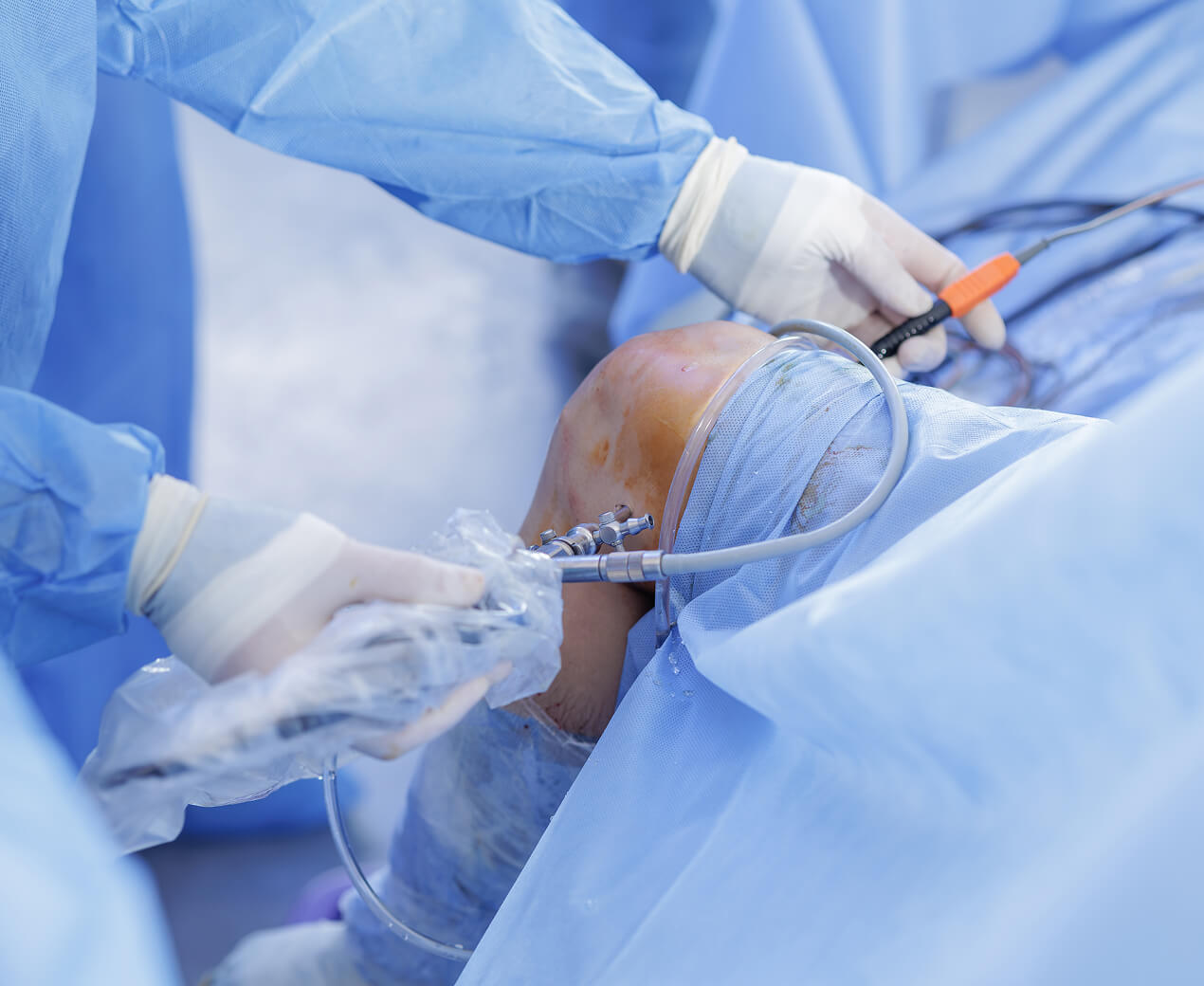
During surgery, the robotic system helps ensure precise execution of the personalised plan. It offers sub-millimetre accuracy in bone cuts, provides real-time feedback confirming alignment targets, and helps prevent outliers (misaligned components).

Intra-Operative Assessment

Before finalising the implant position, I test the knee's range of motion, stability, ligament balance, and patellar tracking. Only when optimal function is confirmed does the surgery proceed to closure.

Considerations for Personalised Alignment

While personalised alignment shows excellent results, the primary considerations are the surgeon's experience and the technology required.

This approach demands specific subspecialist training and access to advanced robotic systems to execute the 3D-planned, patient-specific cuts accurately. This is an evolution of traditional techniques, and its successful implementation is highly dependent on the surgeon's expertise in the system.

Not every surgeon offers personalised alignment techniques. My subspecialist training and robotic surgery expertise enable me to provide this cutting-edge approach, potentially enhancing outcomes for my patients.
Robotic-Assisted Knee Replacement

I use robotic-assisted technology to potentially enhance precision and personalisation in knee replacement surgery.

How Robotic Surgery Works

Pre-Operative Planning

A CT scan creates a detailed 3D model of your knee. This allows precise surgical planning before entering the operating theatre, identifying optimal component size, position, and alignment targets.

Intra-Operative Guidance

The robotic arm guides bone preparation with sub-millimetre accuracy. This helps ensure precise cuts and implant positioning. Haptic boundaries can prevent deviation from the surgical plan, enhancing reproducibility.

Real-Time Feedback

The computer system provides continuous feedback on alignment, component positioning, soft tissue tension, ligament balance, joint stability, and range of motion. This real-time data allows for intra-operative adjustments to optimise the final alignment.

Surgeon Control

I remain in complete control throughout the procedure. The robot is a precision tool that enhances my ability to execute the surgical plan accurately. It isn't an autonomous system. Surgical judgement, experience, and intra-operative decision-making remain critical.

Benefits of Robotic-Assisted Surgery

Robotic assistance offers several potential benefits:

Precision Implant Positioning

Reduces alignment outliers and malposition, which can affect long-term outcomes. Offers consistent accuracy across patients, regardless of anatomy complexity.

Personalised Alignment Execution

Enables reliable delivery of personalised alignment tailored to your anatomy. Manual techniques can have higher variability; robotic assistance enhances reproducibility.

Soft Tissue Preservation

May minimise bone and ligament trauma through precise, controlled bone preparation. Less collateral damage could enhance early recovery.

Consistent Reproducibility

Helps ensure every patient receives precise surgical technique execution. Reduces potential surgeon variability and supports technical excellence.

Enhanced Long-Term Implant Survival

Proper alignment and positioning may extend implant life. Malpositioned components are a leading cause of early failure; robotic precision may reduce this risk.

The Surgical Process:
What to Expect

Understanding the process can help you feel more prepared.

Before Surgery

Pre-Operative Assessment

This includes medical clearance from your GP or physician confirming fitness for surgery, an anaesthesia consultation to discuss options, and pre-admission testing like blood tests or an ECG if required. Your medications will also be reviewed, especially blood thinners or anti-inflammatories.

Pre-Operative Optimisation

Getting your health in the best shape before surgery reduces complication risks. This involves weight management (even modest loss helps), good diabetes control (HbA1c <7%), stopping smoking 4-6 weeks prior (improves healing), treating dental infections, and "prehabilitation" exercises to improve strength.

Pre-Operative Education

You'll learn about the procedure, recovery expectations, and how to prepare your home. Understanding the process helps ensure a smoother experience.

Day of Surgery

Admission

You'll typically arrive at the hospital about 2 hours before your scheduled surgery time for final checks, consent signing, preparation, and meeting the surgical and anaesthetic team.

Anaesthesia

Options usually include spinal anaesthesia (numbing from the waist down, often preferred) or general anaesthesia (complete unconsciousness). Nerve blocks might be used for additional pain relief. You'll discuss the best option with your anaesthetist.

Surgery Duration

The procedure itself typically takes 1 to 2 hours. Complex cases might take longer.

Post-Operative Recovery

After surgery, you'll be monitored in the recovery room for 1-2 hours. Pain management starts immediately, and early mobilisation (getting moving) is encouraged, sometimes beginning the same day.

Hospital Stay

Duration

Most patients stay in the hospital for 2 to 4 days. Your individual progress, pain control, home support, age, and medical history will influence the exact length of stay.

Physiotherapy

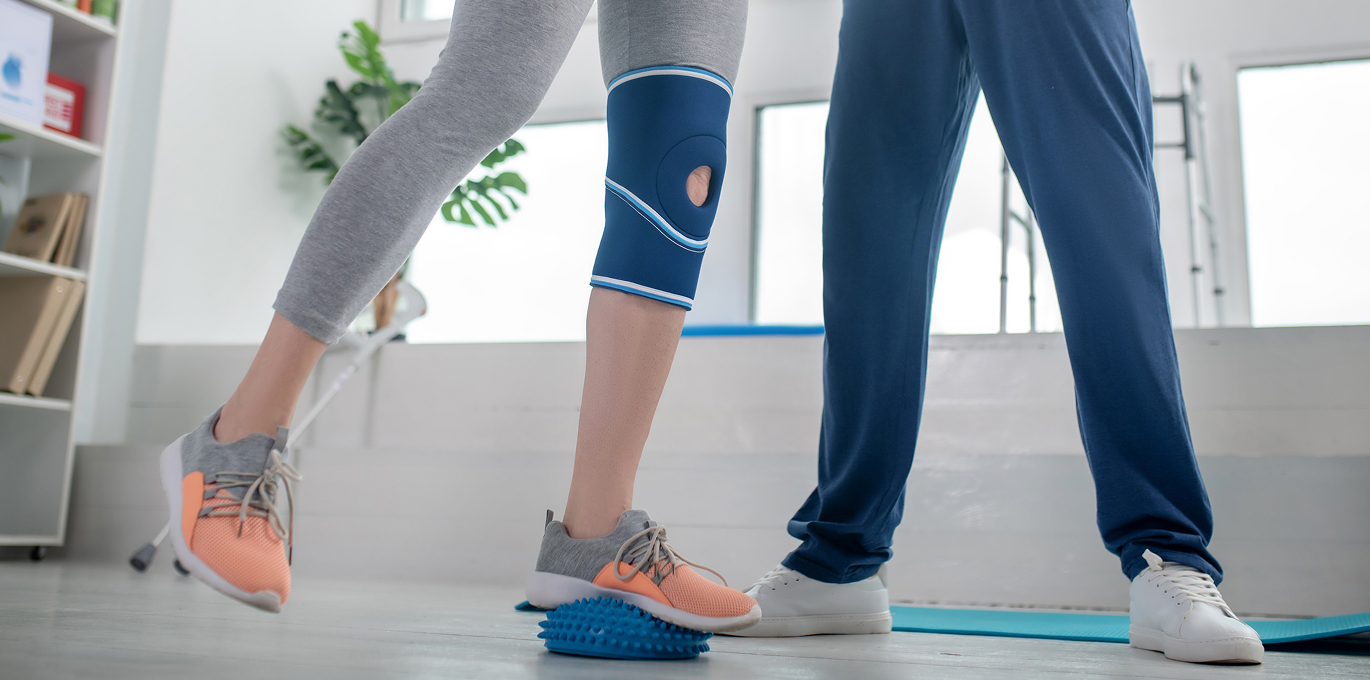
This crucial part of recovery begins very early, often the day of or the day after surgery. It includes gentle exercises in bed, sitting out of bed, standing with a frame, walking short distances with aid, and practising stairs if needed for home.

Pain Management

A multimodal approach is used. This includes oral pain medications (paracetamol, opioids, anti-inflammatories), local anaesthetic infusion around the knee, ice application, elevation, and nerve blocks (which wear off over 12-48 hours). Pain is typically most significant in the first few days and improves progressively.

Discharge Planning

Before you go home, the team ensures you can move safely. Your home safety is assessed, medications are prescribed and explained, and follow-up appointments (GP, surgeon, physiotherapist) are arranged. You'll also learn about warning signs requiring attention.

Recovery Timeline & What to Expect

Knee replacement recovery is a gradual process. Knowing what to expect can help you prepare mentally and physically. Your commitment is key.

Early Recovery

Week 1-2

  • Hospital to Home Transition: You'll likely go home with a walking aid (walker, crutches, or cane). Focus on wound care (keeping it clean and dry), infection prevention, and managing pain with prescribed medications. Perform gentle exercises like ankle pumps, quad sets, and straight leg raises multiple times daily. Use ice and elevate your leg frequently to reduce swelling.
  • Activities: Walk short distances around your home. Perform your prescribed exercises 3-4 times daily. Sleep with your leg elevated on pillows. Manage pain and swelling proactively.
  • Common Experiences: Expect surgical site discomfort, managed with pain medication. Swelling and bruising around the knee and lower leg are normal and improve over weeks. Stiffness, especially after rest, is also common and improves with exercises.

Increasing Mobility

Week 3-6

  • Physiotherapy Focus: Attend outpatient physiotherapy 2-3 times weekly. Engage in progressive strengthening exercises (using resistance bands or light weights). Work on improving your range of motion (goal: 0-110+ degrees of bend). Practise gait training and gradually reduce reliance on your walking aid.
  • Activities: Walk longer distances (10-15 minutes). Manage stairs with handrail support. Resume light household activities like meal preparation. Shower independently once your wound is fully healed.
  • Milestones: You'll likely reduce walking aid dependence, perhaps transitioning to a cane or walking unaided for short distances. Driving an automatic car may be possible (typically 4-6 weeks for right knee, 2-3 weeks for left). Return to office-based work is often feasible around 4-6 weeks.

Functional Restoration

Month 2-3

  • Physiotherapy Focus: Progress to advanced strengthening and balance training. Practise functional activities like using stairs without a handrail, squatting, and tolerating kneeling. Build endurance with longer walks or stationary cycling.
  • Activities: Walk for 20-30 minutes or more continuously. Return to most daily activities like shopping, gardening, and travel. Return to physical work may be possible (6-12 weeks, depending on demands). Start light recreational activities like swimming or cycling.
  • Milestones: Achieve independent mobility without walking aids. Experience significant pain relief (most patients feel 70-80% better than before surgery). Resume hobbies and social activities.

Optimal Function

Month 3-6

  • Continued Improvement: Your strength will continue to build. Swelling gradually resolves. The knee often starts to feel more natural. Your confidence in performing activities increases.
  • Activities: Engage in all daily activities without limitation. Enjoy low-impact sports like golf, doubles tennis, or lawn bowls. Travel and actively participate in family life (like playing with grandchildren). Fully return to physical work if applicable.
  • Expected Outcomes: Achieve 85-90% pain relief compared to pre-surgery levels. Enjoy improved mobility and a better quality of life. Feel satisfied with the decision to have surgery.

Long-Term Adaptation

Month 6-12

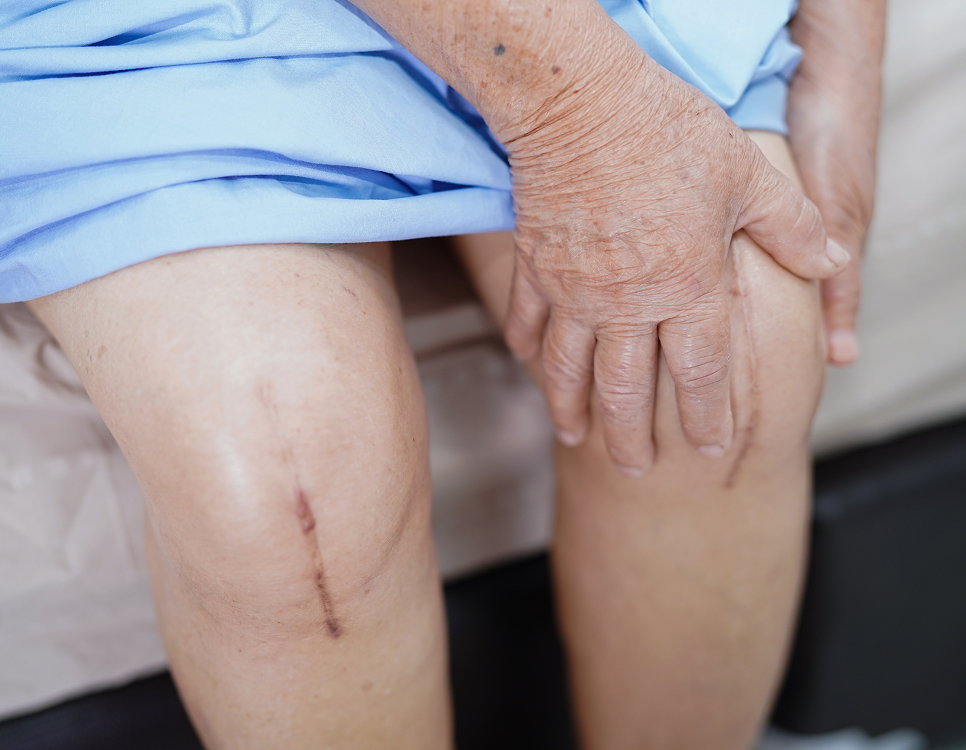
  • Final Recovery Phase: You may notice continued subtle improvements in strength and function. Your scar will mature and soften. You'll adapt fully to your new knee in various situations.
  • Long-Term Expectations:Most patients achieve their maximum benefit by 12 months. Annual follow-up appointments help monitor the implant and your function. Maintaining an active lifestyle with appropriate activity modifications is key.

Important Note

Recovery timelines vary between individuals. Factors affecting recovery include your age, overall fitness, pre-operative knee condition, commitment to physiotherapy, other health conditions, and your occupation or activity demands.

Recovery Commitment

"Successful knee replacement requires your active participation in rehabilitation. Physiotherapy exercises, while sometimes uncomfortable, are essential for achieving the best possible outcome. Patients who commit fully to their exercise programme generally experience better function and higher satisfaction levels."

Risks and Complications

Like all surgical procedures, knee replacement carries risks. It's important you understand these potential issues. I discuss them comprehensively during your consultation to ensure you can make an informed decision.

Common Risks (Occur in 1-5% of patients)

Infection

This can be a superficial wound infection or a deeper infection around the implant (prosthetic joint infection), which may require further surgery. Prevention involves antibiotics, sterile surgical techniques, and infection screening before surgery.

Blood Clots

Deep vein thrombosis (DVT) is a clot in the leg veins. A pulmonary embolism (PE) occurs if a clot travels to the lungs. Prevention includes blood-thinning medications, compression stockings, and early mobilisation after surgery.

Stiffness

Some patients experience limited range of motion despite physiotherapy. This may require manipulation under anaesthetic. Prevention focuses on aggressive early physiotherapy and appropriate implant sizing during surgery.

Persistent Pain

A small percentage of patients (5-10%) experience ongoing discomfort after healing. The causes are investigated (e.g., infection, loosening, component malposition) and managed accordingly.

Less Common Risks (Occur in <1% of patients)

  • Nerve or blood vessel injury during surgery.
  • Fracture around the implant during surgery or later (e.g., due to falls).
  • Implant loosening or wear over the long term, potentially requiring revision surgery.
  • Allergic reaction to implant materials (rare, e.g., nickel allergy).
  • A feeling of leg length discrepancy (actual anatomical difference is uncommon).

Risk Minimisation Strategies

I employ multiple strategies to reduce complication risks:

Pre-Operative Optimisation

Comprehensive medical assessment, infection screening (dental, urinary, skin), medication management, and optimising your health before surgery.

Surgical Technique

Meticulous surgical technique, minimally invasive approaches where appropriate, robotic precision, and careful soft tissue handling.

Infection Prevention

Intravenous antibiotic prophylaxis, laminar flow operating theatres, dedicated orthopaedic surgical environments, and strict sterile protocols.

Thrombosis Prevention

Blood-thinning medications (aspirin, rivaroxaban, enoxaparin), compression stockings, pneumatic compression devices, and encouraging early mobilisation.

Enhanced Recovery Protocols

ERAS protocols use evidence-based interventions to optimise healing, reduce complications, improve pain control, and facilitate faster recovery.

Realistic Expectations

While risks exist, total knee replacement is one of the most successful procedures in orthopaedic surgery. National registry data shows that 90-95% of patients experience excellent pain relief and improved function lasting 10 years or more.

Why Choose Dr Allom for Your Knee Replacement

Choosing the right surgeon is crucial. My practice offers several key advantages:

Knee Subspecialist Expertise

My practice focuses exclusively on knee surgery, unlike generalist orthopaedic surgeons who treat all joints. Performing hundreds of knee replacements annually builds deep expertise and refined surgical judgement.

Advanced Surgical Techniques

  • Robotic-assisted surgery for enhanced precision and personalisation.
  • Personalised alignment approaches (kinematic/functional alignment) tailored to your anatomy.
  • Minimally invasive techniques where appropriate.
  • Expertise in complex primary arthroplasty for significant deformity or bone loss.

Two-Region Accessibility

  • South West Sydney: Convenient local access without needing to travel to the CBD (Gledswood Hills, Campbelltown, Liverpool).
  • Mid North Coast: Subspecialist care locally, avoiding the 3.5-hour Sydney travel (Taree, Forster).

Evidence-Based Practice

Treatment decisions are grounded in current research evidence. My active contribution to orthopaedic literature and commitment to clinical outcomes tracking ensure you receive cutting-edge, proven care.

Comprehensive Patient Education

I prioritise clear explanations in accessible language, setting realistic expectations, and supporting informed decision-making throughout your journey.

Collaborative Care

I maintain strong relationships with GPs, physiotherapists, and rehabilitation providers. This ensures coordinated recovery support throughout your journey.

Frequently Asked Questions

Here are answers to some common questions about knee replacement:

Modern knee replacement implants are designed to last 15 to 20 years or more. The Australian National Joint Replacement Registry reports 90-95% are functioning well at 10 years, and 85-90% at 15 years. Factors affecting longevity include your age at surgery (younger patients might eventually need revision), activity level, weight, surgical technique precision, and implant type.

Pain is managed using a multimodal approach (spinal anaesthesia, nerve blocks, oral medications). Most patients find post-operative discomfort manageable with prescribed pain relief. The first 2-3 days are typically the most uncomfortable, improving progressively. Long-term, 85-90% of patients experience significant pain relief compared to their pre-surgery arthritis pain.

Many patients can kneel after knee replacement, though it might feel different. Kneeling tolerance varies and improves with time and physiotherapy. It's not harmful to the implant to kneel. Any discomfort is usually related to soft tissue sensitivity around the kneecap, not implant damage.

Low-impact activities are generally encouraged: swimming, cycling, golf, doubles tennis, lawn bowls, hiking, dancing. Activities acceptable with caution include skiing (downhill), low-impact aerobics, and rowing. High-impact activities like running, contact sports, singles tennis, and high-impact aerobics are generally discouraged to preserve implant longevity. I provide personalised activity guidance based on your goals and circumstances.

Costs vary depending on your private health insurance coverage, hospital choice, and individual factors. As a private orthopaedic surgeon, I accept Medicare and private health insurance rebates. Gap fees apply. I provide transparent cost estimates during consultation, and my practice manager assists with insurance verification and financial planning.

This depends on the extent and location of your arthritis:
  • Unicompartmental knee replacement is appropriate when arthritis affects only one compartment (medial or lateral), your ACL ligament is intact, and deformity is minimal (<10 degrees).
  • Total knee replacement is recommended when arthritis affects multiple compartments or the entire knee, the ACL is deficient, or significant deformity exists. I assess your individual situation using clinical examination and imaging to recommend the most appropriate procedure.

Next Steps

If knee pain is significantly affecting your quality of life, a specialist assessment can determine if total knee replacement is the right option for you.

What to Bring: Please bring your referral letter, all relevant imaging studies (X-rays, CT scans, MRI if performed), and your list of current medications to your consultation.
Convenient Locations in Two Regions

I consult and operate from five locations, providing local access to subspecialist expertise without the need for long-distance travel.

South West Sydney Locations

Phone Number

04 3818 3832

Gledswood Hills

The George Centre, Suite 12, 1A The Hermitage Way

Campbelltown

Centric Park, Level 3, 4 Hyde Parade

Liverpool

Sydney South West Private Hospital, Suite 3.02, 24-40 Bigge Street

Mid North Coast Locations

Phone Number

02 6551 0722

Taree

Mayo Private Hospital Specialist Suites, 2 Potoroo Drive

Forster

Dolphin Suites Consulting Rooms, 33 Breckenridge Street

Related Information

Osteoarthritis of the knee
Osteoarthritis (OA) is the most common type of knee arthritis in Australia.
Rheumatoid Arthritis
An autoimmune condition where your body's immune system mistakenly attacks the lining of your joints
Patellofemoral Arthritis
Patellofemoral arthritis affects the joint between your kneecap (patella) and the thighbone (femur).
Failed knee replacement
A knee replacement can sometimes fail over time, causing pain or instability, but expert revision surgery offers a solution.
Robotic knee replacement
Uses computer navigation alongside a robotic arm to help the surgeon perform the knee replacement procedure with millimetre-level precision.
Revision knee replacement
Uses computer navigation alongside a robotic arm to help the surgeon perform the knee replacement procedure with millimetre-level precision.
Osteotomy surgery
A precise, joint-preserving surgery designed for active patients with one-sided knee arthritis.

Book Your Consultation

©2026 Dr Richard Allom. All rights reserved.

Oxford Knee Score Questionnaire

Please answer the following 12 questions about your knee, considering your symptoms over the past 4 weeks. Select one answer for each question.