CONDITIONS

Multiligament Knee Injury

Multiligament Knee Injury:
Subspecialist Management of Complex Knee Trauma

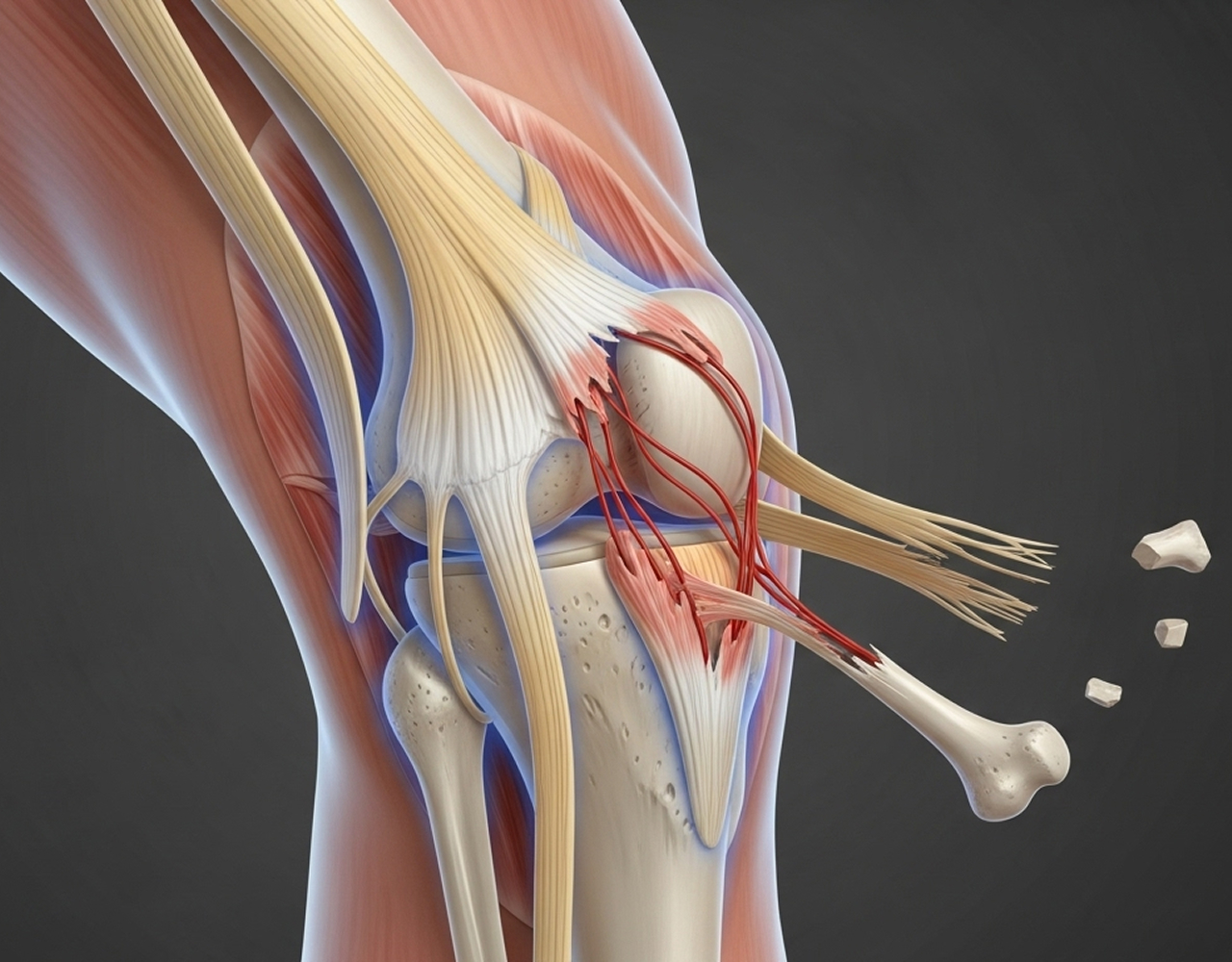
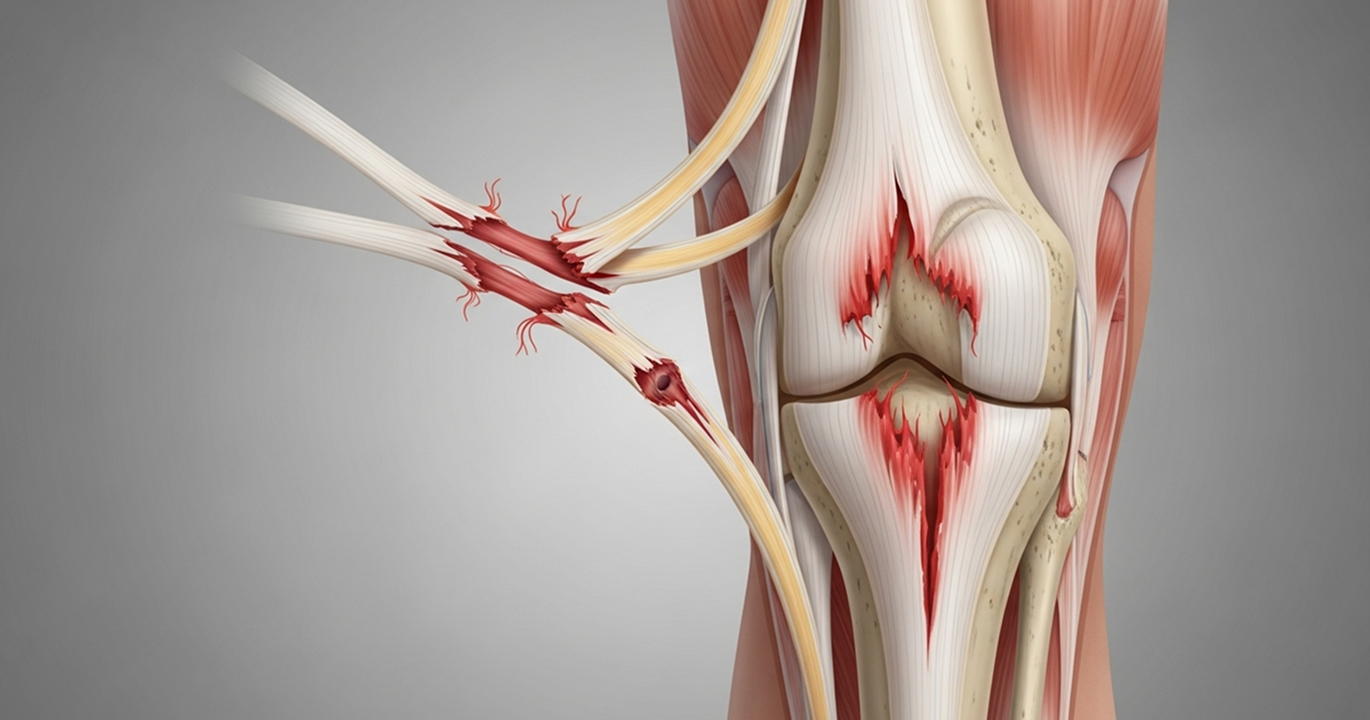
A multiligament knee injury (MLKI) is a severe, complex injury where two or more of the knee's main ligaments are torn. It is often caused by major trauma, such as a knee dislocation, and is considered a medical emergency due to the high risk of artery and nerve damage.

Diagnosis

Requires urgent emergency assessment to check for artery and nerve damage, followed by an MRI scan to identify all torn structures.

Treatment

Surgical reconstruction by a subspecialist surgeon is the standard treatment required to restore stability to the knee.

Recovery

Rehabilitation is an extensive process, typically lasting 12 to 18 months, to regain movement, strength, and function.
As a subspecialist knee surgeon, Dr Richard Allom provides expert, advanced management for these challenging injuries. He handles all stages, from urgent assessment to complex reconstruction and long-term recovery planning.

What is a Multiligament Knee Injury

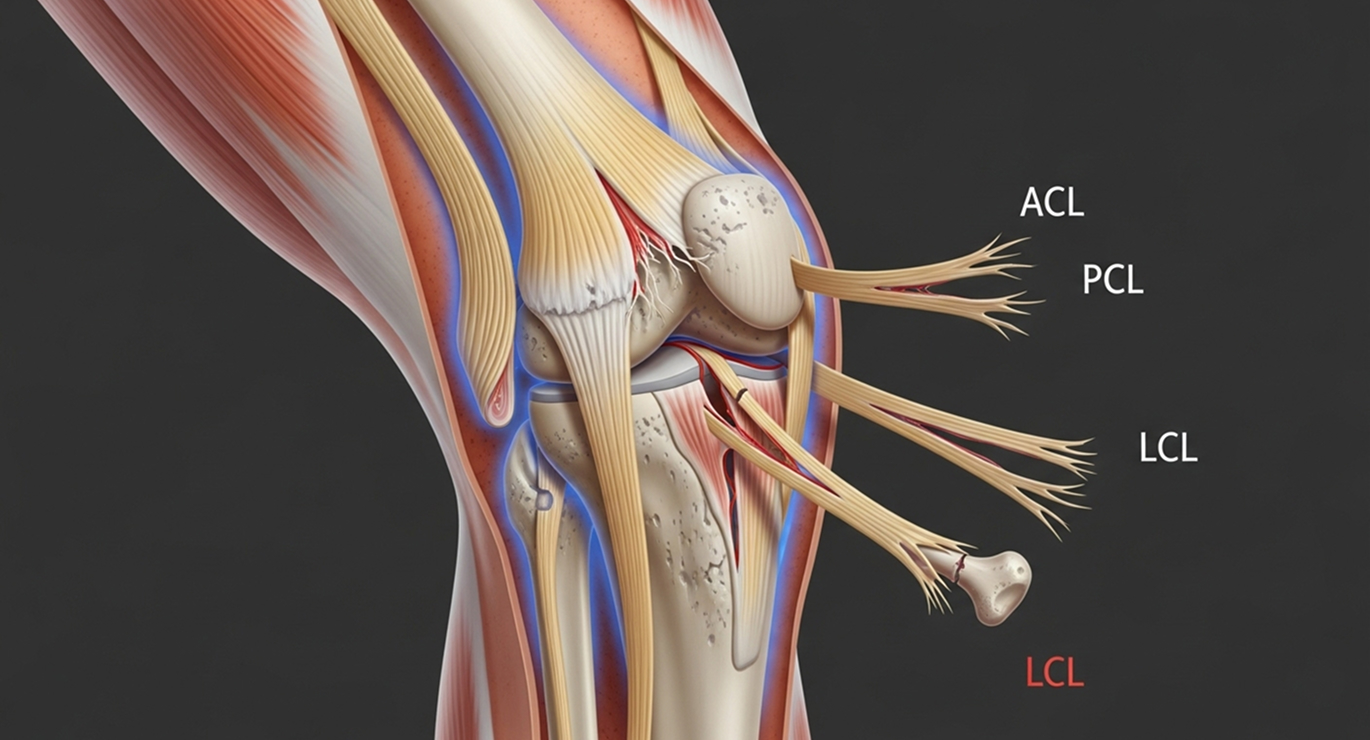
A multiligament knee injury (MLKI) means you have damaged two or more of the main ligaments in your knee at the same time. These injuries are severe and often complicated. They need careful management by a surgeon with specific experience in complex knee problems.

The Four Major Knee Ligaments

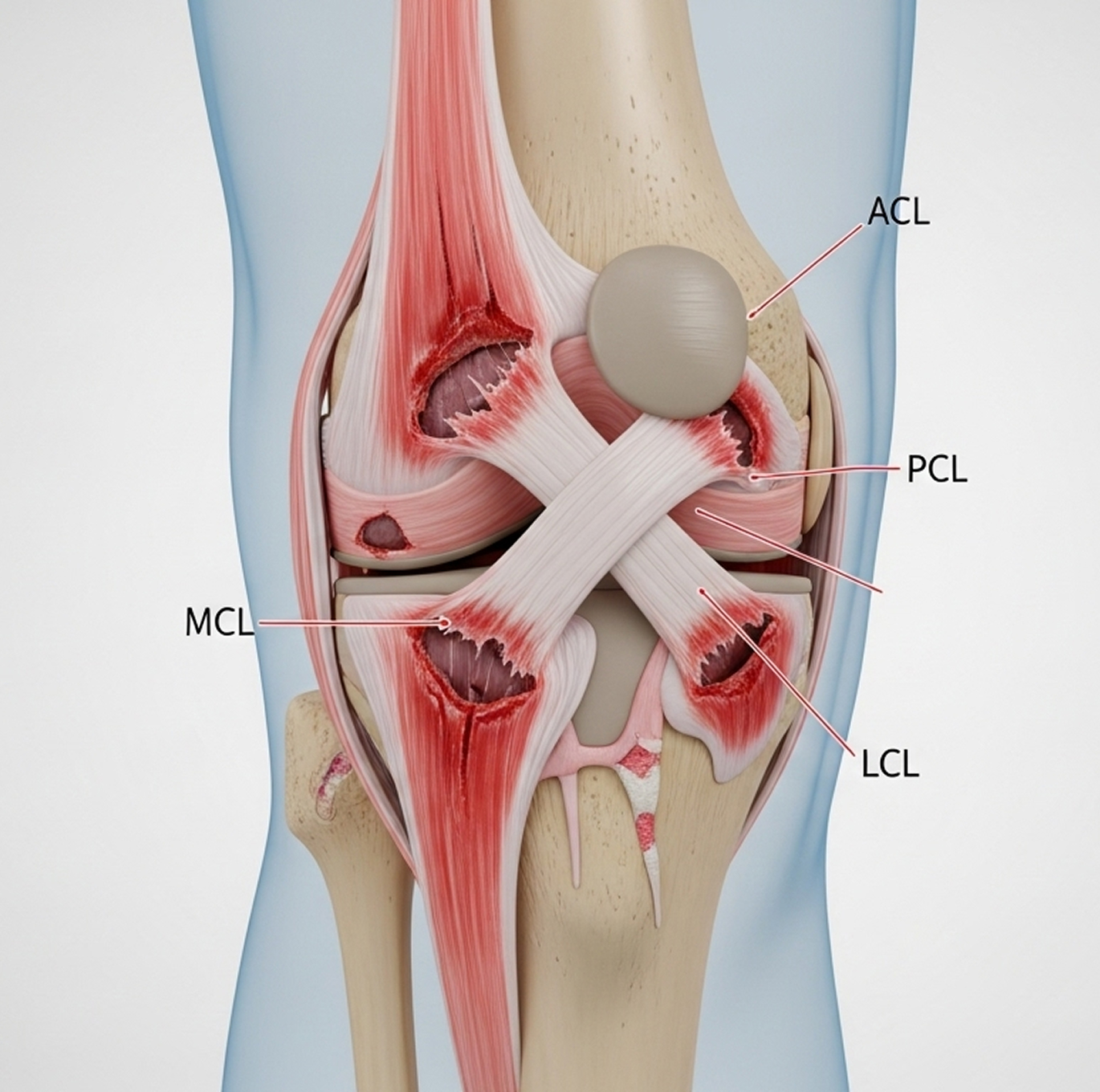
Your knee relies on four key ligaments for stability:

Anterior Cruciate Ligament (ACL)

Helps stop your shin bone (tibia) sliding too far forward and controls rotation.

Posterior Cruciate Ligament (PCL)

Stops your shin bone sliding too far backward. It's the strongest ligament in the knee.

Medial Collateral Ligament (MCL)

Found on the inner side of your knee, it resists forces pushing the knee inwards. It often heals well.

Lateral Collateral Ligament (LCL) & Posterolateral Corner (PLC):

Located on the outer side, these structures resist forces pushing the knee outwards.
A multiligament injury occurs when at least two of these ligament groups are torn simultaneously, usually due to major trauma.

How Common are Multiligament Knee Injuries

These injuries are rare but serious:
  • They make up less than 0.5% of all knee injuries.
  • Around 30-50% of knee dislocations involve damage to multiple ligaments.
  • Men are affected about four times more often than women.
  • They often occur in people aged 20-40, an age group frequently involved in high-energy activities.

How Multiligament Injuries Occur

These severe injuries usually result from significant force or trauma to the knee.

High-Energy Trauma Mechanisms

Common causes include:

Motor Vehicle Accidents (40-50%)

Such as dashboard impacts or collisions involving pedestrians.

Sports Trauma (30-40%)

High-speed tackles in sports like rugby or football, skiing accidents, or falls during activities like mountain biking.

Falls from Height (10-15%)

Often related to work accidents or significant falls during sport or recreation.

Assault or Crush Injuries (5-10%)

Direct, forceful impact to the knee or accidents involving heavy machinery.

Knee Dislocation

A knee dislocation happens when the thigh bone (femur) and shin bone (tibia) completely separate. This is closely linked to multiligament injuries:
  • Almost all knee dislocations (95-100%) result in damage to multiple ligaments.
  • Sometimes, the knee joint might slip back into place on its own before you get medical help. This is called spontaneous reduction.
  • Knee dislocations carry a high risk of damaging the main artery behind the knee (popliteal artery)

It is crucial to understand: even if your knee looks like it's back in a normal position after a suspected dislocation, severe ligament damage may still be present. Any potential knee dislocation needs urgent assessment by a specialist
Classification and Severity

Multiligament knee injuries are categorised based on which ligaments are torn. The Schenck classification system (KD-I to KD-V) helps surgeons understand the injury pattern:
KD-I
One cruciate ligament (ACL or PCL) plus one collateral ligament (MCL or LCL). ACL + MCL tears are common in this group and tend to have a better outlook.
KD-II
Both cruciate ligaments (ACL and PCL) are torn, but the collateral ligaments are intact.
KD-III
Either the ACL or PCL is torn, along with both collateral ligaments (MCL and LCL). These are highly complex and cause major instability.
KD-IV
All four major ligaments are torn. This is the most severe pattern, leading to complete knee instability. Reconstruction often needs to be done in stages.
KD-V
A multiligament injury combined with a fracture around the knee joint. This is the most complex type. The fracture usually needs fixing before the ligaments can be reconstructed.

Severity Factors

How severe the injury depends on several factors:
  • The number of ligaments damaged.
  • Whether the popliteal artery behind the knee is injured.
  • If there is nerve damage, particularly to the common peroneal nerve.
  • The presence and type of associated fractures
  • The extent of damage to surrounding soft tissues.
  • How quickly the injury is assessed and treated.

Emergency Assessment and Complications

Suspected multiligament knee injuries require immediate medical attention in an emergency department. Some complications can be life-threatening or limb-threatening.

Life-Threatening and Limb-Threatening Complications

Vascular Injury (Most Critical Concern)

Damage to the popliteal artery occurs in 5-40% of knee dislocations. If not identified and treated urgently, it can lead to limb loss. Assessment includes checking pulses and measuring the ankle-brachial index (ABI). A CT angiogram (a special scan of the blood vessels) is needed if the ABI is abnormal or pulses are weak. Urgent vascular surgery consultation is required if an artery injury is confirmed.

Nerve Injury

The common peroneal nerve is most often affected (15-35% of cases). Damage to this nerve causes 'foot drop' – the inability to lift the foot upwards. This can be temporary or permanent. Early recognition helps in discussing the potential long-term outlook.

Compartment Syndrome

This happens when swelling inside the muscle compartments of the lower leg cuts off blood supply. It requires emergency surgery (fasciotomy) to release the pressure. Fast action is vital to prevent permanent muscle damage.

Emergency Management

Initial steps in the emergency department include:
  1. Neurovascular Examination
    Checking pulses, sensation, and muscle function in the leg and foot.
  2. Ankle-Brachial Index (ABI):
    Measurement to assess blood flow to the lower leg.
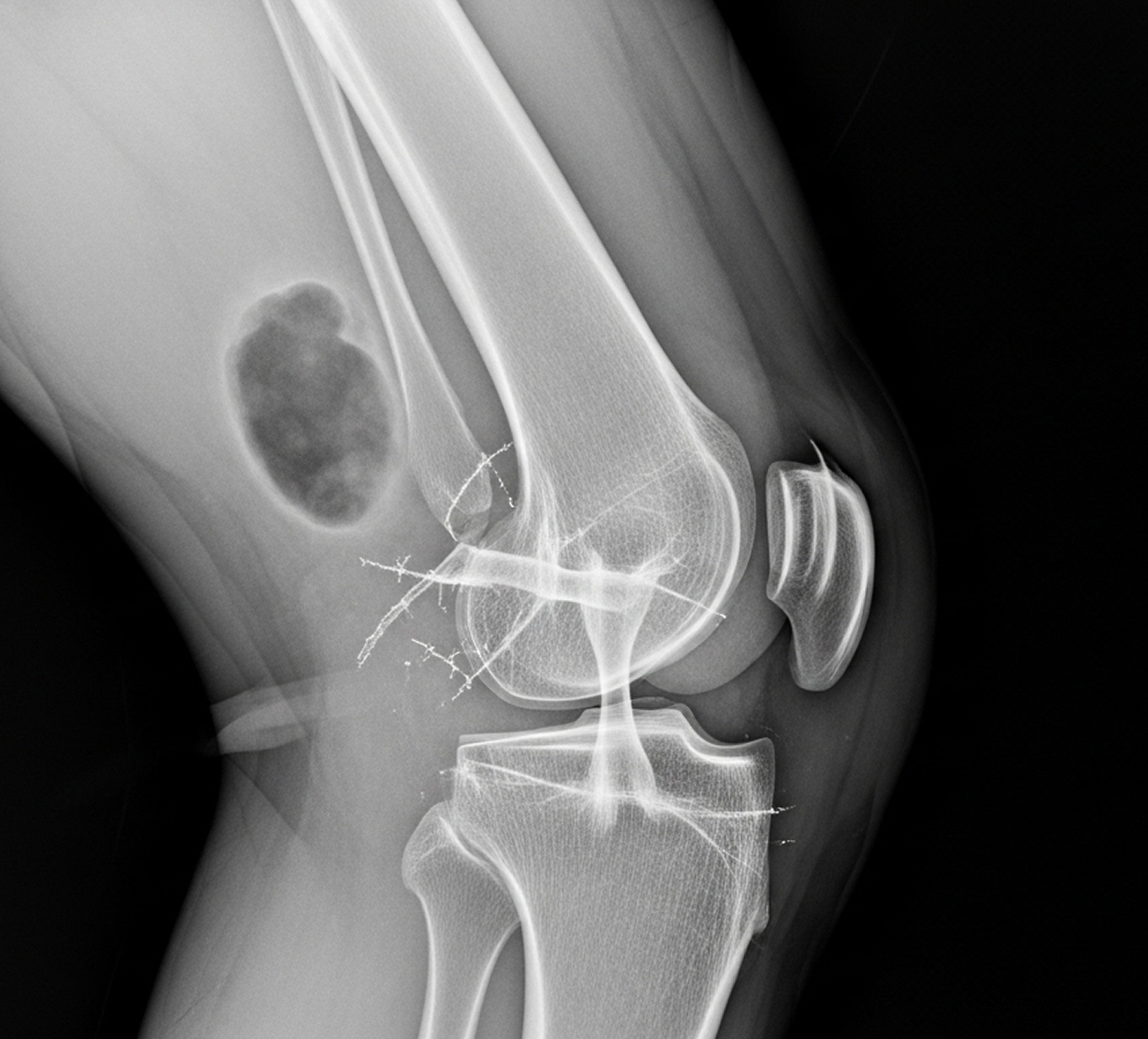
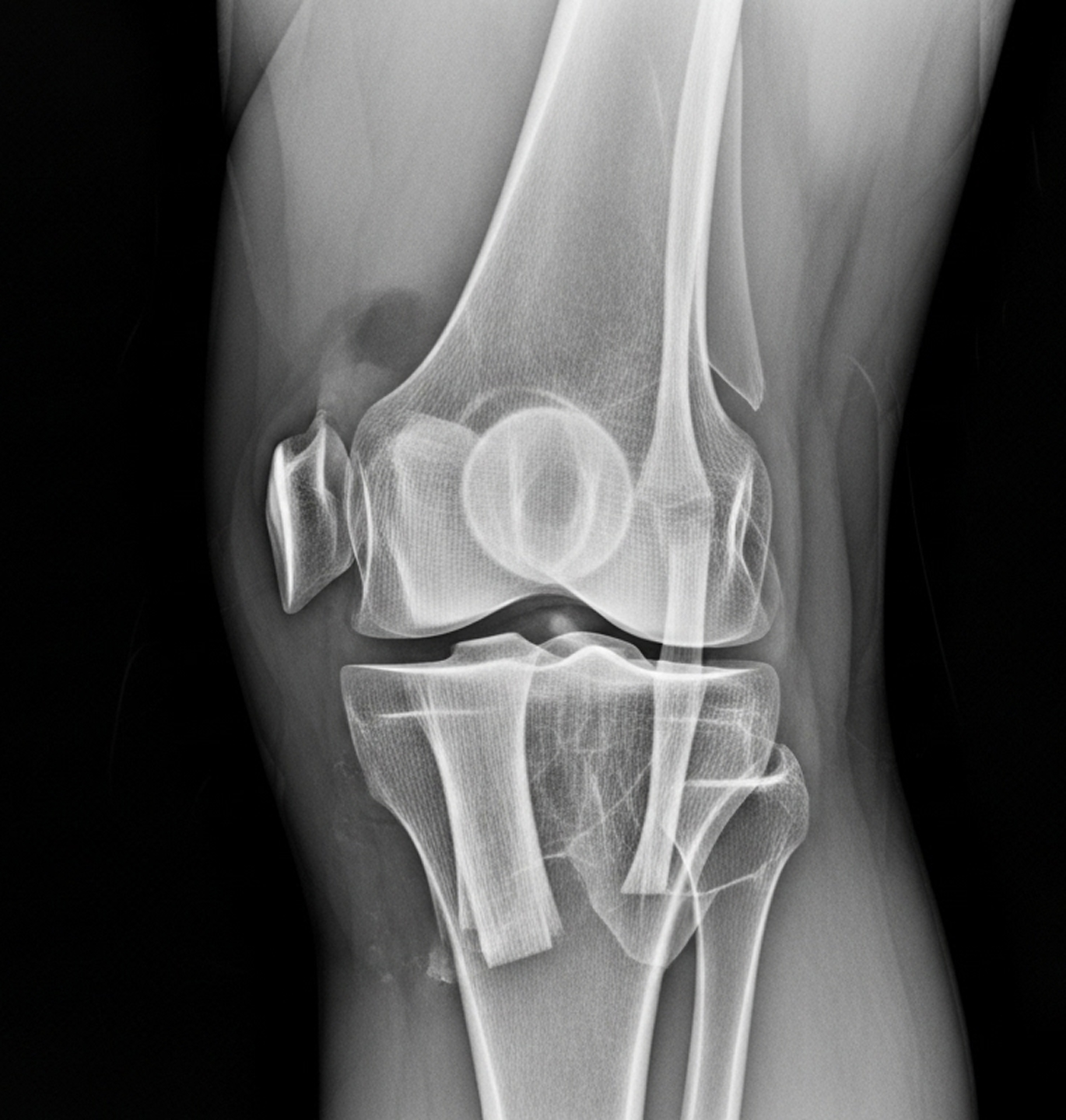
  3. X-rays
    To look for fractures and check if the knee joint is aligned correctly.
  4. Reduction
    If the knee is still dislocated, it needs to be put back into place gently.
  5. Immobilisation
    The knee is stabilised using a brace or splint.
  6. Vascular Imaging
    CT angiogram if there's any concern about artery damage.
  7. Orthopaedic Consultation
    Urgent referral to an orthopaedic specialist.

Red Flags: Absent or weak pulses, a cold pale foot, severe increasing pain, rapidly expanding bruising, loss of sensation or movement, or a visibly dislocated knee all require immediate action.
Expert Evaluation for Complex Knee Injuries

Accurate diagnosis and evidence-based management are critical for optimal recovery after a multiligament knee injury. Arrange a consultation with Dr Allom to discuss the best path forward for your knee.

Diagnosis and Imaging

Once the knee is stabilised and any urgent complications are addressed, a detailed assessment is needed to understand the full extent of the ligament damage.

Clinical Examination (After Stabilisation)

A specialist orthopaedic surgeon will perform tests to check the stability of each ligament. These include the Lachman test (for ACL), posterior drawer test (for PCL), valgus stress test (for MCL), varus stress test (for LCL), and dial test (for PLC).

However, pain and swelling can make it difficult to get an accurate assessment straight away. Often, a thorough examination under anaesthesia (EUA) is needed just before surgery to confirm exactly which structures are damaged.

Imaging Studies

X-Rays

Always the first imaging test. They show fractures, bone chips pulled off by ligaments (avulsion injuries), and confirm if the knee joint is correctly aligned.

MRI Scanning

This is the best imaging method for diagnosing multiligament injuries. MRI clearly shows which ligaments are torn, any damage to the meniscus (cartilage pads), and injuries to complex structures like the posterolateral or posteromedial corners. It is essential for planning surgery.

CT Angiography

Used specifically if vascular injury is suspected. It provides detailed images of the popliteal artery to check for damage.

Treatment Approach

The treatment plan for a multiligament knee injury is tailored to the individual, considering the specific ligaments torn, associated injuries, and the patient's functional goals.

Conservative vs Surgical Management

Conservative Treatment

Non-surgical management is rarely suitable for multiligament injuries due to the severe instability they cause. It might only be considered for older patients with very low physical demands or those with significant health problems that make surgery too risky. Outcomes without surgery are generally poor, with high rates of ongoing instability and early arthritis.

Surgical Reconstruction

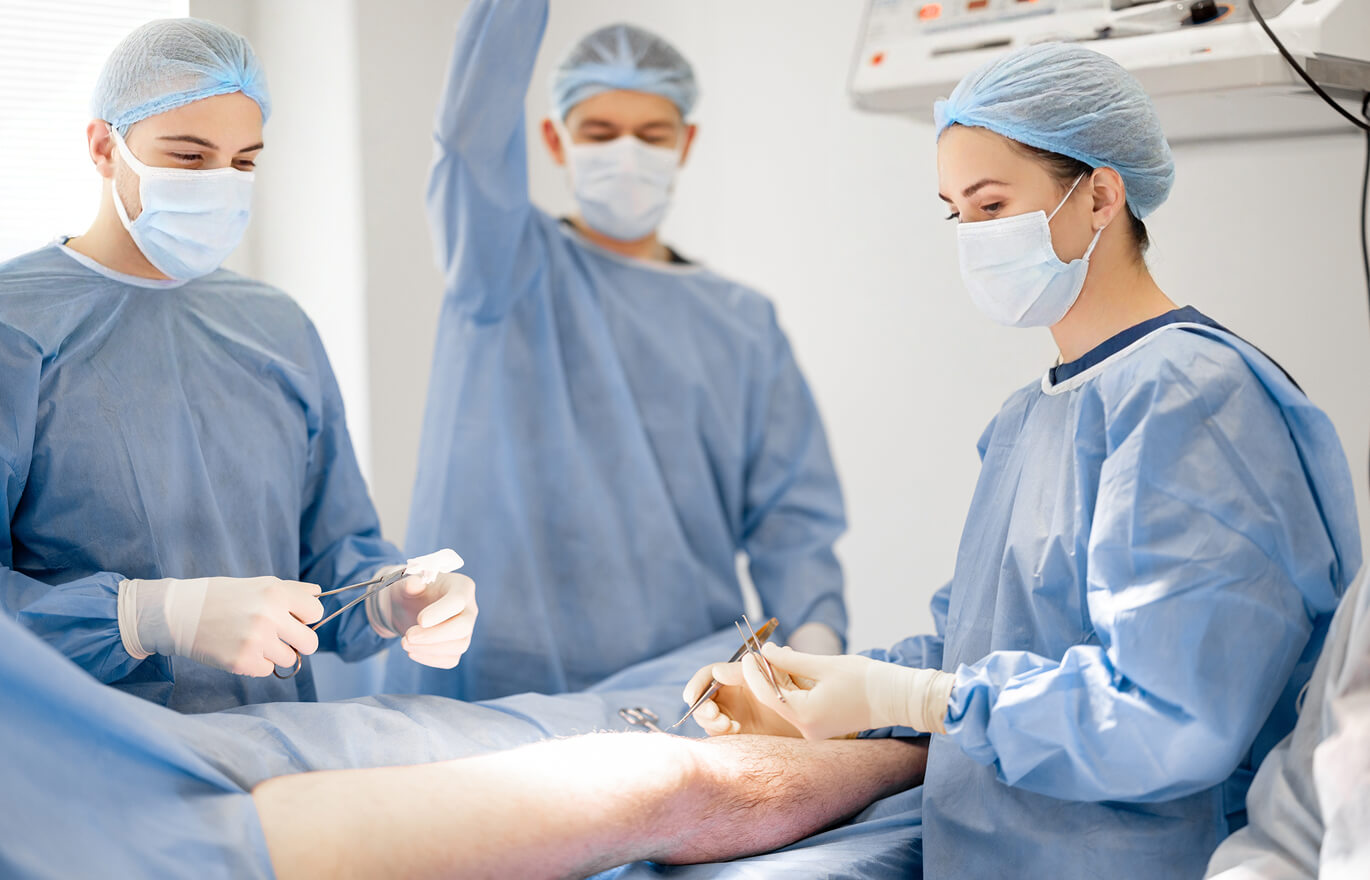
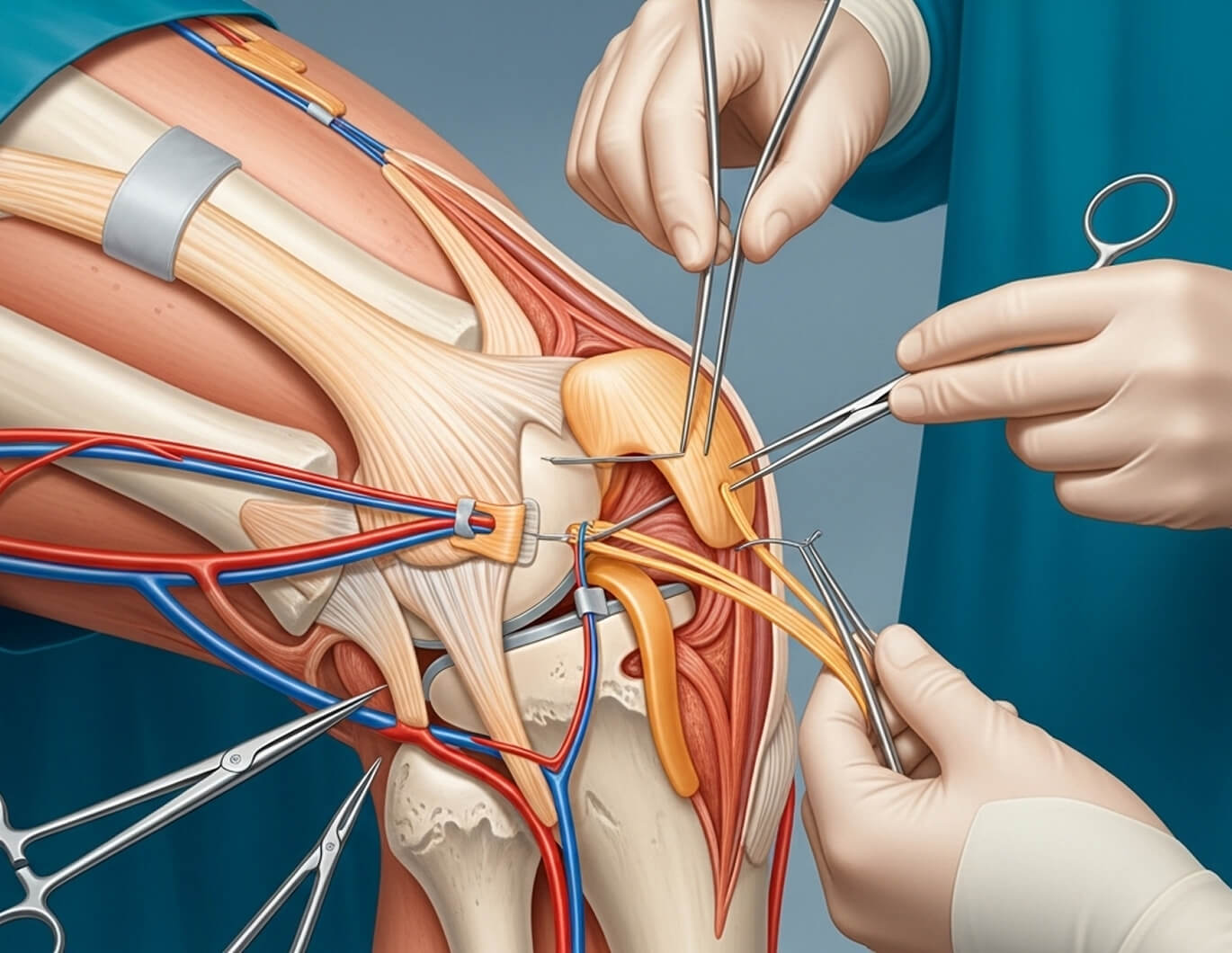
Surgery is the standard treatment for most multiligament knee injuries. The goal is to reconstruct the torn ligaments to restore knee stability, allowing for rehabilitation and return to function.

Surgical Timing Considerations

The timing of surgery is an important decision:

Early Reconstruction (within 2-3 weeks)

Performing surgery soon after the injury allows for a single operation and potentially quicker return to function. The tissue quality is often optimal for repair or reconstruction. However, surgery on a swollen, stiff knee carries a higher risk of post-operative stiffness (arthrofibrosis).

Delayed Reconstruction (after 3 weeks or staged)

Waiting allows initial swelling and inflammation to settle. This can reduce the risk of stiffness. However, it means living with an unstable knee for longer, which can sometimes lead to further damage. It might also require multiple separate surgeries.
Current evidence suggests that early reconstruction (within 2-3 weeks), when done by surgeons experienced in managing these complex injuries, can achieve good results while managing the risk of stiffness.

Surgical Reconstruction

Reconstructing multiple ligaments in a single operation is complex and requires careful planning and surgical expertise.

Surgical Planning

Before surgery, a detailed plan is created:

Identify all injured structures

Using MRI scans and examination under anaesthesia.

Decide on repair vs reconstruction

For each torn ligament, the surgeon determines if it can be repaired (stitched back together) or if it needs to be fully reconstructed using a graft. Acute injuries with good tissue quality might be repairable. Chronic injuries or severely damaged tissue usually need reconstruction.

Plan graft requirements

Decide which tendons will be used for reconstruction. These can be autografts (tissue taken from your own body) or allografts (tissue from a deceased donor).

Stage procedures if needed

If there are fractures, these are often fixed first. Ligament reconstruction might follow in a second operation once the fractures have started healing.

Ligament-Specific Approaches

Different ligaments require different surgical techniques:

Cruciate Ligaments (ACL, PCL)

These almost always need reconstruction using tendon grafts. The surgeon drills tunnels in the bone to place the graft in the anatomically correct position.

Collateral Ligaments (MCL, LCL)

Acute tears might be repairable if the tissue quality is good. Otherwise, reconstruction is performed.

Posterolateral Corner (PLC)

Reconstructing the PLC is technically demanding as it involves several structures crucial for stability, especially during rotation.

Graft Choices

Grafts are tissues used to replace the torn ligaments:

Autograft

Tendons taken from elsewhere in your body, such as hamstring tendons, quadriceps tendon, or patellar tendon.

Allograft

Tendons obtained from a tissue bank (donor tissue), like Achilles tendon, tibialis anterior tendon, or hamstring tendons. Allografts avoid the need to harvest tissue from your own body and provide more tissue if multiple ligaments need reconstruction.
Often, reconstructing multiple ligaments requires using a combination of both autograft and allograft tissues to have enough graft material.

Recovery and Outcomes

Rehabilitation after multiligament knee reconstruction is a long process, typically lasting 12-18 months. It requires significant commitment from the patient and close supervision by physiotherapists.

Rehabilitation Timeline

Recovery follows a phased approach:

Phase 1

Weeks 0-6

Immediate Post-Operative
Focus is on protecting the healing grafts while preventing stiffness. You'll likely wear a hinged knee brace and use crutches, with limits on weight-bearing and knee bending.

Phase 2

Weeks 6-12

Early Strengthening
Gradual increase in knee range of motion, aiming for full movement by 12 weeks. Begin gentle strengthening exercises and progress towards full weight-bearing. Stationary cycling might start in this phase.

Phase 3

Months 3-6

Functional Restoration
More advanced strengthening, balance and proprioception exercises. Focus on regaining normal walking pattern and returning to daily activities. Improve cardiovascular fitness.

Phase 4 (Months 6-12)

Return to Sport Preparation
Introduction of running, agility drills, jumping and landing exercises (plyometrics). Training becomes more sport-specific.

Phase 5 (Months 12-18)

Return to Competition
Gradual, supervised return to competitive sport, often with a functional brace initially. Ongoing strength and conditioning are vital.

Phase 4

Months 6-12

Return to Sport Preparation
Introduction of running, agility drills, jumping and landing exercises (plyometrics). Training becomes more sport-specific.

Phase 5

Months 12-18

Return to Competition
Gradual, supervised return to competitive sport, often with a functional brace initially. Ongoing strength and conditioning are vital.

Outcomes and Prognosis

While surgery aims to restore stability, outcomes after multiligament reconstruction can vary.

Return to Sport

Around 65-85% of patients return to some form of sport, but this is lower than after isolated ACL surgery.

Return to Pre-injury Level

Approximately 40-60% achieve their pre-injury activity level. This depends heavily on the severity of the initial injury.

Long-term Arthritis Risk

There is a significant risk (30-50%) of developing arthritis in the injured knee 10 or more years after the injury, even with successful reconstruction.
Factors influencing outcomes include the initial injury severity (number of ligaments, nerve/vascular damage), the timing and quality of surgery, adherence to rehabilitation, age, and desired activity level.

Common complications include:

Stiffness (Arthrofibrosis)

Occurs in 10-25% of cases.

Persistent Instability

The knee may still feel unstable in 10-20% of patients.

Graft Failure

The reconstructed ligament can fail in 5-15% of cases.

Infection

Risk is low (<2%).
Long-term follow-up is important due to the arthritis risk and the possibility of late problems requiring further treatment.

Dr Allom's Approach to Multiligament Knee Injuries

Managing multiligament knee injuries requires dedicated subspecialist expertise due to their complexity and potential complications.

Subspecialist Expertise in Complex Knee Trauma

Dr Allom provides:
  • Comprehensive assessment, including checks for nerve and vascular damage
  • Expert interpretation of advanced imaging like MRI and CT angiography.
  • Individualised surgical plans based on the unique injury pattern.
  • Technical skill in reconstructing all major knee ligaments and corners (PLC, PMC).

Comprehensive Treatment Philosophy

Dr Allom's approach encompasses:

Urgent assessment

For suspected dislocations and multiligament injuries.

Collaboration

with vascular surgeons or neurologists when needed.

Evidence-based decisions

On surgical timing, balancing benefits and risks.

Tailored rehabilitation

Protocols specific to the injury and surgery performed.

Realistic counselling

About expected outcomes and the need for long-term monitoring.

Advanced Surgical Techniques

Dr Allom offers:
  • Simultaneous reconstruction of multiple ligaments when appropriate.
  • Anatomic techniques for cruciate ligament reconstruction.
  • Specialised expertise in posterolateral corner reconstruction
  • Experience in revision surgery for previously failed multiligament reconstructions.
With dual fellowship qualifications (FRCS + FRACS) and a practice focused on complex knee surgery, Dr Allom manages multiligament injuries demanding advanced surgical skill.

Frequently Asked Questions

Most patients regain the ability to walk functionally after surgery and rehabilitation. The timeline usually looks like this:
  • Walking with crutches or aids: 6-12 weeks post-surgery.
  • Walking independently: Around 3-4 months.
  • Achieving a normal walking pattern: Typically takes 6-12 months.
Factors like nerve damage (foot drop), knee stiffness, muscle strength, pain, and dedication to physiotherapy can affect walking recovery.

Return to sport is possible but depends on many factors. Rates vary:
  • Return to recreational sport: 65-85%.
  • Return to pre-injury level: 40-60%.
  • Return to elite/professional sport: 30-50%.
Factors that improve chances of returning to sport include younger age, less severe initial injury patterns (like KD-I or KD-II), absence of nerve or vascular damage, excellent rehabilitation, and choosing lower-demand sports. Dr Allom discusses realistic return-to-sport goals early in the consultation process based on your specific injury.

Surgery time depends on the complexity and number of ligaments involved:
  • Two ligaments (e.g., ACL + MCL): 2-3 hours.
  • Three ligaments (e.g., ACL + PCL + LCL/PLC): 4-6 hours.
  • All four ligaments (KD-IV): Can take 6-8 hours.
Hospital stay is usually 2-5 days, depending on pain control and early mobility.

Stiffness, or arthrofibrosis, is a common complication because reconstructing multiple ligaments involves more extensive surgery and creates more scar tissue. Preventing stiffness involves:
  • Starting range of motion exercises early.
  • Gradually increasing movement allowed by the brace.
  • Intensive physiotherapy.
  • Sometimes using anti-inflammatory medication.
  • In severe cases, a manipulation under anaesthesia (gently bending the knee while asleep) might be needed.
The goal is to achieve full straightening (extension) and bending (flexion) to at least 120-130 degrees for normal daily activities.

Treating these injuries is highly specialised. Look for a surgeon with:

Subspecialist Training

Fellowship training specifically in knee surgery.

Experience

Specific, regular experience in performing multiligament reconstructions. Ask how many they perform each year.

Outcomes

Ask about their results and complication rates.

Approach

Understand their approach to timing (early vs delayed/staged) and graft choices.

Next Steps

If you have sustained a multiligament knee injury or suspect a knee dislocation, Dr Allom offers subspecialist assessment to discuss your injury and treatment options.

What to Bring: Please bring your referral letter, all relevant imaging studies (X-rays, CT scans, MRI if performed), and your list of current medications to your consultation.

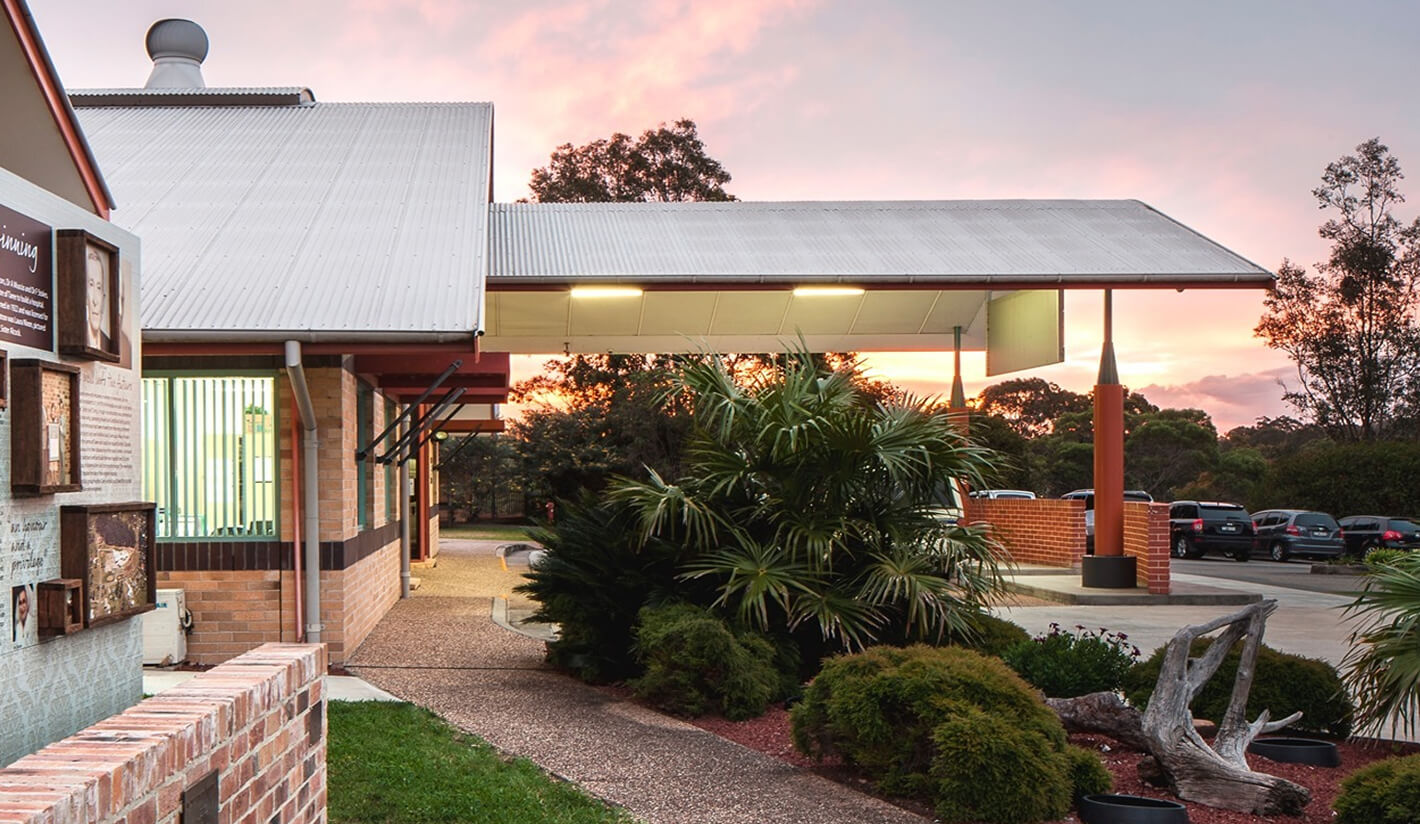
Convenient Locations in Two Regions

I consult and operate from five locations, providing local access to subspecialist expertise without the need for long-distance travel.

South West Sydney Locations

Phone Number

04 3818 3832

Gledswood Hills

The George Centre, Suite 12, 1A The Hermitage Way

Campbelltown

Centric Park, Level 3, 4 Hyde Parade

Liverpool

Sydney South West Private Hospital, Suite 3.02, 24-40 Bigge Street

Mid North Coast Locations

Phone Number

02 6551 0722

Taree

Mayo Private Hospital Specialist Suites, 2 Potoroo Drive

Forster

Dolphin Suites Consulting Rooms, 33 Breckenridge Street

Book Your Consultation

©2026 Dr Richard Allom. All rights reserved.

Oxford Knee Score Questionnaire

Please answer the following 12 questions about your knee, considering your symptoms over the past 4 weeks. Select one answer for each question.