
CONDITIONS

Rheumatoid Arthritis

Rheumatoid Arthritis of the Knee
Comprehensive Treatment Approaches

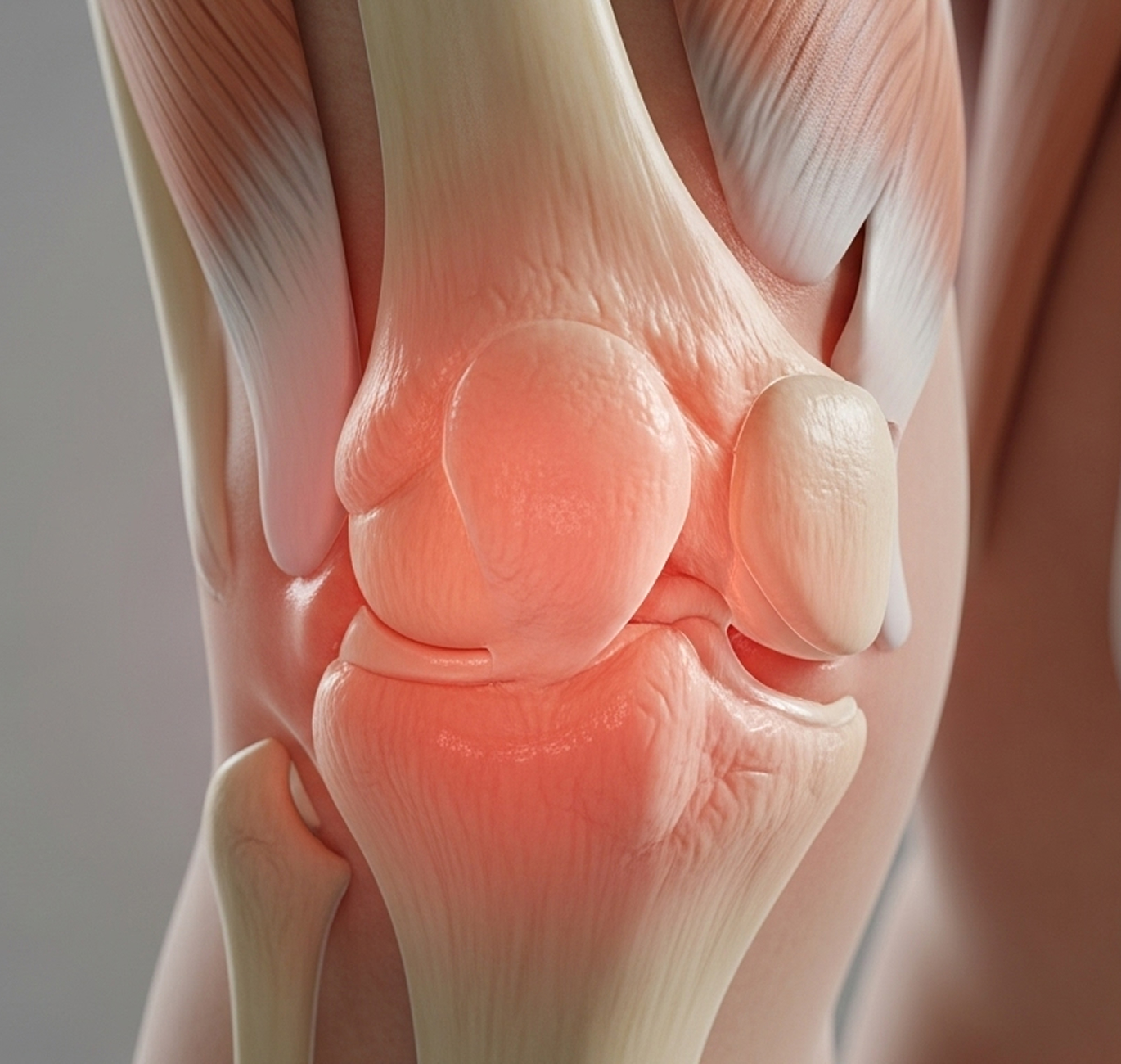
Rheumatoid arthritis (RA) of the knee is an autoimmune condition where your body's immune system mistakenly attacks the joint lining, causing chronic inflammation and progressive damage. Treatment focuses on managing this systemic inflammation with medication while addressing joint-specific pain and damage through conservative care or, in advanced cases, knee replacement surgery .

Primary Treatment

Medical management from a rheumatologist using Disease-Modifying Antirheumatic Drugs (DMARDs) is essential to slow the disease's progression

Surgical Option

For end-stage joint destruction where medical management has failed, total knee replacement is a highly safe and effective option, with 85-90% of RA patients achieving excellent pain relief .

Collaborative Care

Successful long-term management requires close collaboration between your rheumatologist and an experienced orthopaedic specialist.

What is Rheumatoid Arthritis?

Rheumatoid arthritis (RA) is an autoimmune condition where your body's immune system mistakenly attacks the lining of your joints, causing chronic inflammation and progressive joint damage. Unlike osteoarthritis, rheumatoid arthritis is a systemic inflammatory condition affecting multiple joints, including the knees.

Key Characteristics:

Autoimmune Origin

Immune system attacks healthy joint tissue

Symmetrical Presentation

Typically affects both sides of the body

Progressive Course

Joint damage worsens without proper management

Systemic Impact

Can affect organs beyond joints
Rheumatoid arthritis affects approximately 2% of the Australian population, with onset typically between ages 30-60. Women are three times more likely than men to develop RA.

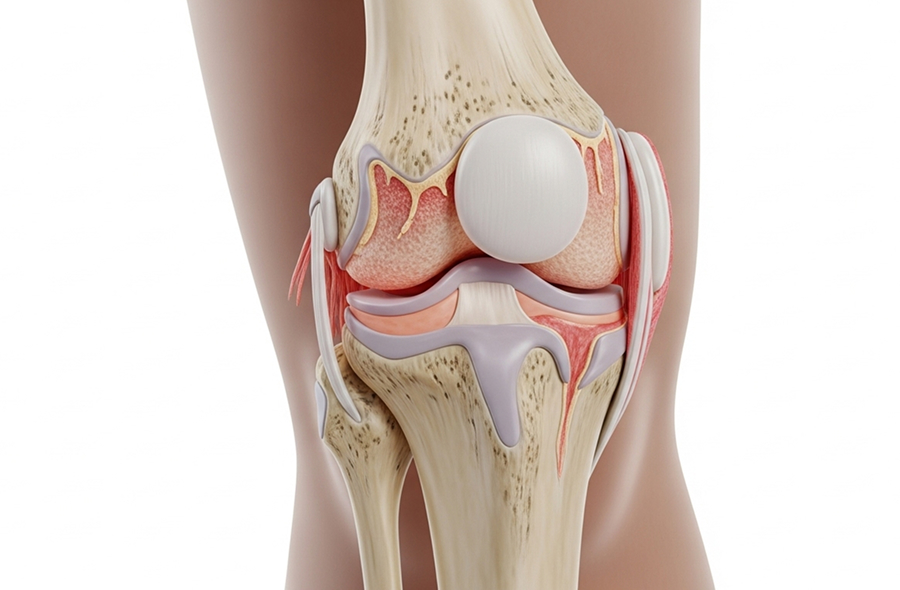
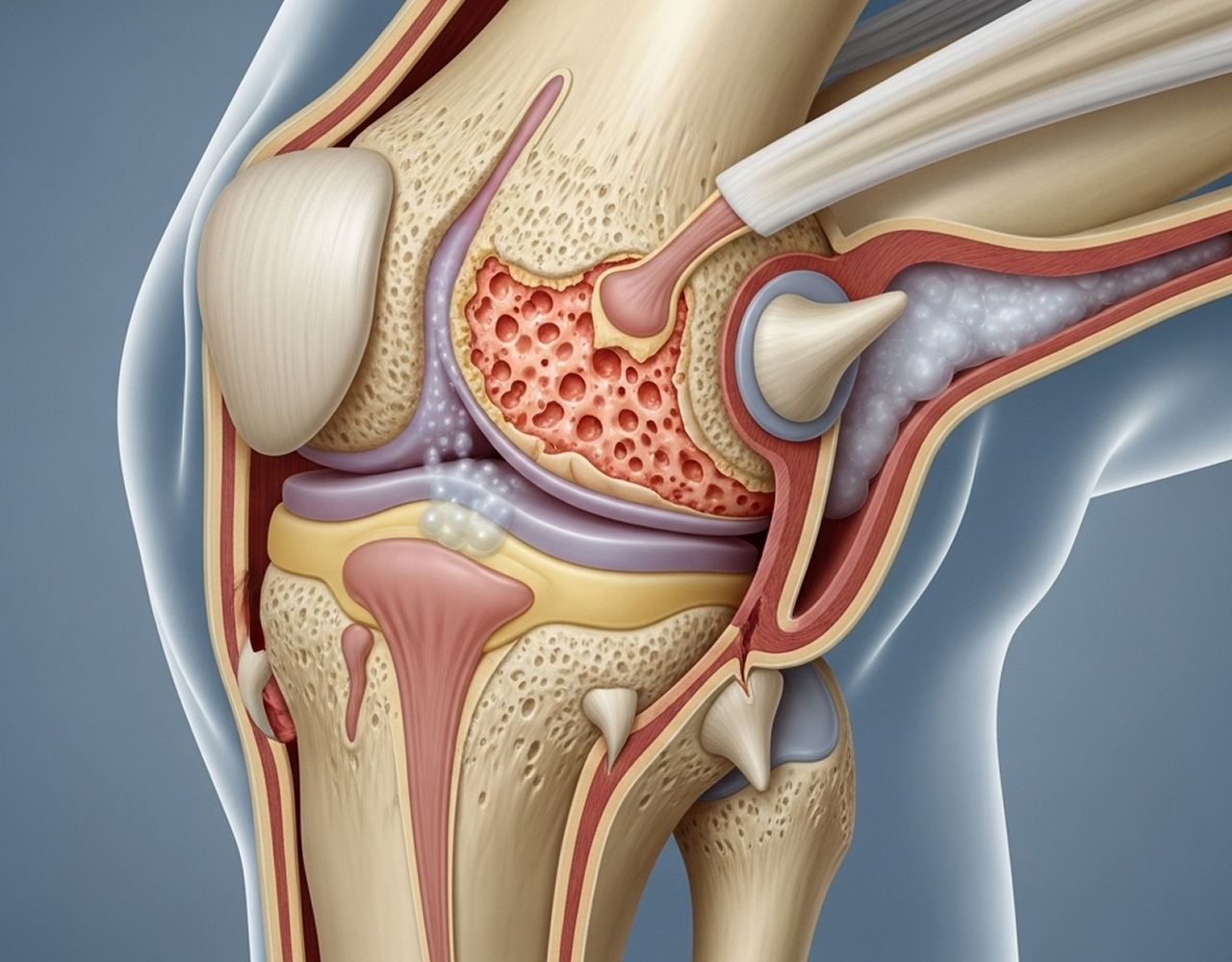
How Rheumatoid Arthritis Affects the Knee

The knee joint commonly experiences inflammatory damage that progresses through distinct stages:

Early Stage

Synovial inflammation causes joint swelling, warmth, and stiffness. Inflammatory fluid accumulates, creating pain during activity and rest.

Progressive Stage

Inflamed tissue thickens (pannus), cartilage begins eroding, and joint space narrows on X-rays. Increasing pain and functional limitation develop .

Advanced Stage

Cartilage destruction exposes underlying bone, erosions and cysts develop, and joint deformity emerges. Severe pain and disability typically require surgical intervention .

End-Stage

Complete cartilage loss creates bone-on-bone contact with marked deformity.

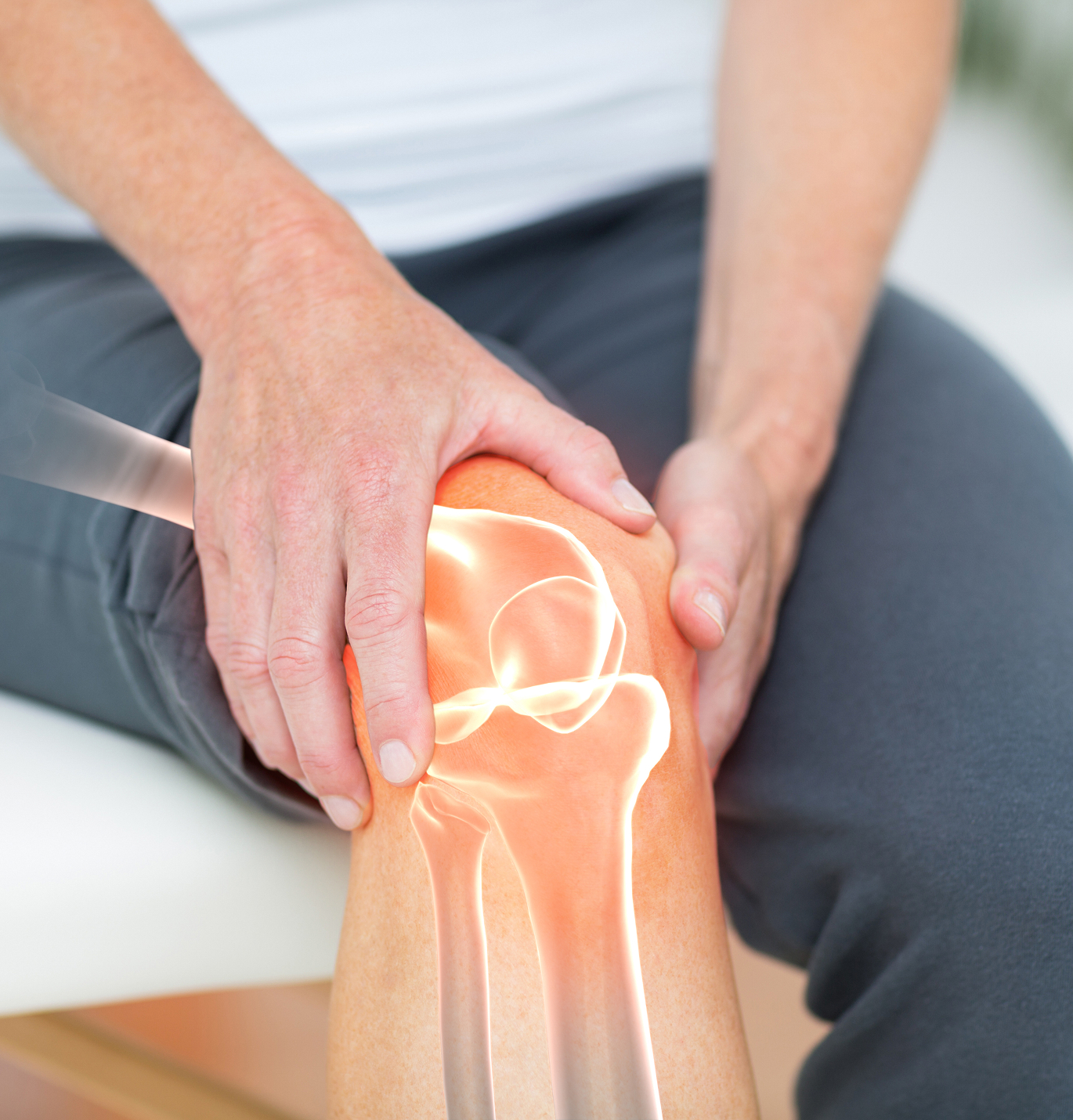
Rheumatoid arthritis typically affects knees in a symmetrical pattern with diffuse joint inflammation, synovial thickening causing persistent swelling, Baker's cyst formation, and ligament laxity from chronic inflammation.
Symptoms and Diagnosis

Common Symptoms

Morning Stiffness

Knee stiffness lasting 30+ minutes after waking, improving with gentle movement.

Joint Swelling

Persistent knee swelling with warmth during flare-ups and soft, spongy feeling from synovial thickening, often affecting both knees symmetrically.

Pain Characteristics

Aching pain at rest and during activity, night pain disrupting sleep, worsening during flares, temporarily relieved by anti-inflammatory medication.

Functional Limitations

Difficulty with stairs, reduced walking distance, challenges with squatting or kneeling, impact on work and daily activities.

Diagnosis

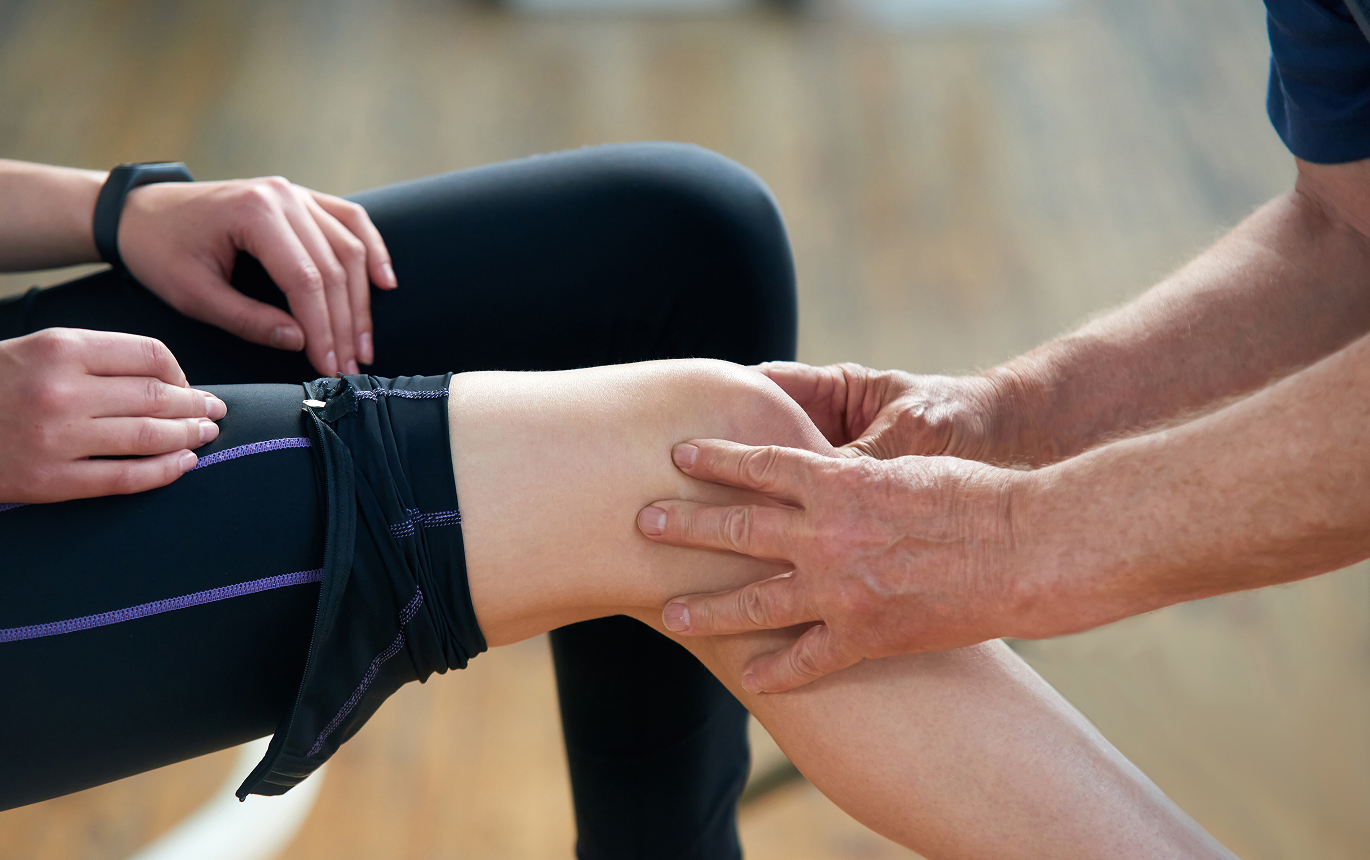
Clinical Examination

Evaluates joint swelling, range of motion, tenderness, and ligament stability.

Blood Tests

Include Rheumatoid Factor (positive in 70-80%), Anti-CCP Antibodies (highly specific for RA), and inflammatory markers (ESR and CRP).

Imaging Studies

Utilise X-rays for joint space narrowing and erosions, MRI for synovial inflammation and early damage, and ultrasound for inflammation monitoring.
Diagnosis requires comprehensive assessment by a rheumatologist and orthopaedic specialist working collaboratively.

Conservative Treatment Options

Management requires multidisciplinary coordination between rheumatology, orthopaedics, physiotherapy, and occupational therapy.
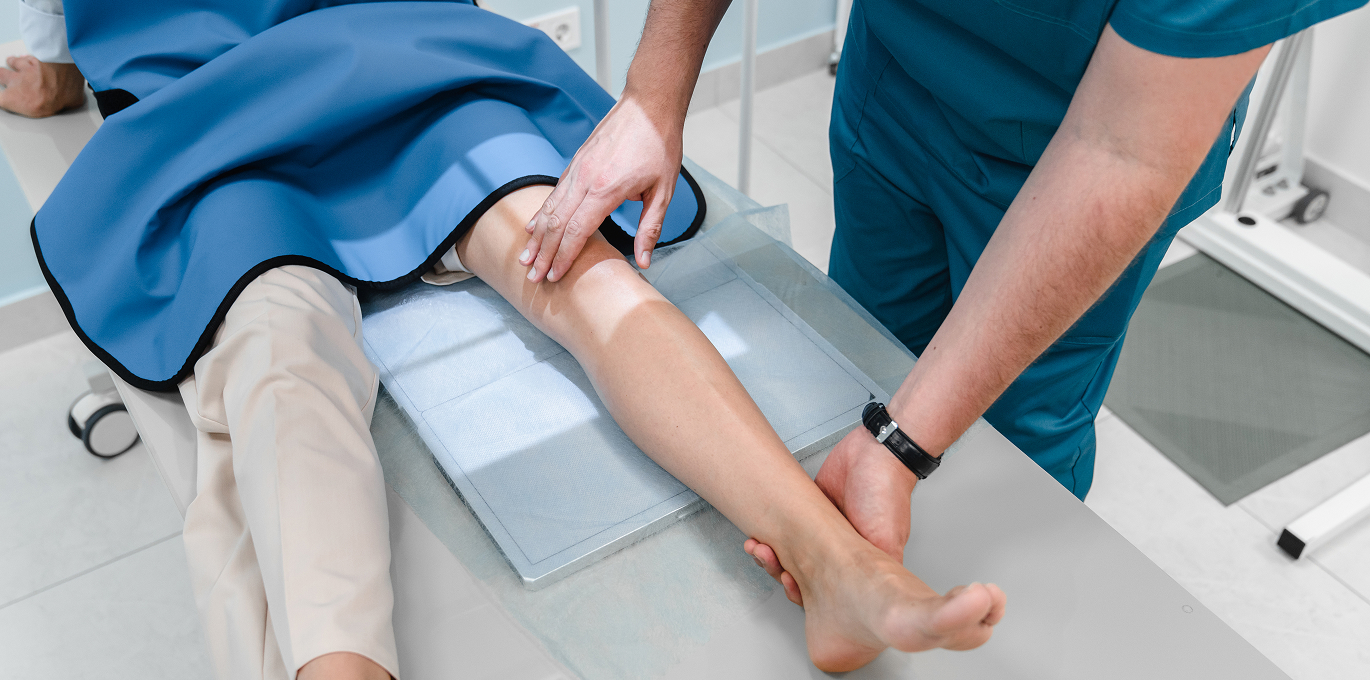
Medical Management (Primary Treatment)

Disease-Modifying Antirheumatic Drugs (DMARDs)

Like methotrexate slow disease progression and prevent joint damage, prescribed by your rheumatologist.

Biologic Therapies

Target specific inflammatory pathways, effectively treating moderate to severe RA through injections or infusions.

Anti-Inflammatory Medications

Provide pain relief whilst DMARDs take effect (3-6 months). Source: Royal Australian College of General Practitioners - Rheumatoid Arthritis Management Guidelines - 2024.

Injection Therapy

Corticosteroid Injections

Provide 6-12 weeks of symptom relief during flare-ups, limited to 3-4 injections annually.

Synovial Fluid Drainage

Removes inflammatory joint fluid for immediate pressure relief.

Physiotherapy and Exercise

  • Structured programmes include range of motion exercises, muscle strengthening, low-impact cardiovascular fitness (swimming, cycling), and joint protection techniques.
  • Hydrotherapy offers water-based exercise reducing joint stress whilst maintaining movement.

Activity Modification

  • Weight management reduces knee stress, assistive devices support mobility during flare-ups, and pacing activities avoids overexertion.

Surgical Treatment Options

Surgery is considered when medical management fails to control symptoms adequately, significant joint damage causes severe pain and disability, and quality of life is substantially impaired.

Arthroscopic Synovectomy

Early-Stage Intervention

Keyhole surgery removes inflamed synovial tissue for patients with persistent inflammation despite optimal medical therapy and early disease without significant cartilage damage. 70-80% experience symptom relief for 2-5 years, potentially delaying joint replacement need.

Total Knee Replacement

Advanced Joint Destruction

Removal of damaged joint surfaces replaced with artificial components for end-stage destruction with severe pain.

Special Considerations for Rheumatoid Arthritis:

Pre-Operative Optimisation

Disease activity controlled, biologic therapies temporarily ceased, infection risk assessed, bone density evaluated.

Surgical Adaptations

Constrained implants for ligament laxity, bone grafting for deficiencies, longer-stem components for osteoporotic bone.

Infection Risk Management

Meticulous surgical technique, prolonged antibiotic prophylaxis, close monitoring (RA patients face higher infection risk from immunosuppression).

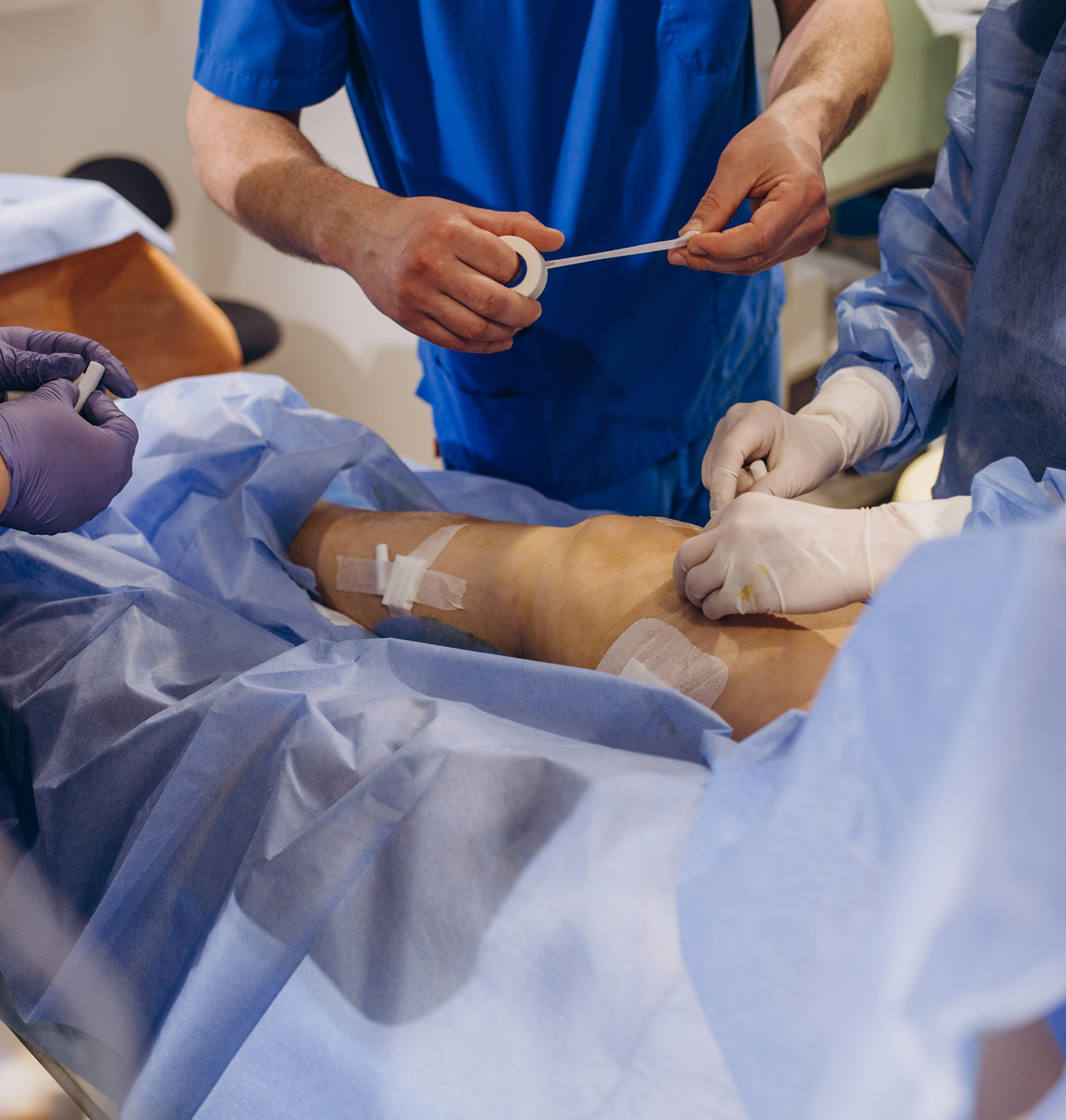
Research demonstrates 85-90% of RA patients achieve excellent pain relief and quality of life improvement, with implant survival rates comparable to osteoarthritis patients at 10-15 years. Source: The Journal of Bone and Joint Surgery - TKR Outcomes in Rheumatoid Arthritis - 2024.
Revision Knee Replacement

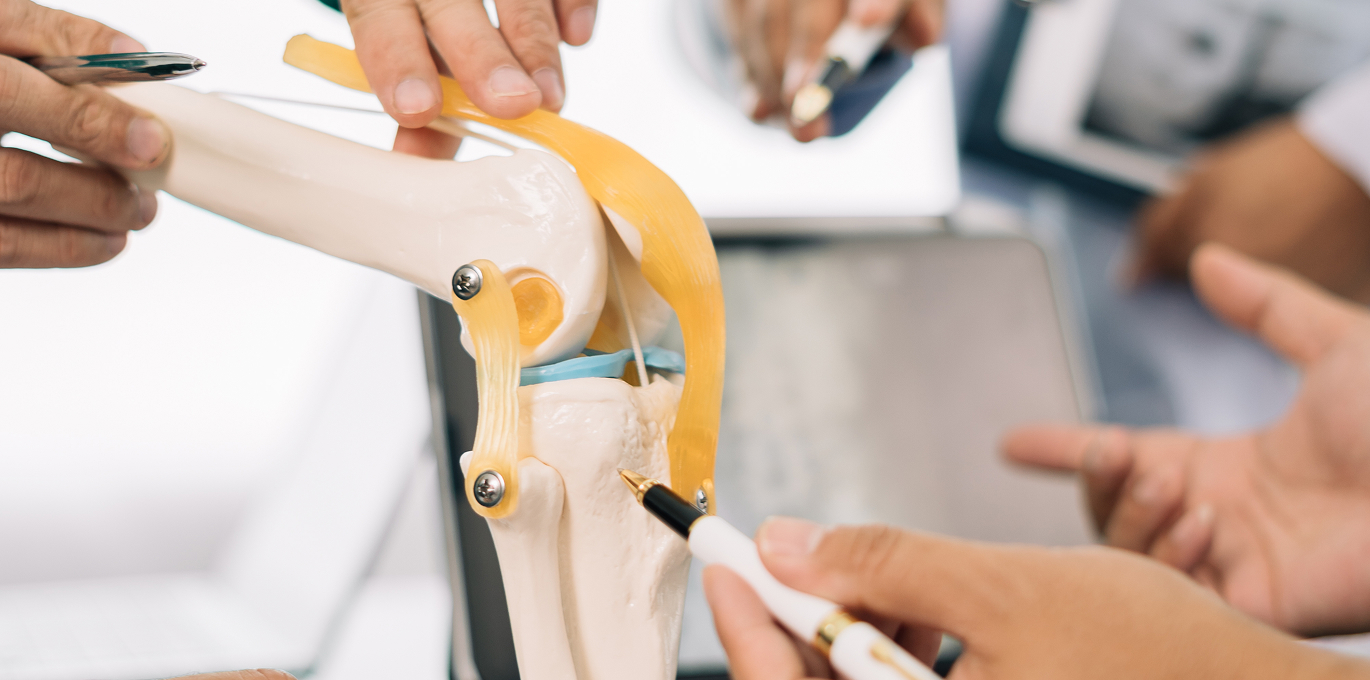
Some patients require revision surgery for implant loosening, infection, instability, or component wear. As a knee subspecialist with dual fellowship credentials (FRCS + FRACS), I manage complex revision cases requiring advanced techniques.

Dr Allom's Approach

Collaborative
Multidisciplinary Care

Managing rheumatoid arthritis affecting the knee requires close collaboration between your rheumatology team and orthopaedic specialist. I work in partnership with your rheumatologist, providing orthopaedic assessment, surgical options discussion, timing surgery around disease activity, and coordinating post-operative care.

"Managing rheumatoid arthritis is a team effort. My role as the orthopaedic specialist is to work closely with your rheumatologist. We focus on controlling the systemic disease first. Surgery, like a total knee replacement, is a powerful tool for pain relief when the joint damage is advanced, but it is only considered after all medical and conservative options have been optimised. RA presents unique challenges, like softer bone and higher infection risks, so my subspecialist training in complex cases and revision surgery is crucial to ensuring a safe and successful outcome."
Expertise in Complex Cases

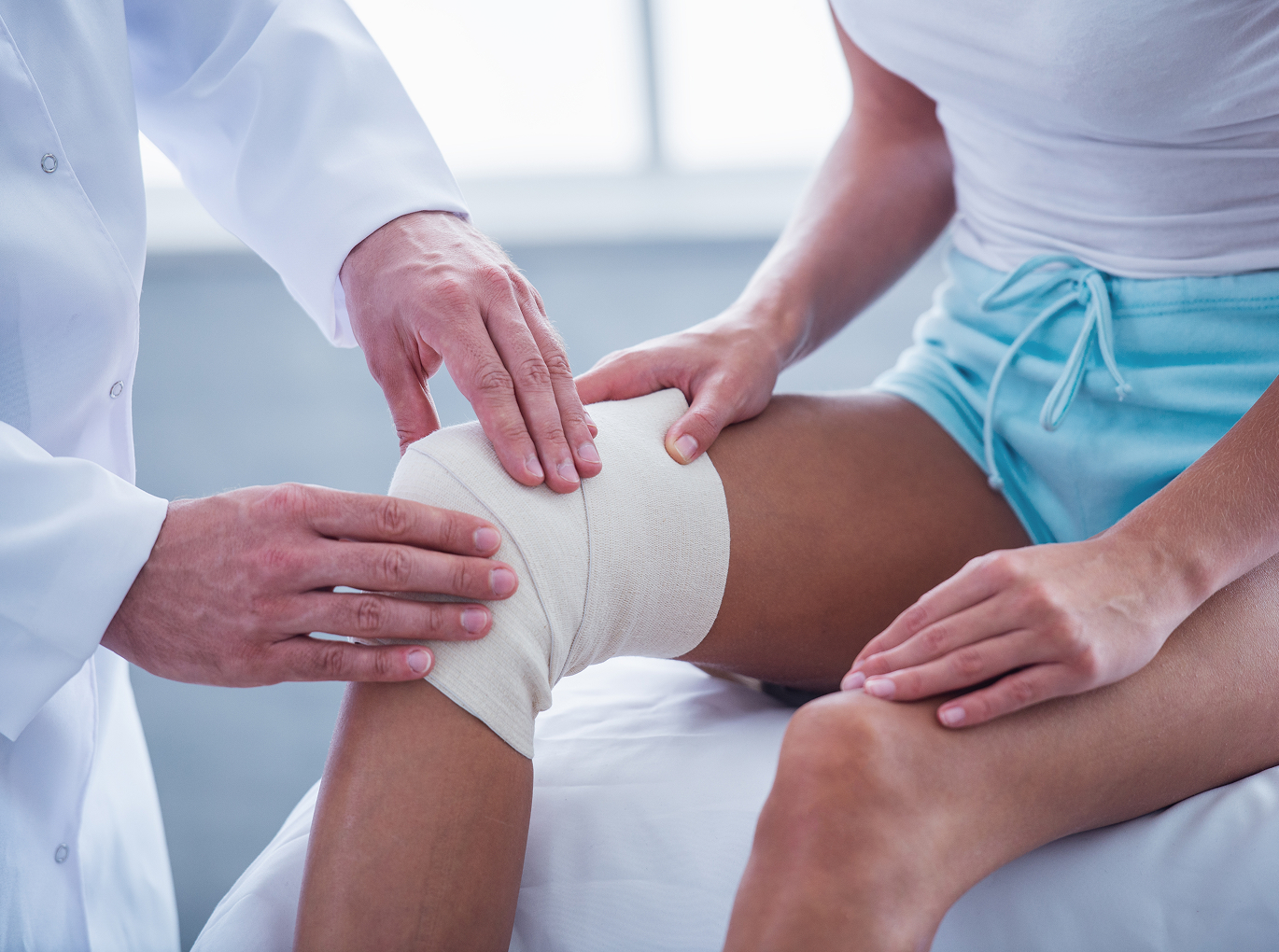
Rheumatoid arthritis presents unique surgical challenges: osteoporotic bone requiring special fixation, ligament laxity necessitating constrained implants, bilateral disease planning, bone deficiency reconstruction, and infection risk protocols. With dual fellowship training (FRCS + FRACS) and subspecialist focus, I manage challenging cases requiring advanced surgical problem-solving.

Conservative-First Philosophy

Surgery is never the first option. I ensure all conservative and medical management options have been thoroughly explored before considering surgical intervention, prioritising optimal pre-operative disease control, careful patient selection, evidence-based techniques, personalised implant selection, and comprehensive post-operative care .

Recovery and Outcomes

Post-Operative Recovery Timeline

Hospital Stay (2-4 days)

Pain management, physiotherapy, early mobilisation.

Weeks 1-2

Gentle exercises, walking aid assistance, wound monitoring, medication coordination with rheumatology.

Weeks 3-6

Increasing mobility, gradual walking aid weaning, physiotherapy progression.

Months 2-3

Return to driving, light activities, continued physiotherapy, orthopaedic and rheumatology reviews.

Months 3-6

Significant pain relief achieved, functional improvement established, return to modified activities.

Expected Outcomes

  • 85-90% experience dramatic pain relief and satisfaction following total knee replacement.
  • Functional improvements include enhanced walking distance, reduced stiffness, better sleep quality, and return to low-impact activities.
  • Modern implants last 15-20+ years with well-controlled systemic disease.

Long-Term Management

Continued rheumatology care manages disease-modifying therapy and systemic inflammation, whilst orthopaedic follow-up monitors implants annually and assesses other joints.
Frequently Asked Questions

Yes. Total knee replacement is safe and effective when performed by experienced subspecialists with appropriate pre-operative optimisation. Whilst RA patients have slightly higher infection risk, meticulous surgical technique and coordinated care minimise complications. Research demonstrates 85-90% report significant improvement.

Some medications require temporary adjustment, particularly biologics. Your rheumatologist coordinates with me to balance infection risk with disease control, creating an individualised medication plan.

No. Surgery treats joint damage but doesn't cure the underlying autoimmune condition. You'll continue requiring rheumatology management for systemic disease control. However, total knee replacement dramatically relieves pain and restores function in the treated knee.

Optimal timing balances symptom severity, functional limitation, and disease control. Surgery is appropriate when pain significantly impacts quality of life, conservative treatments have been exhausted, joint damage is advanced, and systemic RA is well-controlled. I work with your rheumatologist determining the right timing.

Modern implants perform well, with survival rates similar to osteoarthritis at 10-15 years. Positive factors include lighter body weight and lower activity demands. Potential concerns include bone quality and infection risk. With careful patient selection and ongoing medical management, excellent long-term outcomes are achievable.

Infection risk is slightly higher (1-2%) due to immunosuppressive medications, but modern protocols minimise this. Treatment depends on timing: early infections may require washout surgery retaining implants, whilst late infections require two-stage revision. As a subspecialist trained in complex revision surgery, I manage infected replacements requiring advanced techniques.

Next Steps

If rheumatoid arthritis is affecting your knee and conservative management isn't providing adequate relief, I welcome the opportunity to discuss your treatment options.

I welcome patients across South West Sydney and the Mid North Coast seeking expert management of complex knee fractures.

What to Bring: Please bring your referral letter, all relevant imaging studies (X-rays, CT scans, MRI if performed), and your list of current medications to your consultation.
Convenient Locations in Two Regions

I consult and operate from five locations, providing local access to subspecialist expertise without the need for long-distance travel.

South West Sydney Locations

Phone Number

04 3818 3832

Gledswood Hills

The George Centre, Suite 12, 1A The Hermitage Way

Campbelltown

Centric Park, Level 3, 4 Hyde Parade

Liverpool

Sydney South West Private Hospital, Suite 3.02, 24-40 Bigge Street

Mid North Coast Locations

Phone Number

02 6551 0722

Taree

Mayo Private Hospital Specialist Suites, 2 Potoroo Drive

Forster

Dolphin Suites Consulting Rooms, 33 Breckenridge Street

Related Information

Osteoarthritis of the Knee
Osteoarthritis (OA) is the most common type of knee arthritis in Australia. It happens when the articular cartilage
Patellofemoral arthritis
Patellofemoral arthritis affects the joint between your kneecap (patella) and the thighbone (femur).
Failed Knee Replacement
This can cause pain, instability, or difficulty moving, often needing further surgery called revision knee replacement.
Robotic knee replacement
That pop you felt in your knee during the game. The rapid swelling.
Revision knee replacement
For patients with advanced arthritis, learn about the robotic-assisted knee replacement options available.

Book Your Consultation

©2026 Dr Richard Allom. All rights reserved.

Oxford Knee Score Questionnaire

Please answer the following 12 questions about your knee, considering your symptoms over the past 4 weeks. Select one answer for each question.