
CONDITIONS

Osteoarthritis of
the Knee

Osteoarthritis of the Knee

Osteoarthritis of the Knee Treatment with Dr Richard Allom

Knee osteoarthritis (OA) causes chronic joint pain, but it doesn't have to define your life. Effective, personalised treatment options are available to get you moving freely again.

Conservative First

Dr Allom prioritises non-surgical treatments—like weight management, exercise, and injections—to manage your pain for as long as possible.

Advanced Surgery

When non-surgical options are no longer enough, surgical solutions include robotic-assisted partial or total knee replacement for enhanced precision.

Local Expertise

Get metropolitan-level, fellowship-trained orthopaedic care right here in South West Sydney and the Mid North Coast.

What is Osteoarthritis of the Knee?

What is Osteoarthritis of the Knee
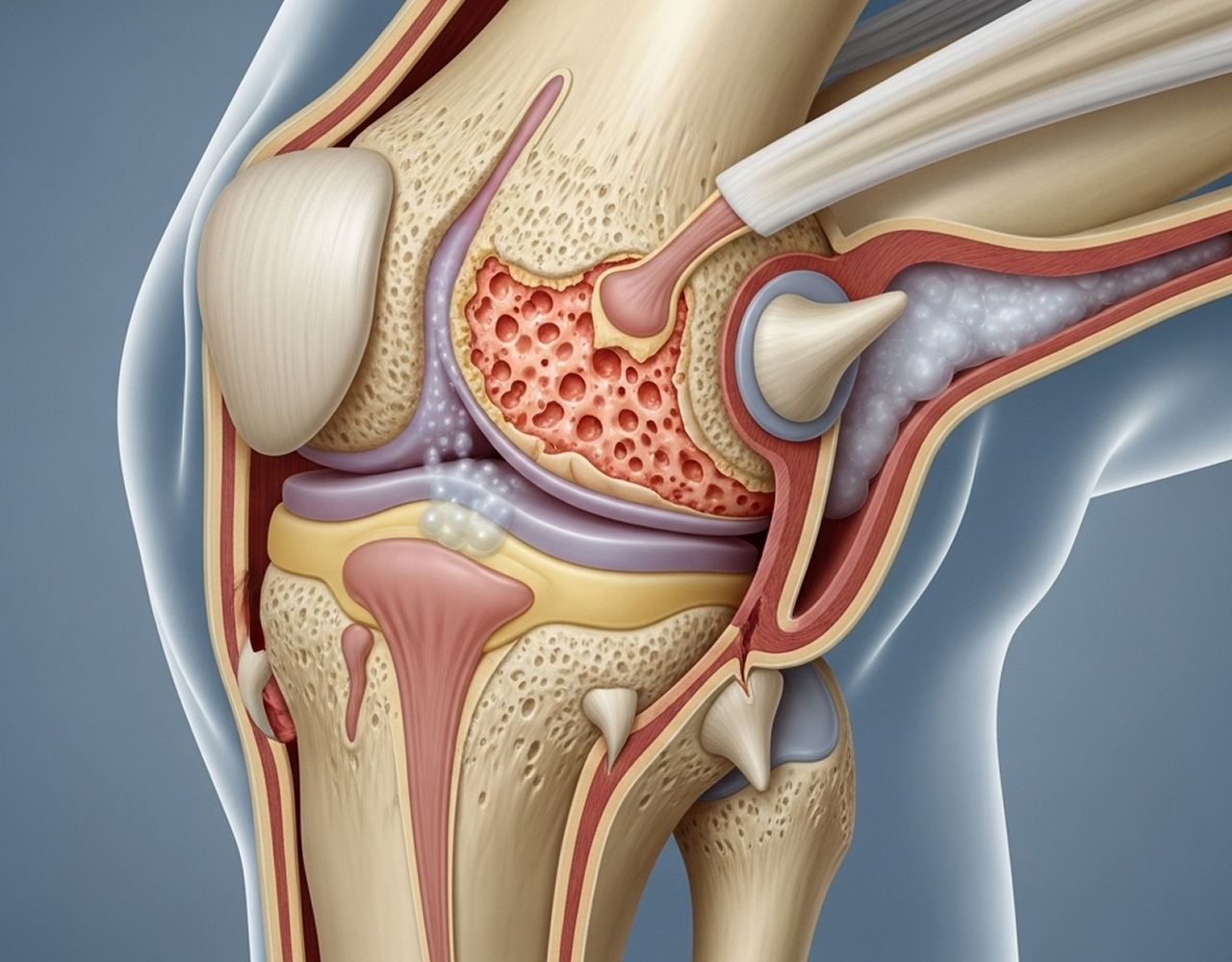
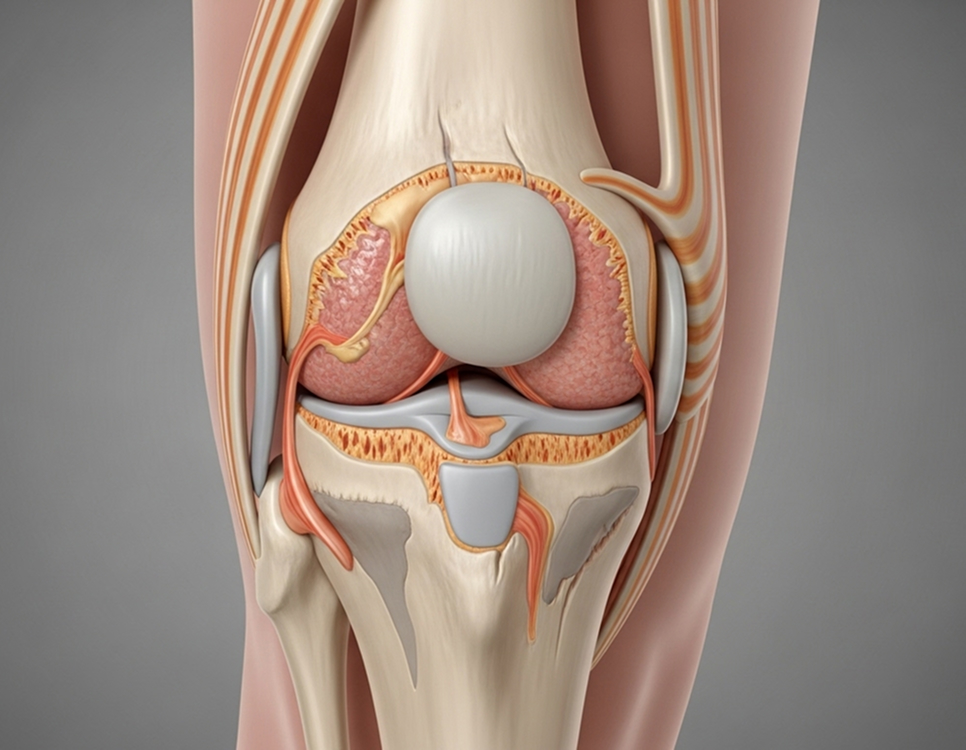
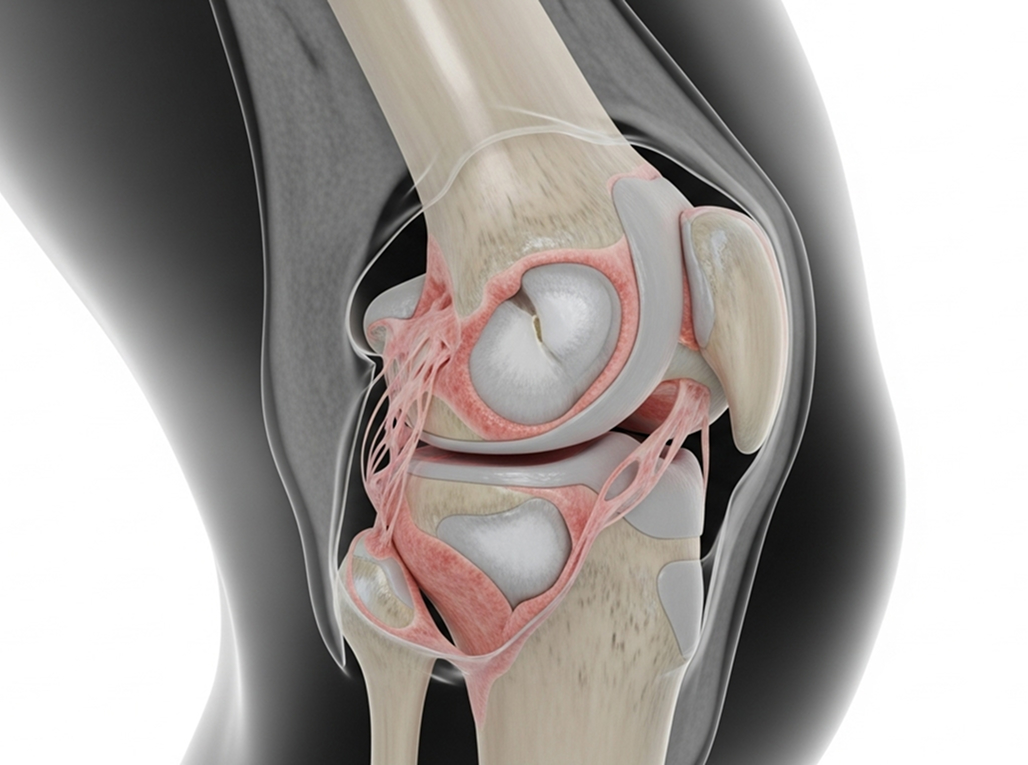
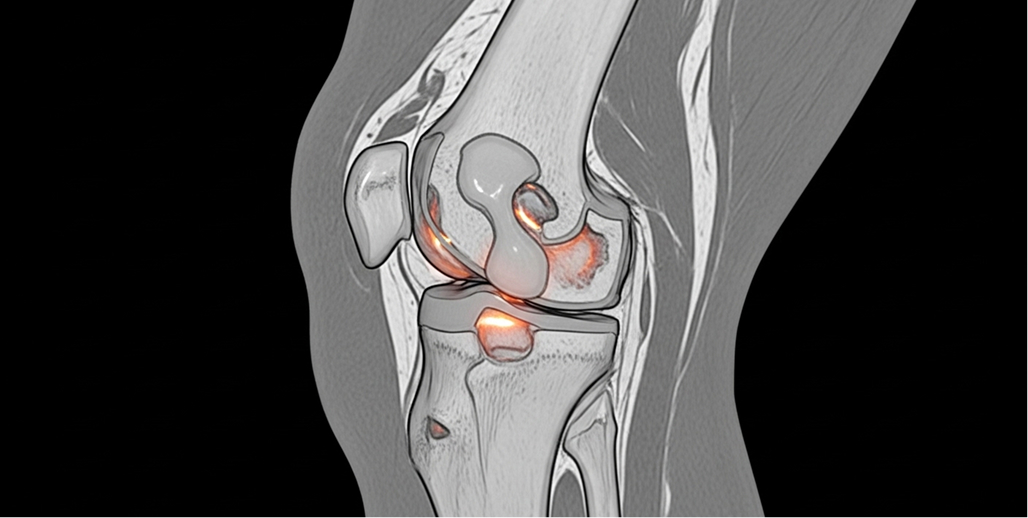
Osteoarthritis (OA) is the most common type of knee arthritis in Australia. It happens when the articular cartilage, the smooth layer protecting the ends of your bones inside the joint, wears down over time. As this cushioning deteriorates, the bones can start rubbing together. This causes the pain, swelling, and reduced mobility that stop you from doing the everyday things you enjoy.

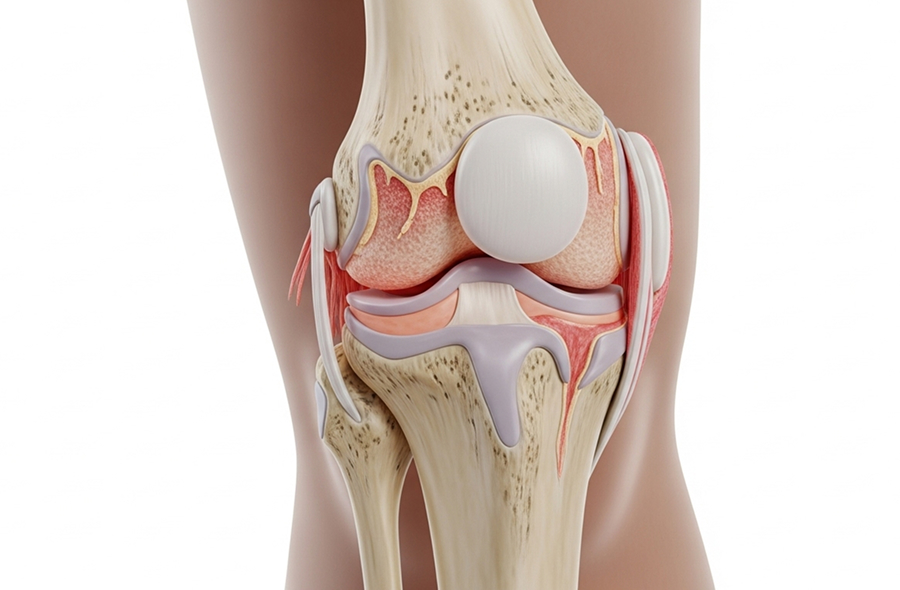
Your knee joint is actually made up of three sections:


The medial compartment (on the inside of the knee). This is the area arthritis most often affects.


The lateral compartment (on the outside of the knee).


The patellofemoral compartment (where your kneecap and thighbone meet).
Understanding which of these sections is affected is crucial. It’s how we tailor the right treatment, from conservative care to considering a partial knee replacement.

Symptoms of Knee Osteoarthritis

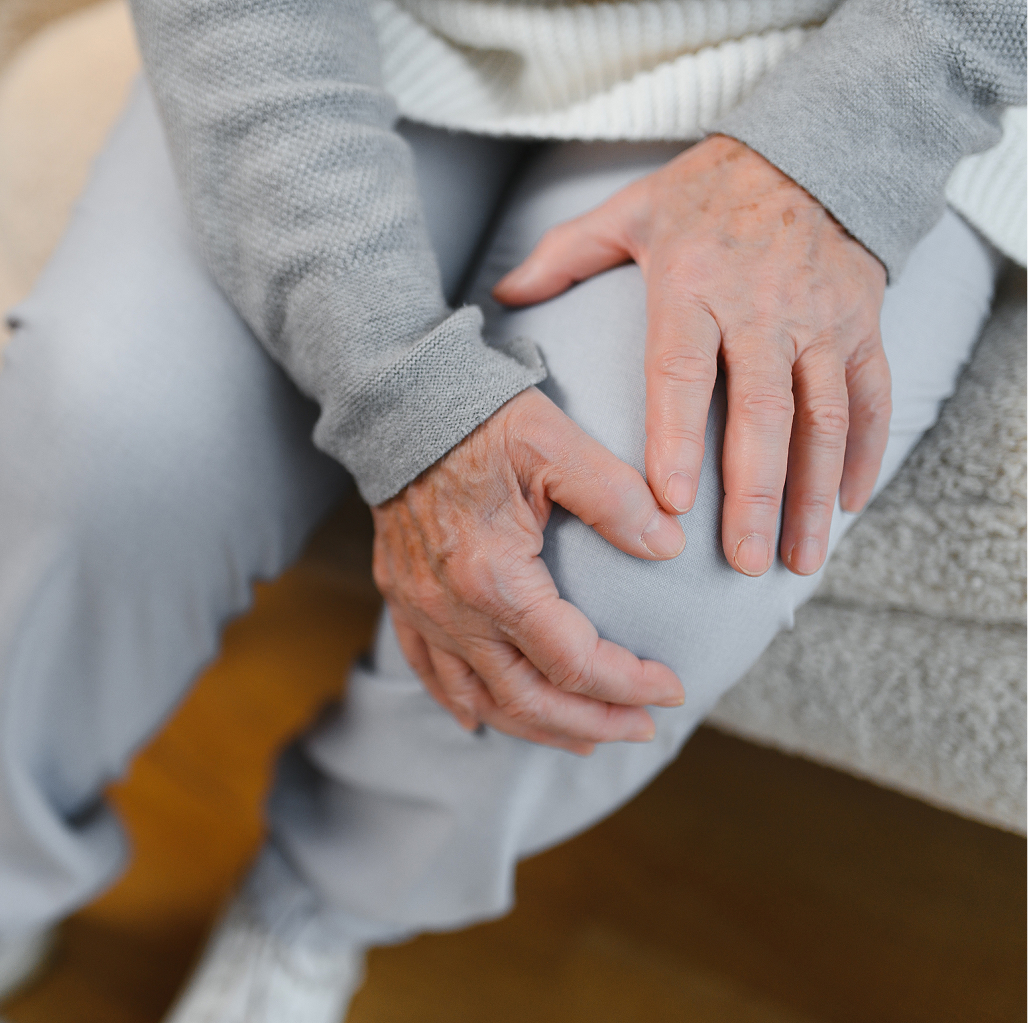
For many patients, living with knee OA means dealing with constant aches and frustrating limitations. You're certainly not alone with these symptoms.

Aching Discomfort

Pain often starts during or after activity and typically gets worse throughout the day.

Morning Stiffness

You might feel stiff first thing, but this usually eases after 15 to 30 minutes of gentle movement.

Grinding or Crunching

You may hear or feel a grinding sensation (called crepitus) when you bend or move your knee.

Swelling

The joint may swell or feel inflamed following activity.

Instability

A frustrating feeling that your knee is going to 'give way' or buckle.

Disrupted Life

Difficulty with stairs, long walks, gardening, or getting a good night's sleep due to pain.

Causes and Risk Factors

We don't fully understand the exact cause of OA, but we know several things can influence your risk.

Age

Your risk increases significantly after the age of 45.

Gender

Women over 50 are more likely to develop knee OA than men, particularly after menopause.

Previous Injury

A past knee injury (like a ligament tear, meniscal damage, or fracture) greatly increases the risk of developing arthritis later on.

Genetics

If other people in your family have OA, you are also at a higher risk.
Why Managing Your Weight Matters

Why Managing Your Weight Matters

If you're carrying excess weight, you're placing significant stress on your knee joints. Every single kilogram of extra body weight can increase the force on your knee by three to four kilograms when you walk, and even more when you climb stairs.

The Solution

Even a small amount of weight loss (just 5 to 10% of your body weight) can dramatically reduce your pain and improve joint function. This is genuinely one of the most effective ways to manage your symptoms without resorting to surgery.

Diagnosis and Treatment Options

A comprehensive assessment is the first step. Dr Allom will conduct a thorough physical examination, listen carefully to your history, and analyse how your symptoms are impacting your daily life.
Imaging Studies-1

Imaging Studies

We typically use X-rays first. The results help us to:


Show how much cartilage you have lost (joint space narrowing).


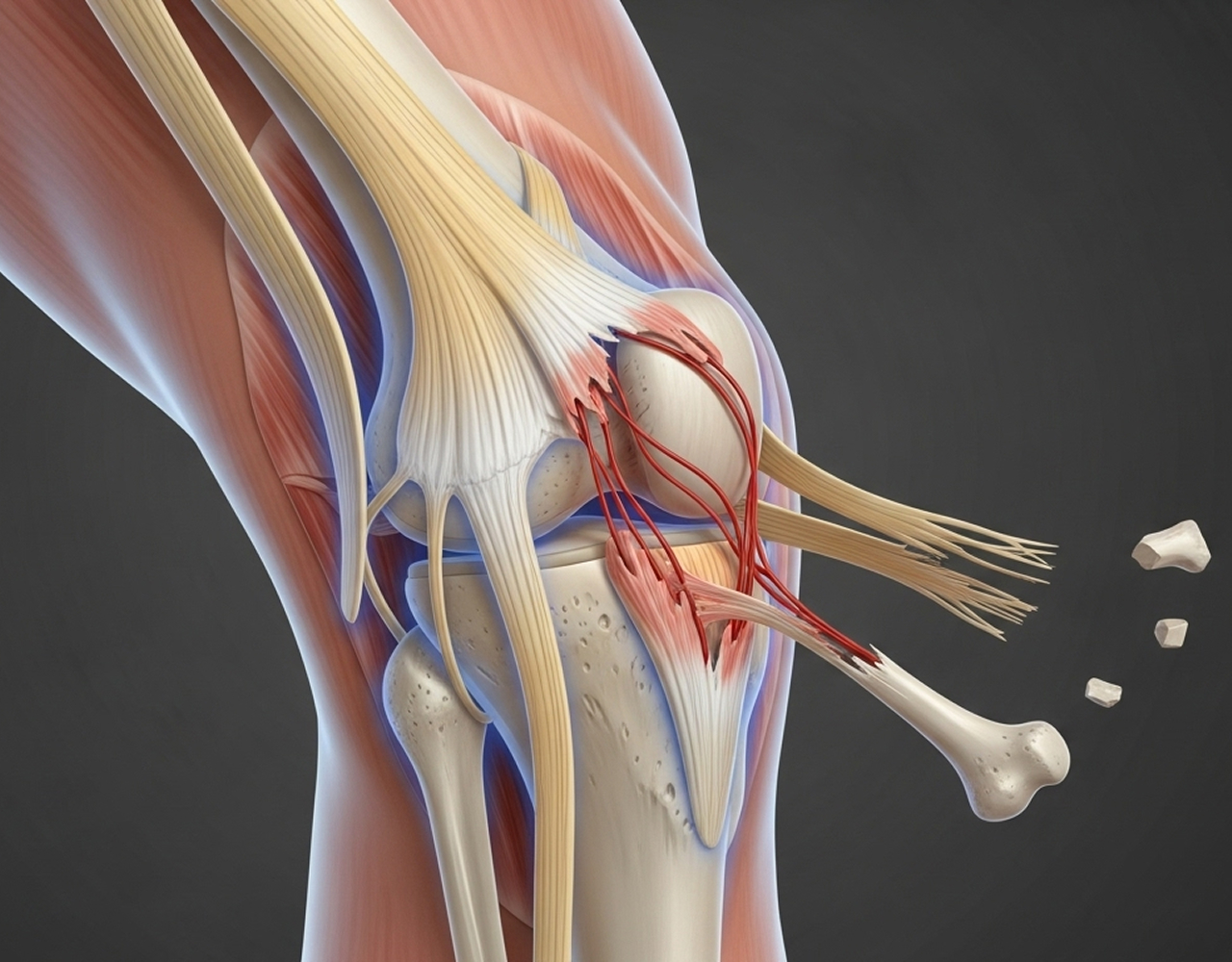
Look for bone spurs (osteophytes) around the joint.


Assess your leg alignment and determine which knee compartment is affected.
If we need a clearer picture of the soft tissues, ligaments, or early cartilage changes, we may order an MRI scan.

Dr Allom's Conservative-First Approach

I'm committed to exploring non-surgical options thoroughly. Surgery is only recommended when it is truly the right choice for your individual situation. Most patients can manage their knee OA successfully for many years without surgery. Treatment is always personalised to your symptoms, lifestyle, and goals.

Only when these effective conservative methods no longer provide you with adequate relief do we begin to discuss surgical options.

Lifestyle Adjustments

Weight Management

The single most impactful step for reducing pain.

Activity Modification

Switch from high-impact activities like running to low-impact alternatives such as swimming or cycling.

Assistive Devices

Using a walking stick can reduce the load on your knee by up to 30%.

Physical Therapy and Exercise

Strengthening

Focused exercises for your quadriceps and hamstrings are crucial for stabilising the joint.

Hydrotherapy

Exercising in water is fantastic because it provides resistance for strengthening but the water's buoyancy reduces stress on the joint.

Flexibility

Simple exercises help maintain your range of motion and prevent stiffness.

Medications and Injections

Topical Treatments

Anti-inflammatory gels applied directly to the knee often have fewer side effects than oral tablets.

Corticosteroid Injections

These powerful injections provide temporary relief from acute inflammation, typically lasting a few weeks to a few months.

Advanced Surgical Treatment Options

If you have persistent, significant pain that disrupts your sleep and severely limits your quality of life, surgery may be the next step. Many patients tell us they wish they hadn't waited so long once they finally experience relief.

Dr Allom offers procedures tailored to your specific arthritis pattern.

Total Knee Replacement

Total Knee Arthroplasty
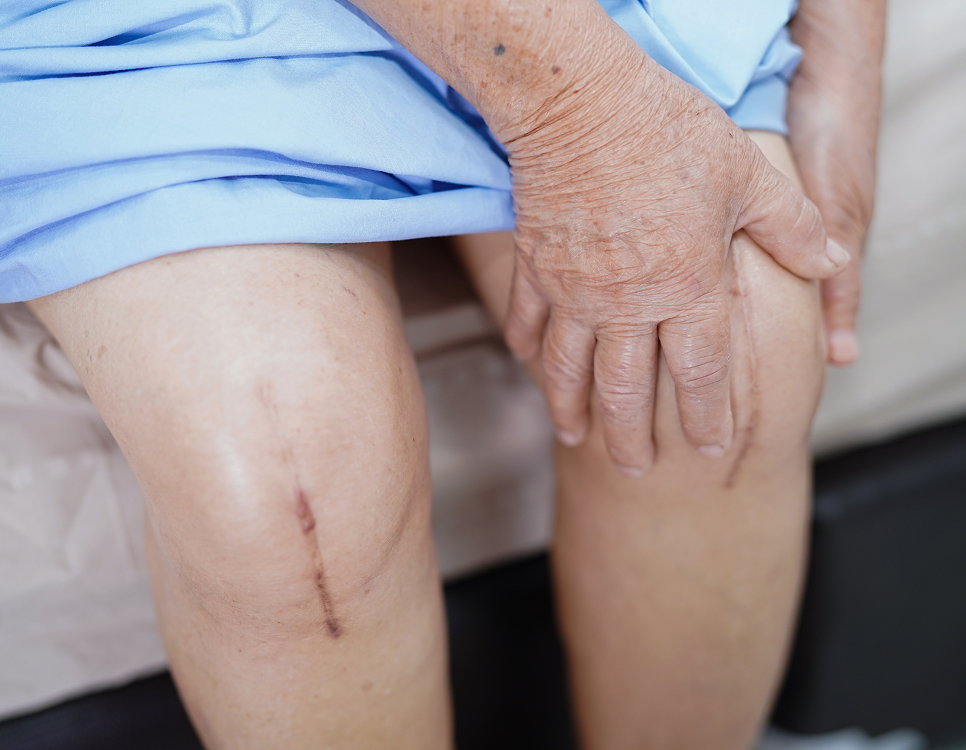
This is the tried-and-tested gold standard for advanced, multi-compartment osteoarthritis. The procedure replaces the damaged bone and cartilage surfaces with modern metal and medical-grade plastic components.

Longevity

Modern knee replacements provide excellent, predictable pain relief and function. Australian data shows that 90 to 95% of these implants are still working well 15 to 20 years later.

The Goal

To give you a stable, pain-free joint so you can get back to an active life, whether that means playing golf, gardening, or keeping up with the grandchildren.

Robotic-Assisted Knee Replacement

Dr Allom uses cutting-edge robotic technology in the operating theatre to achieve personalised alignment and superior surgical precision.

Pre-operative Planning

A detailed 3D map of your unique knee is created before surgery.

Enhanced Accuracy

Robotic assistance ensures bone cuts are placed within half a millimetre of the plan.

Better Outcomes

Research indicates that this robotic precision results in more consistent alignment compared to traditional techniques. This higher accuracy potentially improves how long the implant lasts.

Personalised Alignment Surgery

Not everyone's knee is naturally perfectly straight. Dr Allom uses advanced personalised (kinematic or functional) alignment approaches, which aim to restore your natural, pre-arthritic alignment, not a ‘one-size-fits-all’ mechanical axis.

The Benefit

This technique leads to a knee that feels more natural and often results in higher patient satisfaction scores.

Activity Modification

  • Weight management reduces knee stress, assistive devices support mobility during flare-ups, and pacing activities avoids overexertion.

Dr Allom's Commitment to You

My role isn't just to operate. It is to help you understand all the options, from physiotherapy to partial or total knee replacement, and work with you to make a decision that aligns with your life goals.

Shared Decision-Making

You will be given comprehensive information on the risks, benefits, and realistic outcomes for every option. There is no pressure.

Expert Credentials

Dr Allom is a dual fellowship-trained orthopaedic surgeon with qualifications from the UK and Australia (FRCS and FRACS). My practice is evidence-based and informed by active research.

Convenience

Get this high level of subspecialist care without the travel. Dr Allom consults and operates across South West Sydney (Campbelltown, Gledswood Hills, Liverpool) and the Mid North Coast (Taree).
Living with chronic knee pain doesn't have to be your future.

Frequently Asked Questions

Age is just one factor. If your osteoarthritis significantly limits your quality of life despite excellent non-surgical management, then surgery may be appropriate regardless of your age. Modern implants have brilliant longevity, with 90 to 95% lasting 15 to 20 years. We just need to weigh your lifetime risk of needing a revision against your current need for pain relief and improved function.

Most patients achieve significant pain relief and functional improvement within three to four months, with continued improvement up to a year. You will typically be walking with an aid within the first week, reducing that aid by four to six weeks, and returning to driving (automatic) by two to three months. Patience and adherence to your rehabilitation plan are absolutely crucial.

While you shouldn't feel rushed, waiting until the very last moment can sometimes create drawbacks. This includes prolonged pain, reduced quality of life, muscle weakness that makes recovery harder, and the development of compensatory walking patterns that can affect other joints. Surgery is best performed when conservative options no longer provide acceptable relief, and your quality of life is noticeably affected.

Next Steps

If knee osteoarthritis is impacting your day-to-day life, Dr Allom can help you determine the most effective, personalised treatment pathway.

What to Bring: Please bring your referral letter, all relevant imaging studies (X-rays, CT scans, MRI if performed), and your list of current medications to your consultation.
Convenient Locations in Two Regions

I consult and operate from five locations, providing local access to subspecialist expertise without the need for long-distance travel.

South West Sydney Locations

Phone Number

04 3818 3832

Gledswood Hills

The George Centre, Suite 12, 1A The Hermitage Way

Campbelltown

Centric Park, Level 3, 4 Hyde Parade

Liverpool

Sydney South West Private Hospital, Suite 3.02, 24-40 Bigge Street

Mid North Coast Locations

Phone Number

02 6551 0722

Taree

Mayo Private Hospital Specialist Suites, 2 Potoroo Drive

Forster

Dolphin Suites Consulting Rooms, 33 Breckenridge Street

Related Information

Osteoarthritis of the Knee
Osteoarthritis (OA) is the most common type of knee arthritis in Australia. It happens when the articular cartilage
Failing Knee Replacement
This can cause pain, instability, or difficulty moving, often needing further surgery called revision knee replacement.
Revision Knee Replacement
Lorem ipsum dolor sit amet consectetur adipiscing elit, imperdiet taciti sollicitudin porta per.
Patellofemoral Arthritis
Affects the joint between your kneecap (patella) and the thighbone (femur).
Rheumatoid Arthritis
An autoimmune condition where your body's immune system mistakenly attacks the lining of your joints
Osteoarthritis of the Knee
Osteoarthritis (OA) is the most common type of knee arthritis in Australia. It happens when the articular cartilage

Book Your Consultation

©2026 Dr Richard Allom. All rights reserved.

Oxford Knee Score Questionnaire

Please answer the following 12 questions about your knee, considering your symptoms over the past 4 weeks. Select one answer for each question.