Treatments

ACL Reconstruction

ACL Reconstruction Surgery in
South West Sydney & the Mid North Coast

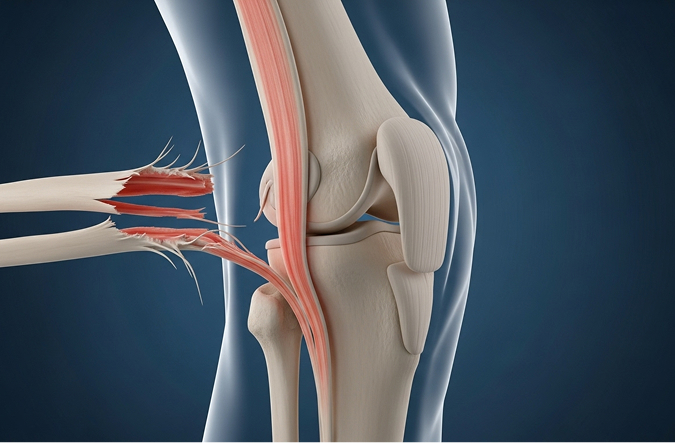
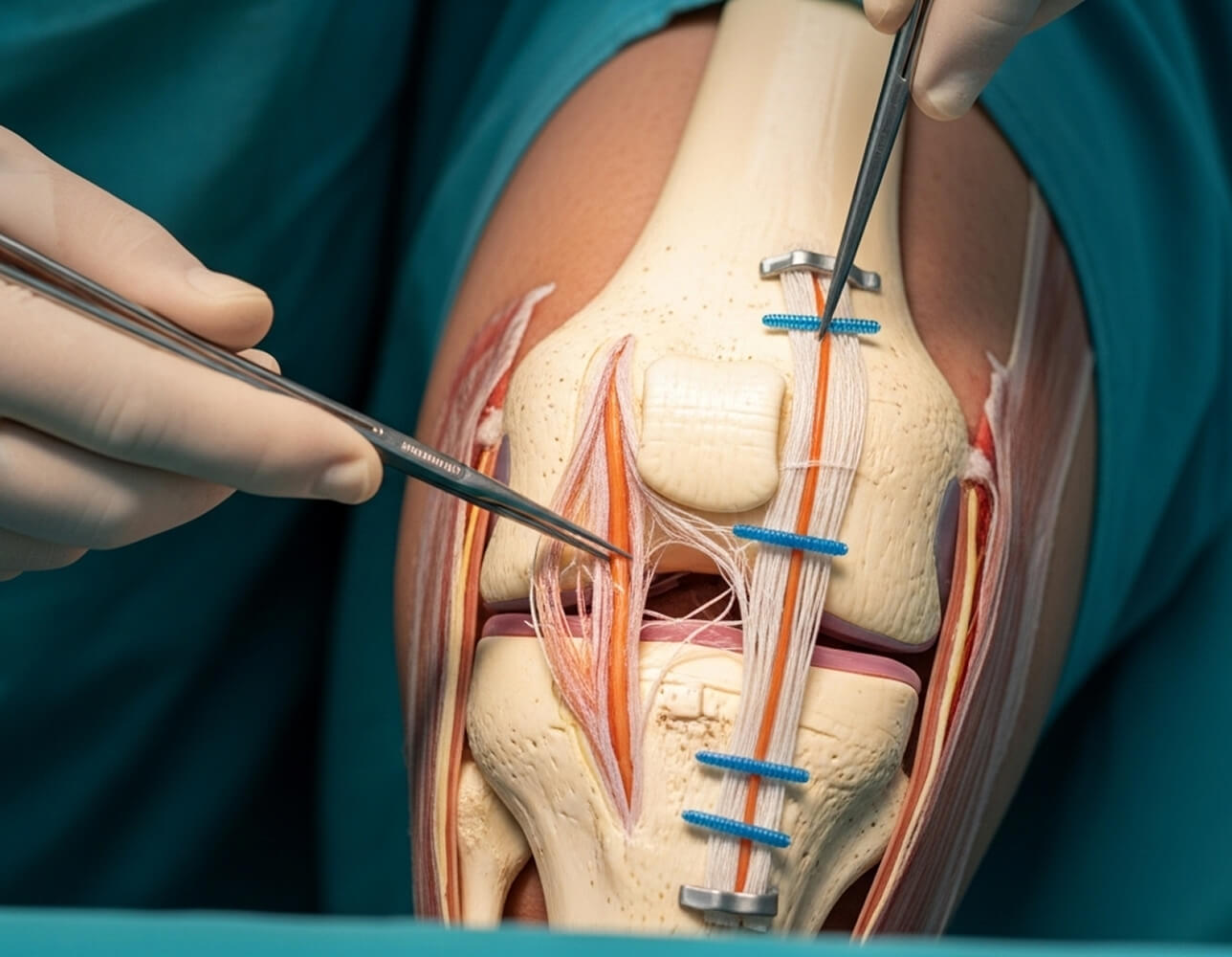
ACL reconstruction is an advanced keyhole surgery that rebuilds a torn anterior cruciate ligament (ACL) using a graft, typically your own hamstring tendon. This procedure restores crucial knee stability, allowing a safe return to sport and helping prevent further knee damage.

Restores Stability

Re-establishes knee stability essential for pivoting sports, work, and daily activities, preventing the knee from 'giving way'.

Minimally Invasive

Performed using modern arthroscopic (keyhole) techniques, usually allowing for same-day discharge or an overnight stay.

Return to Activity

Facilitates a safe, criteria-based return to sport and high-level activities, typically around 9-12 months post-surgery, while protecting long-term joint health.

Restoring Stability

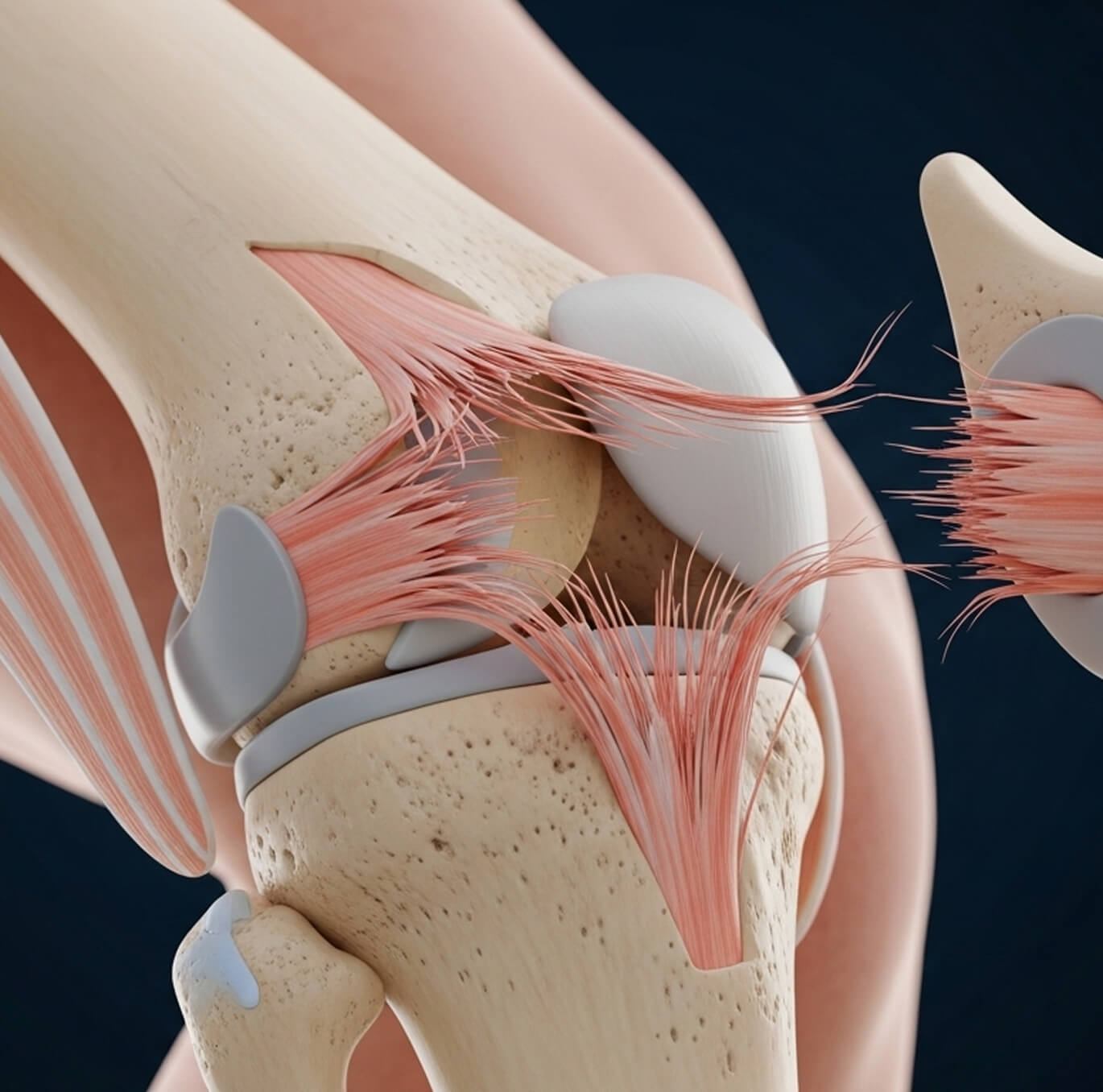
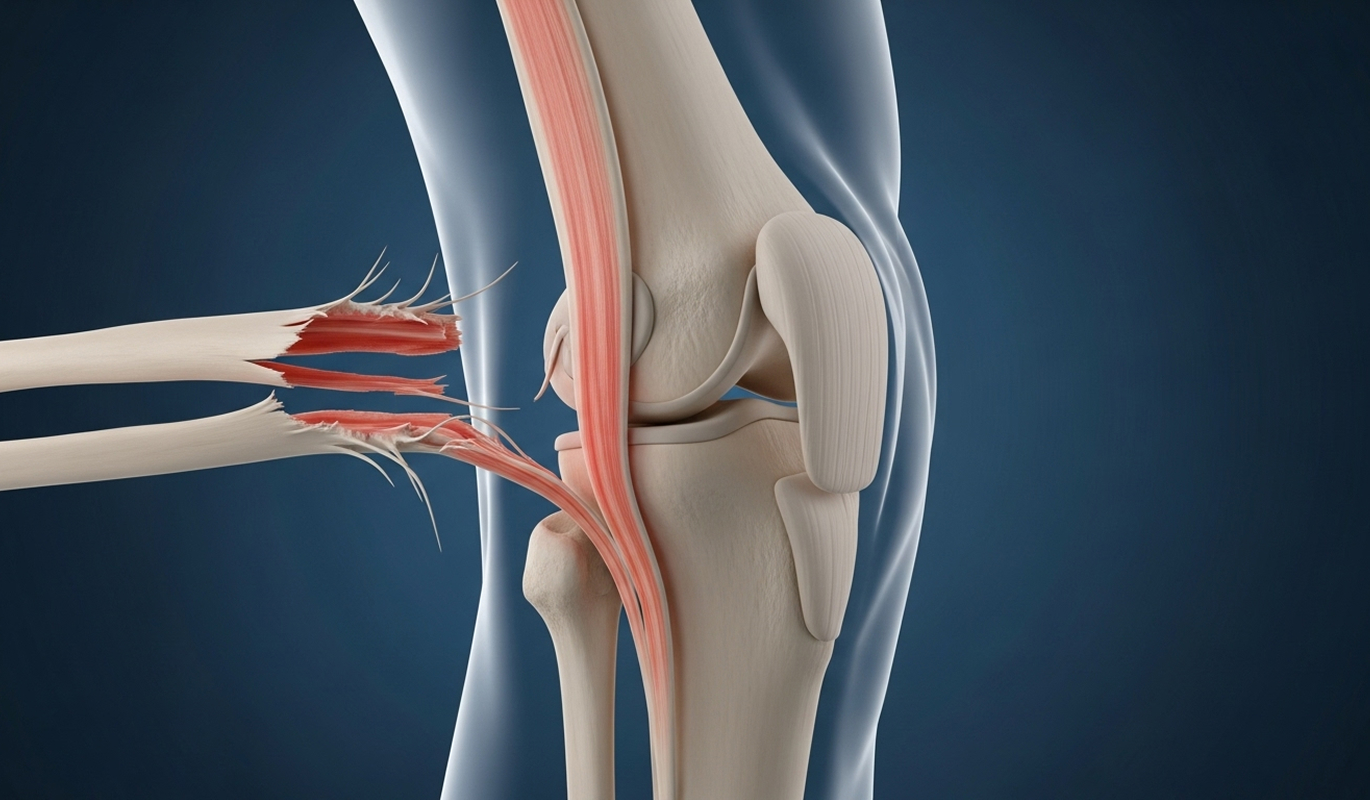
The ACL is vital for preventing excessive forward and rotational movement of the shinbone (tibia) relative to the thighbone (femur). This control is essential for sports involving cutting, pivoting, or sudden stops. A torn ACL leads to instability, where the knee can unexpectedly give way, increasing the risk of further damage to the meniscus or cartilage. Reconstruction aims to restore this crucial stability.

Minimally Invasive

Dr Allom performs ACL reconstruction using arthroscopic (keyhole) techniques. This involves small incisions around the knee, through which a camera and specialised instruments are inserted. Compared to older open surgery methods, this approach typically results in less post-operative pain, smaller scars, and a faster initial recovery period. Most patients can go home the same day or after one night in hospital.

Return to Activity

The primary goal for many patients undergoing ACL reconstruction is returning to sport or high-level activity. While outcomes vary, evidence shows that 80-90% of patients return to some level of sport, and 60-75% return to their pre-injury competitive level after surgery and comprehensive rehabilitation. Dr Allom follows strict, criteria-based guidelines to ensure a safe return to sport, typically around 9-12 months post-surgery.

Specialist Technique

Successful ACL reconstruction requires precise surgical technique. Dr Allom completed advanced fellowship training in sports knee surgery at prestigious UK institutions. He prefers using hamstring tendon autografts (your own tissue) for their strength and lower risk of donor site pain compared to other options, such as patellar tendon grafts, which can sometimes lead to anterior knee pain. The most critical step is creating bone tunnels in the exact anatomic footprint of the original ACL, ensuring the new graft functions correctly to restore both forward and rotational stability. This precision is key to long-term success.
Why Reconstruct the ACL?

The ACL plays a vital role in knee stability, particularly during dynamic activities. It also provides proprioceptive feedback (information about the knee's position) to your brain, aiding balance and coordination. When torn, the knee loses this stability and feedback, leading to episodes of "giving way".

Leaving an ACL tear untreated in an active individual carries risks:

Recurrent Instability

The knee may continue to give way during activity or even daily tasks.

Secondary Injury

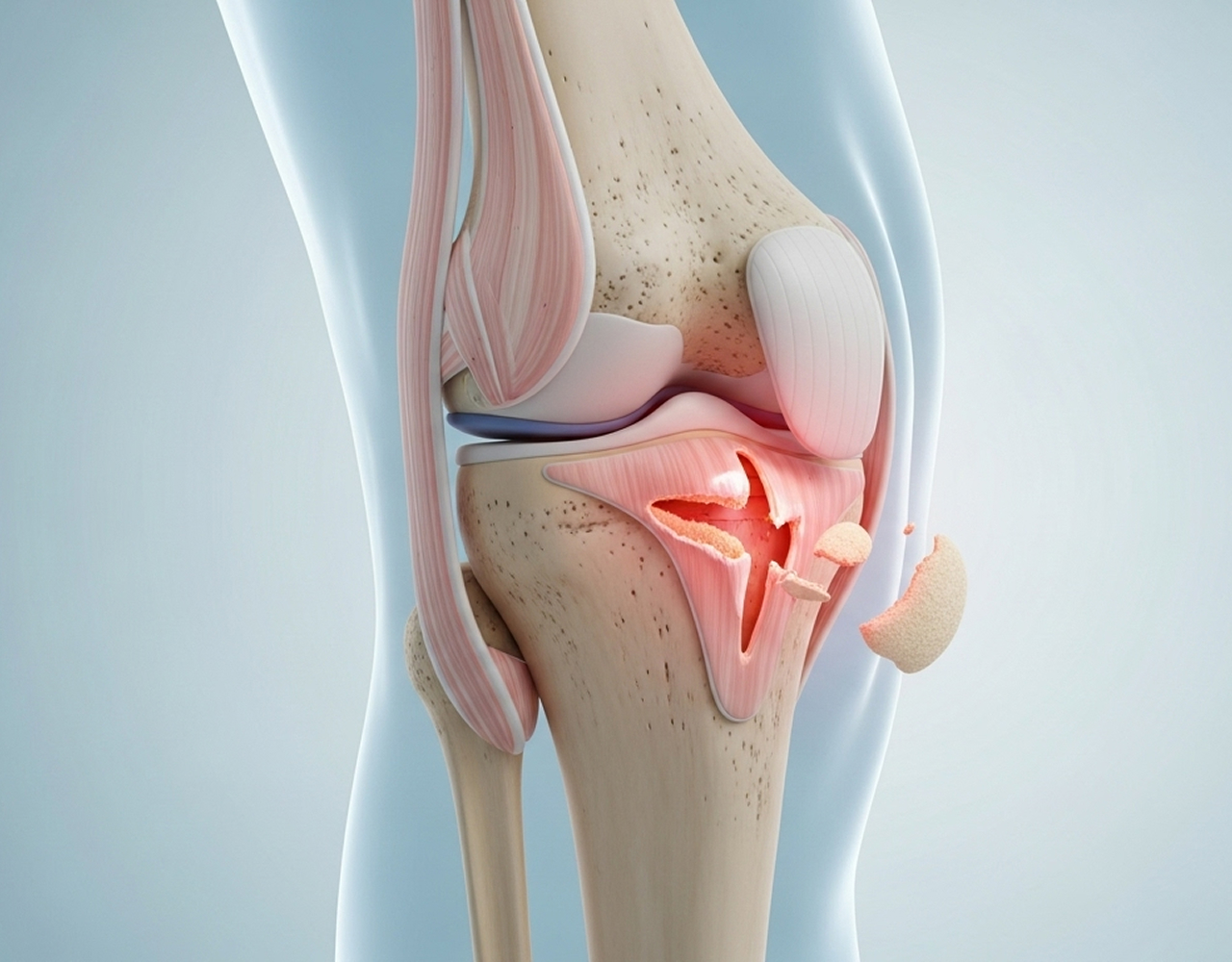
Each instability episode increases the risk of damaging other structures, particularly the menisci (cartilage cushions) and articular cartilage (smooth joint lining). Meniscal tears significantly increase the long-term risk of arthritis.

Early Osteoarthritis

Research shows that ACL-deficient knees, especially in younger, active people, have a higher risk of developing osteoarthritis prematurely compared to reconstructed knees.
Reconstructing the ACL aims to restore stability, allow a safe return to desired activities, and protect the knee from further damage, preserving long-term joint health. This aligns with Dr Allom’s joint preservation philosophy.

What to Expect at Your Consultation

Dr Allom will perform a thorough examination, review your imaging (please bring MRI scans/reports), discuss your activity goals, and explain all suitable treatment options.

As with any surgical procedure, reconstruction carries small risks which Dr Allom will discuss with you in detail during your consultation. This allows you to understand all risks and benefits and develop a personalised plan.

Who is a Good Candidate for ACL Reconstruction?

The decision for surgery depends on several factors, assessed during your consultation with Dr Allom.

ACL reconstruction is strongly recommended for:

  • Active individuals wishing to return to pivoting or cutting sports (e.g., football, netball, basketball, skiing).
  • Patients experiencing recurrent knee instability ("giving way") that affects daily activities, work, or confidence.
  • Younger patients, as reconstruction can help protect the menisci and cartilage, potentially reducing long-term arthritis risk.
  • ACL tears combined with repairable meniscal tears, as meniscal repairs heal better in a stable knee.
  • Individuals with high functional demands due to their occupation or lifestyle.

Dr Allom considers your age, pre-injury activity level, future goals, occupation, and degree of instability when discussing treatment options.
Conservative Management

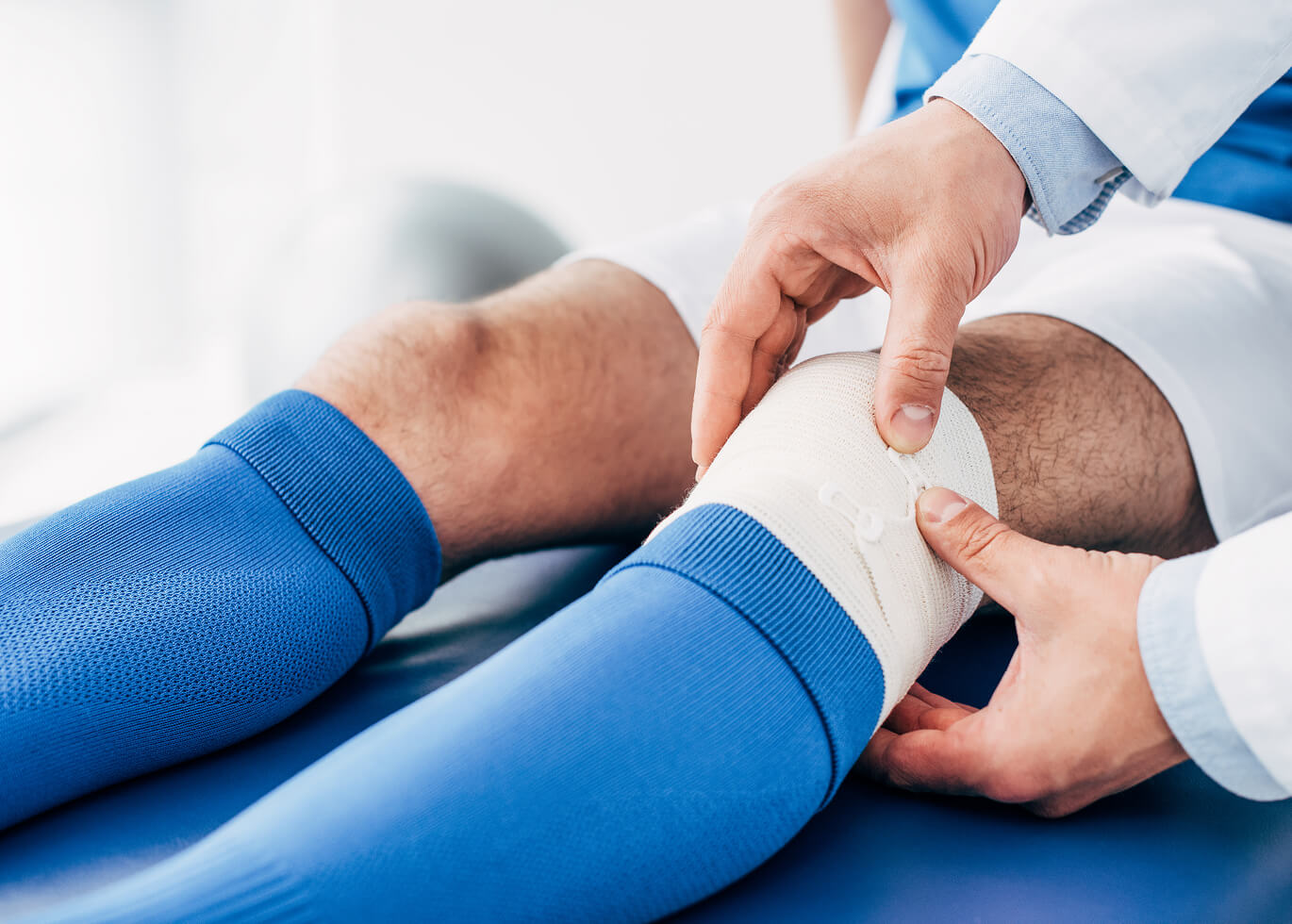
Non-surgical management may be considered for less active individuals, older patients with lower demands, or those with partial tears and minimal instability. This typically involves physiotherapy, bracing, and activity modification. However, it may not prevent instability during higher-demand activities and carries risks of secondary injury and earlier arthritis.

Diagnosis

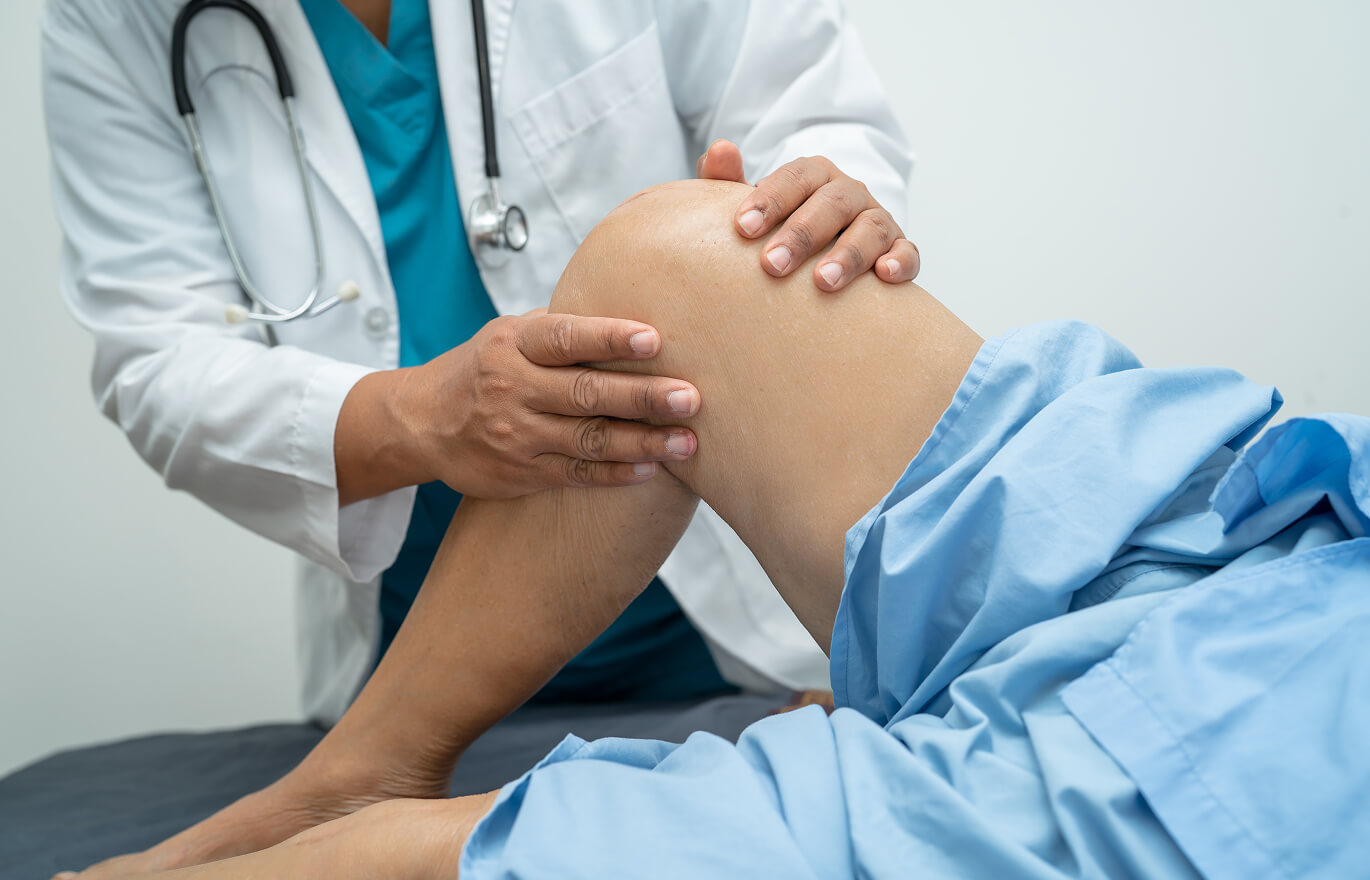
Diagnosis involves a thorough clinical examination, including specific tests like the Lachman and pivot shift tests, to assess stability. An MRI scan is the gold standard for confirming the ACL tear and identifying any associated injuries like meniscal tears or cartilage damage, which are present in some cases.

The Arthroscopic Reconstruction Procedure

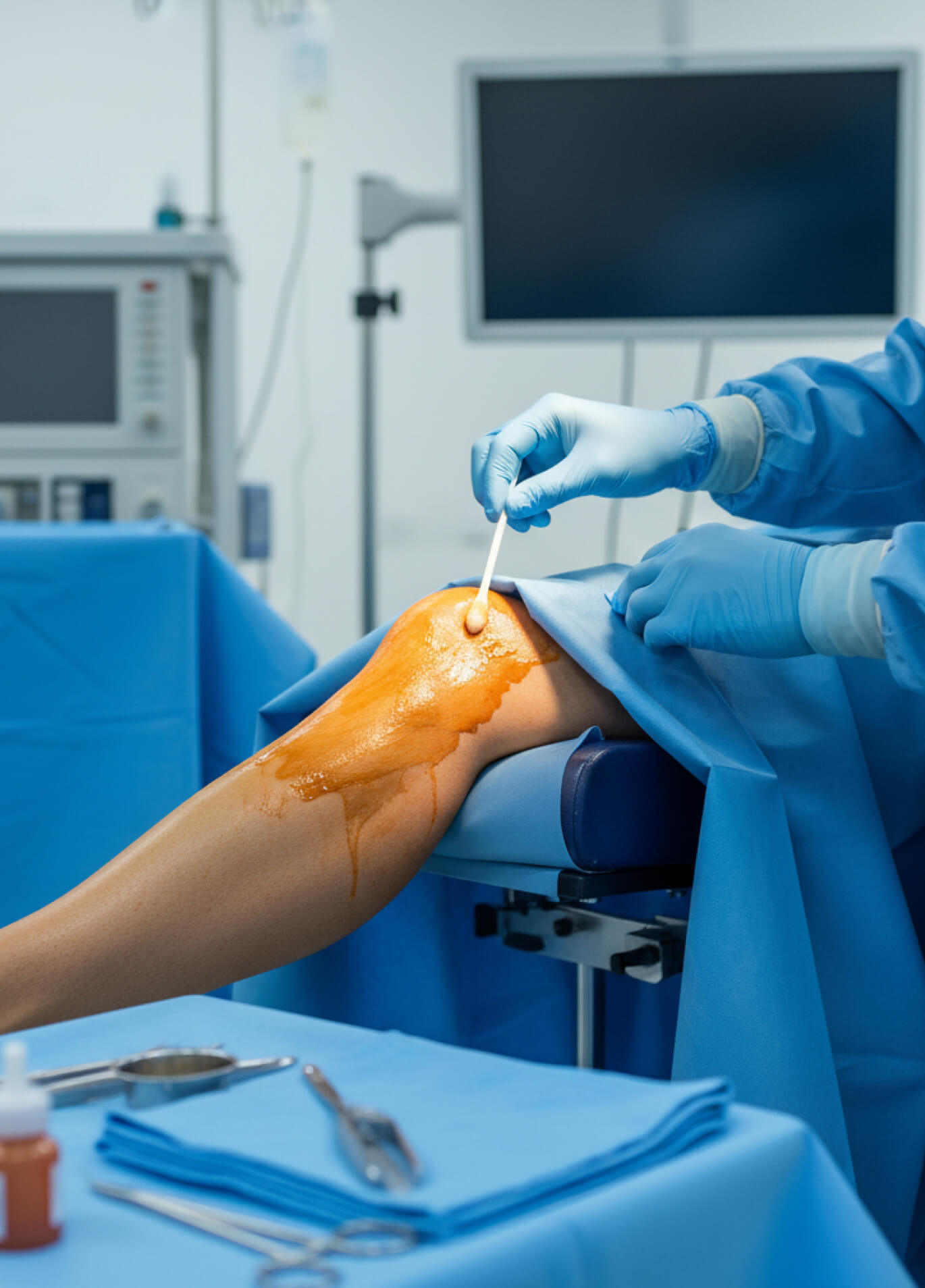
Dr Allom performs ACL reconstruction arthroscopically (keyhole surgery), usually as day surgery or with an overnight hospital stay.
1

Anaesthesia

You will receive a general anaesthetic, often combined with a nerve block to help manage pain after surgery.
2

Small Incisions

Two or three small incisions ("portals") are made around your knee.
3

Arthroscope Insertion

A small camera (arthroscope) is inserted, allowing Dr Allom to view the inside of your joint clearly on a monitor.
4

Assessment

The joint is thoroughly examined to confirm the ACL tear and assess for any other damage, such as meniscal tears or cartilage injuries. Associated injuries are addressed at the same time (e.g., meniscal repair).
5

Graft Harvest and Preparation

If using an autograft (your own tissue), the chosen graft (typically hamstring tendons) is harvested through a small separate incision and prepared.
6

Anatomic Tunnel Creation

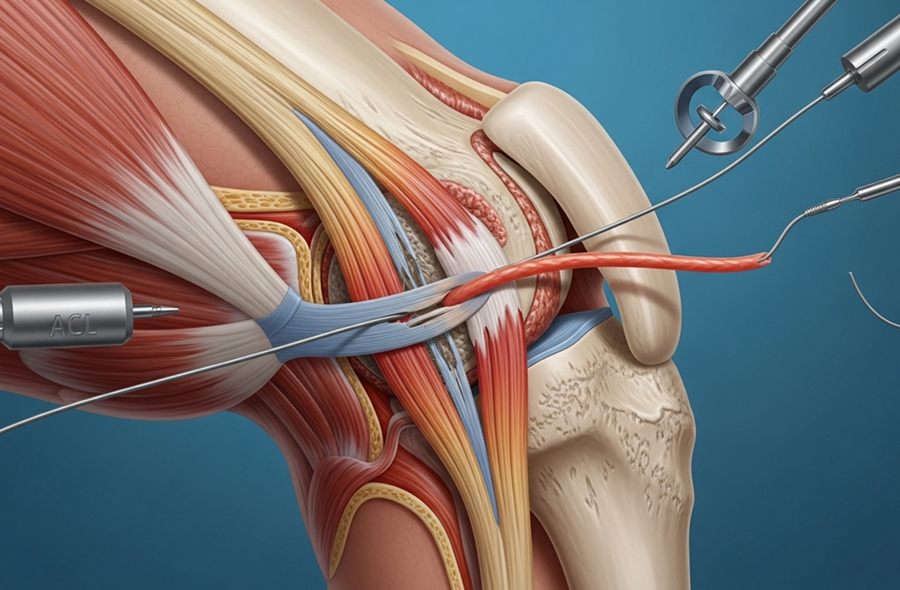
Using specialised guides, small tunnels are precisely drilled into the tibia (shinbone) and femur (thighbone) at the exact locations where the original ACL attached (the anatomic footprint). Correct tunnel placement is crucial for restoring natural knee stability.
7

Graft Passage and Fixation

The prepared graft is passed through the bone tunnels across the knee joint. It is then securely fixed in place under appropriate tension using devices like cortical buttons or interference screws.
8

Final Assessment

Dr Allom checks the graft's tension and the knee's stability through its full range of motion before completing the procedure.
9

Closure

The instruments are removed, and the small incisions are closed with sutures or skin glue and dressings applied.

Recovery After ACL Reconstruction

Successful recovery depends heavily on your commitment to a structured rehabilitation programme guided by your physiotherapist. Dr Allom provides detailed post-operative protocols to ensure evidence-based progression.

Phase 1

Weeks 0-2
Protection and Early Mobilisation
Focus is on controlling pain and swelling, regaining full knee extension (straightening), activating thigh muscles, and protecting the graft. You'll likely use crutches initially but progress to full weight-bearing quickly.

Phase 2

Weeks 2-6
Motion and Early Strength
Goals include achieving full range of motion, improving balance, normalising walking pattern, and starting gentle strengthening exercises like stationary cycling and mini-squats.

Phase 3

Weeks 6-12
Strength and Neuromuscular Control
Emphasis shifts to building strength (especially quadriceps and hamstrings), improving single-leg stability, and potentially starting light jogging if cleared. Strength needs to reach >70% of the uninjured leg before progressing.

Phase 4

Months 3-6
Advanced Strengthening and Running
Focus on heavier strength training, progressing running, and starting change-of-direction and landing drills. Strength symmetry goal is >80%.

Phase 5

Months 6-9
Return to Sport Preparation
Involves achieving >90% strength symmetry, mastering sport-specific skills, passing functional tests (like hop tests), and building match fitness.

Phase 6

Months 9-12+
Return to Sport
Requires meeting strict physical, functional, and psychological criteria, followed by a graduated return to training and competition. Returning before 9 months significantly increases re-injury risk.
Rehabilitation requires patience and persistence. Dr Allom and your physiotherapist will monitor your progress closely, adjusting the programme based on your individual recovery.

Frequently Asked Questions

Most athletes return to unrestricted sport between 9 and 12 months after surgery, once they meet all strength, functional, and psychological criteria. Returning earlier increases re-injury risk.

Yes, after a detailed discussion. Dr Allom typically recommends hamstring autograft due to its strength and lower donor site pain, but will consider other options (like patellar tendon) based on your specific situation and preferences.

This is common for many cases. Dr Allom prioritises repairing the meniscus whenever possible, which requires a stable knee provided by the ACL reconstruction. Meniscal repair may slightly extend your initial protected weight-bearing period.

Most patients (85-90%) achieve excellent function and high satisfaction, returning to demanding activities. However, the knee may feel subtly different. The goal is stable, pain-free function for your desired activities.

For active individuals, non-operative management often leads to ongoing instability, increased risk of further knee damage (meniscus, cartilage), and potentially earlier arthritis. It usually prevents a safe return to pivoting sports.

Yes. Age isn't the main factor. Activity level, goals, instability symptoms, and overall health are more important. Dr Allom treats many active patients in their 40s and 50s who wish to maintain demanding lifestyles.

Next Steps

If you have sustained an ACL injury or are experiencing knee instability, a specialist assessment with Dr Allom can determine the best treatment path for your goals.

What to Bring: Please bring your referral letter, all relevant imaging studies (X-rays, CT scans, MRI if performed), and your list of current medications to your consultation.
Convenient Locations in Two Regions

I consult and operate from five locations, providing local access to subspecialist expertise without the need for long-distance travel.

South West Sydney Locations

Phone Number

04 3818 3832

Gledswood Hills

The George Centre, Suite 12, 1A The Hermitage Way

Campbelltown

Centric Park, Level 3, 4 Hyde Parade

Liverpool

Sydney South West Private Hospital, Suite 3.02, 24-40 Bigge Street

Mid North Coast Locations

Phone Number

02 6551 0722

Taree

Mayo Private Hospital Specialist Suites, 2 Potoroo Drive

Forster

Dolphin Suites Consulting Rooms, 33 Breckenridge Street

Related Information

ACL Injury
That pop you felt in your knee during the game. The rapid swelling.
Meniscal Tears
A meniscal tear is one of the most common knee injuries and can happen to anyone.
Revision ACL Reconstruction
ACL reconstruction is an advanced keyhole surgery that rebuilds a torn anterior cruciate ligament (ACL) using a graft.
Joint Preservation Surgery
Discover more about the philosophy and techniques aimed at preserving your natural knee joint.
ACL Injury Prevention
That pop you felt in your knee during the game. The rapid swelling.

Book Your Consultation

©2026 Dr Richard Allom. All rights reserved.

Oxford Knee Score Questionnaire

Please answer the following 12 questions about your knee, considering your symptoms over the past 4 weeks. Select one answer for each question.